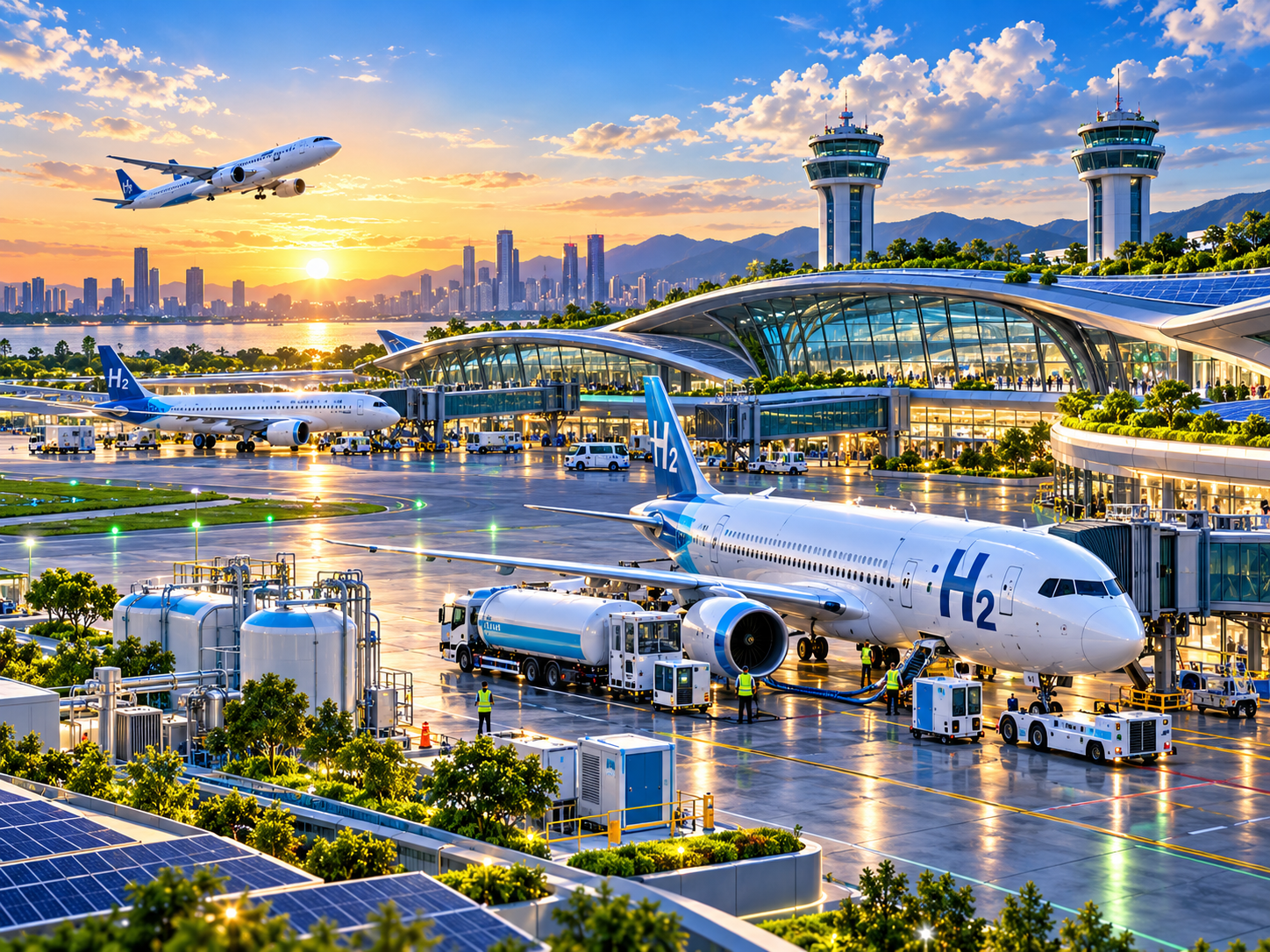
電動與氫能飛行Electric & Hydrogen Flight
以創新能源推動更潔淨、更安靜、更永續的航空未來Innovative energy solutions for a cleaner, quieter, and more sustainable aviation future.
電動飛行:航空動力的新革命Electric Flight: A New Era in Aviation Propulsion
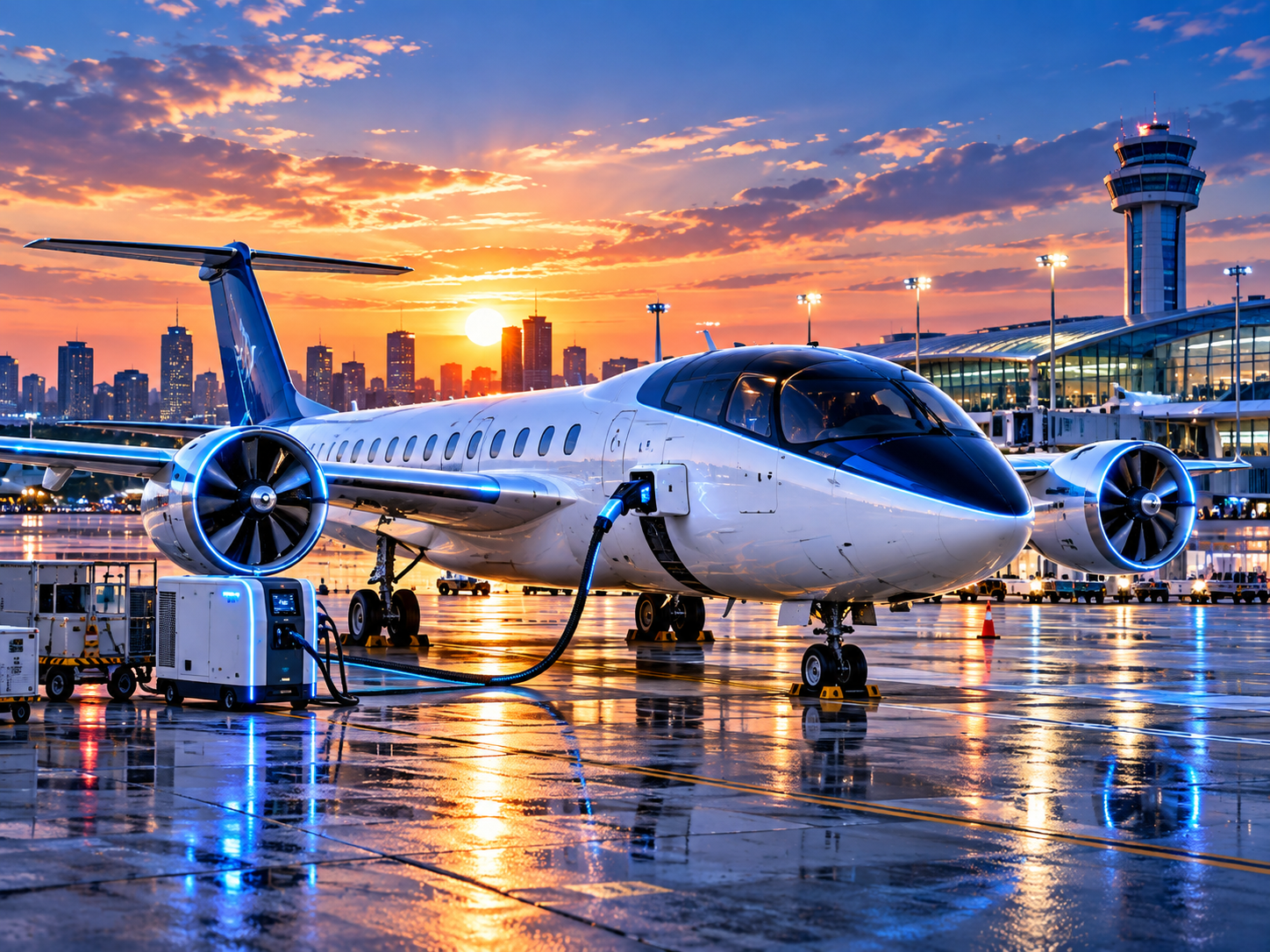
隨著全球航空產業積極推動低碳轉型,電動飛行正成為新世代航空科技的重要發展方向。電動飛機利用電池、電動馬達及電力控制系統驅動螺旋槳或風扇,將電能轉化為推進力量。電動推進系統具有能源轉換效率高、機械結構相對簡化、運轉噪音較低等優勢,飛行時也不會產生燃料燃燒所造成的直接二氧化碳排放。目前相關技術主要應用於小型飛機、飛行訓練機及短程航空器的研究與示範。未來若能進一步提升電池性能與充電效率,電動飛行有望為區域交通帶來更安靜、更潔淨的航空運輸模式。
Electric flight is becoming a key development in next-generation aviation. Electric aircraft use batteries, electric motors, and power control systems to drive propellers or fans, converting electrical energy into thrust. Electric propulsion offers high energy efficiency, simpler mechanical structures, and lower noise levels, with no direct CO₂ emissions from fuel combustion during flight. Current applications focus on small aircraft, flight training, and research and demonstration programs for short-range operations. With further improvements in battery performance and charging efficiency, electric flight has the potential to create quieter, cleaner, and more sustainable regional air travel.
氫能航空:探索零碳排放的潛力Hydrogen-Powered Aviation: Exploring Zero-Carbon Potential
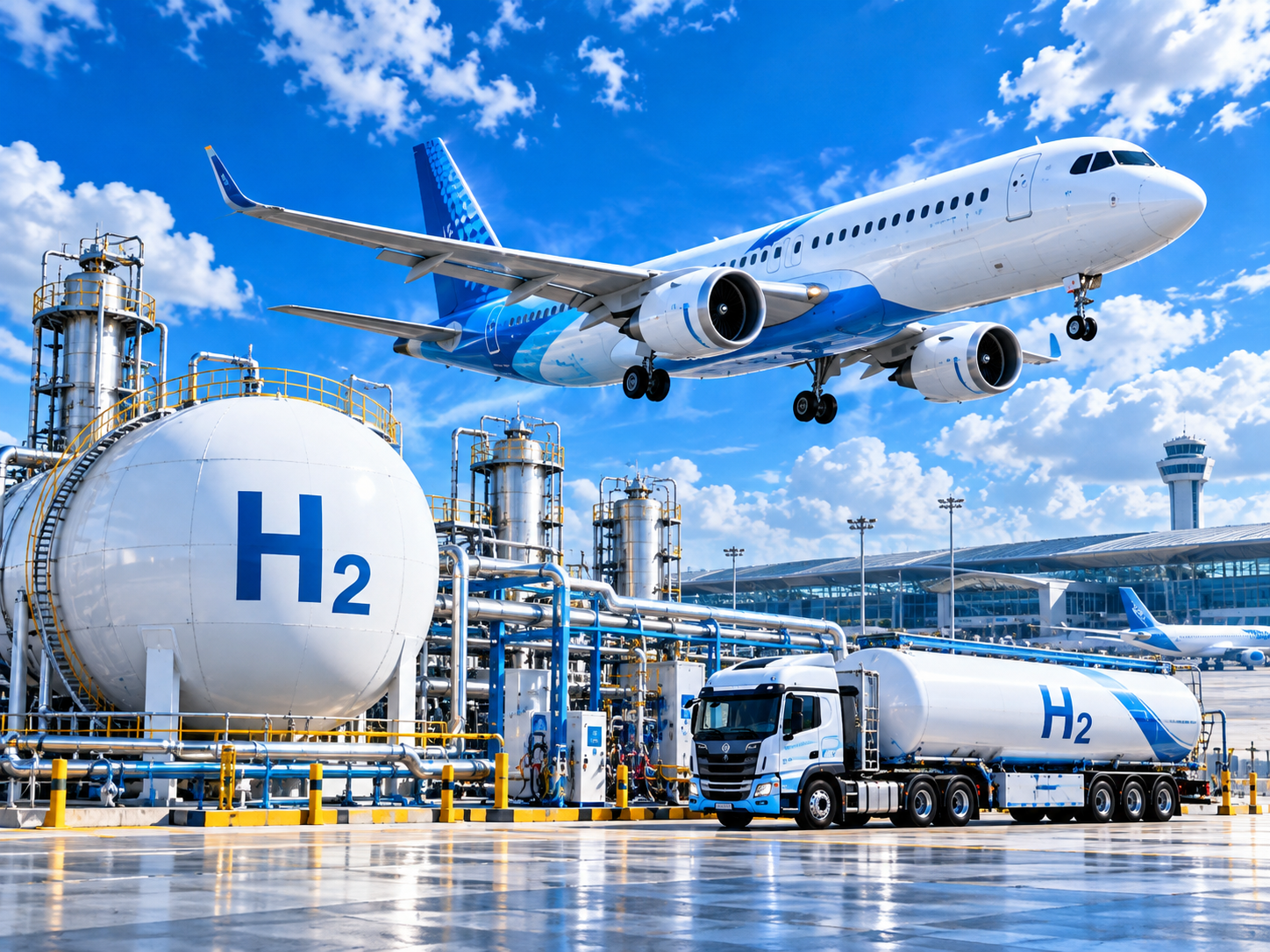
氫能是未來航空能源的重要選項之一,主要可透過氫燃料電池與氫燃燒發動機兩種方式提供動力。氫燃料電池利用氫氣與氧氣進行電化學反應,產生電力驅動馬達,其運作過程主要排出水,不會直接產生二氧化碳。另一種方式則是將氫氣作為燃料,在經過改良的燃氣渦輪發動機中燃燒,以產生飛機所需的推力。氫燃燒雖然不直接產生來自燃料的二氧化碳,仍可能產生氮氧化物,並受到高空水氣與凝結尾跡等氣候效應影響。氫能是否真正具有低碳優勢,也取決於氫氣的製造方式。因此,低排放氫氣生產、能源儲存與機場供應設施的整合,將是氫能飛行走向實際應用的重要課題。大型氫能客機仍屬研發與未來概念,尚不能視為已投入常態商業服務。
Hydrogen is a promising future aviation energy option, using either fuel cells or hydrogen combustion engines. Fuel cells generate electricity through an electrochemical reaction between hydrogen and oxygen, producing water while powering electric motors. Hydrogen can also be burned in modified gas turbines to produce thrust. Although hydrogen combustion does not directly emit CO₂ from the fuel, it may produce nitrogen oxides, and its overall climate impact also depends on high-altitude water vapor and contrails. Environmental benefits depend on how the hydrogen is produced. Low-emission hydrogen production, storage, distribution, and airport refueling infrastructure are therefore essential for practical hydrogen flight. Large hydrogen-powered passenger aircraft remain research programs and future concepts rather than aircraft in routine commercial service.
能源儲存與飛行安全的技術挑戰Energy Storage and Flight Safety Challenges
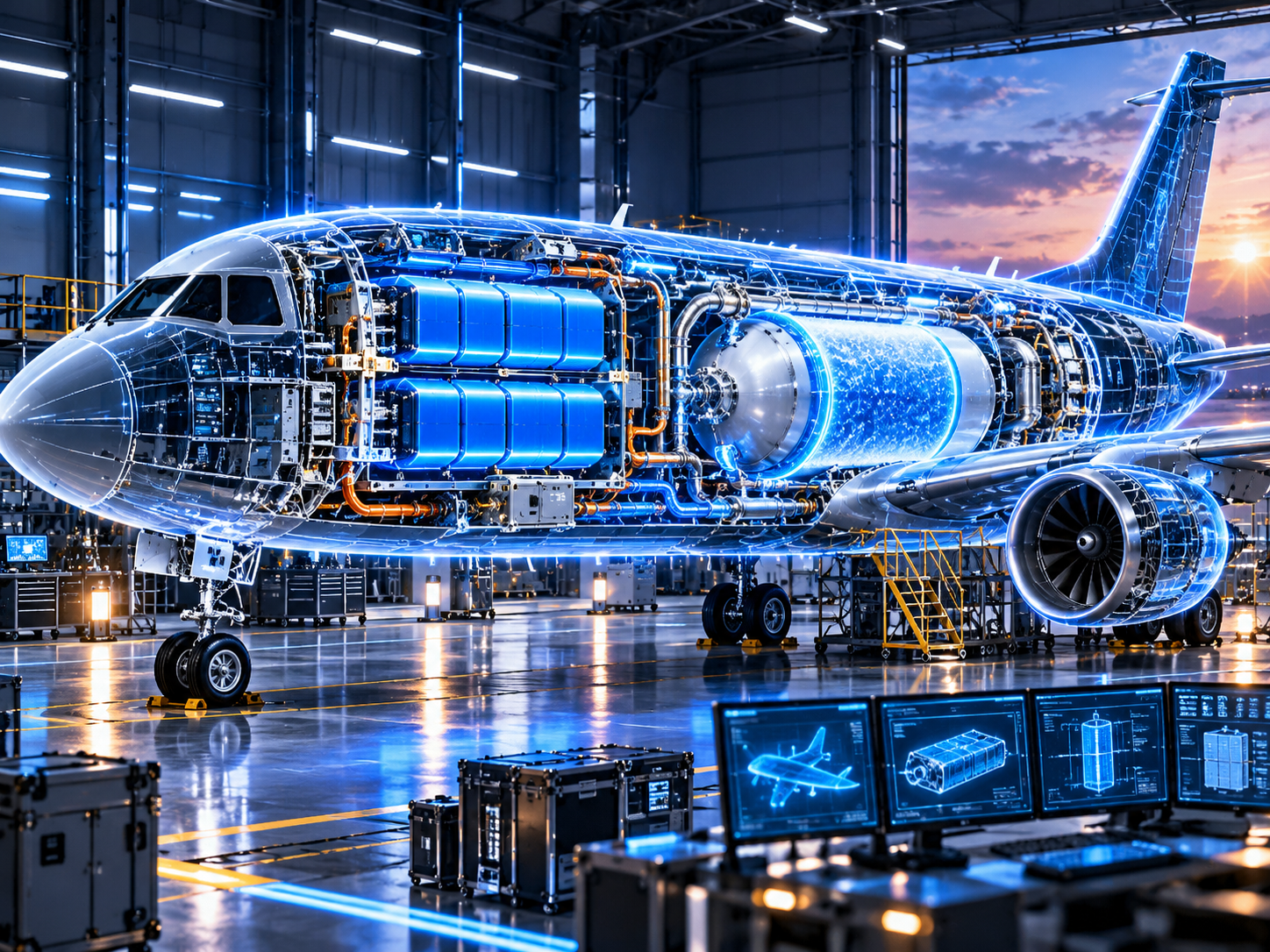
電動與氫能飛行具有廣大發展潛力,但要進入大規模商業航空市場,仍須克服多項工程挑戰。電動飛機最大的限制在於電池的能量密度,目前電池相較傳統航空燃油仍相當沉重,容易影響飛機載重與航程。此外,電池散熱、充電速度及熱失控防護,也是飛航安全的重要課題。氫能飛機則面臨低溫液態氫儲存、燃料槽體積、管線密封及地面補給設施等技術要求。由於液態氫需要在極低溫環境下儲存,飛機結構與燃料系統必須重新設計,並建立完善的安全驗證機制。只有在能源技術、航空工程與適航驗證同步成熟後,新型動力飛機才能逐步邁入實際營運。
Although electric and hydrogen flight offer great potential, several technical challenges must be overcome before large-scale commercial use. Electric aircraft face limitations in battery energy density, which affects payload and range, as well as challenges in thermal management, charging speed, and safety against thermal runaway. Liquid hydrogen requires cryogenic storage, larger fuel tanks, secure piping systems, and refueling infrastructure. Aircraft structures and fuel systems must be designed and validated for these requirements, with robust monitoring, containment, and emergency provisions. New propulsion systems can enter commercial operation only after the necessary energy technologies, engineering validation, and airworthiness certification have matured.
未來智慧航空與綠色運輸願景Future Smart Aviation and a Green Transportation Vision
未來航空運輸不會只有單一能源技術,而將依照航程、載客量及營運需求,發展不同的動力解決方案。短程飛行可能優先採用電動或混合電力系統,區域航空則可探索氫燃料電池與其他低碳推進技術;大型長程客機的能源轉型,仍需要更多技術突破。隨著高性能電池、輕量化材料、智慧能源管理與氫能基礎設施持續發展,新世代飛機有望提高能源效率並降低環境負擔。機場也必須逐步建立充電、氫氣供應與安全管理系統,形成完整的綠色航空生態系。電動與氫能飛行代表的不只是發動機改變,更是航空產業從能源供應、飛機設計到運輸模式的一場全面革新。本文圖片為未來航空概念示意,不代表已認證或已商用的特定機型。
The future of aviation will not rely on a single energy technology. Different solutions will be developed depending on range, passenger capacity, and operational needs. Short-range flights may use fully electric or hybrid systems, while regional aviation can explore hydrogen fuel cells and other low-carbon technologies. Long-haul aircraft require further breakthroughs. Advances in batteries, lightweight materials, smart energy management, renewable energy, and hydrogen infrastructure may enable more efficient aircraft with lower environmental impact. Airports must also establish charging and hydrogen supply systems, supported by safe operations and sustainable supply chains. Electric and hydrogen flight represent a transformation of aviation, from energy supply and aircraft design to transportation models. The illustrations on this page depict future aviation concepts, not specific certified aircraft or aircraft already in commercial service.