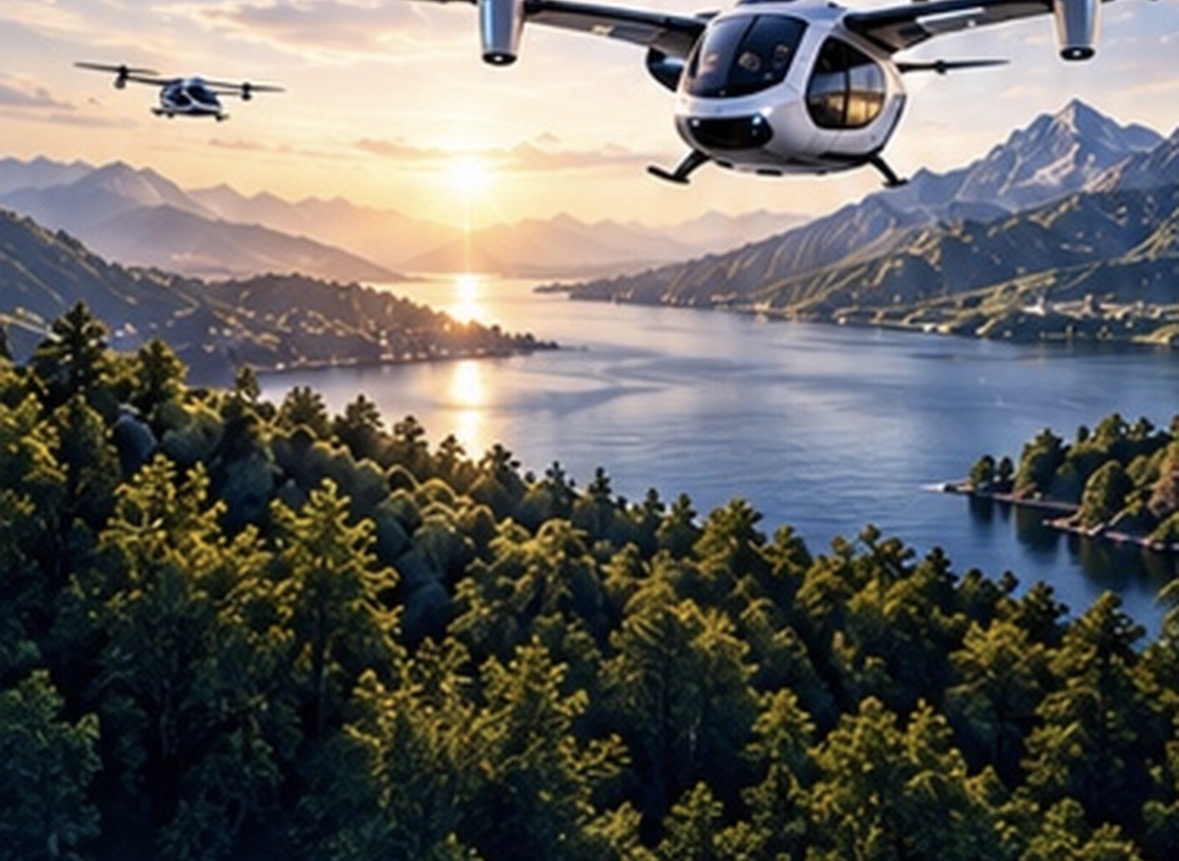
次世代空中運輸Next-Generation Air Mobility
創新天空的可能,連結更美好的未來Innovating the Skies for a Better Tomorrow
空中交通的新時代A New Era of Air Transportation
隨著全球都市化加速、交通需求增加,以及航空科技持續突破,人類正迎來全新的空中運輸時代。次世代空中運輸結合電動推進、智慧導航、人工智慧與自動化飛行技術,重新定義人員與貨物的移動方式,並將航空與地面交通運輸整合,提升運輸效率,讓空中移動逐漸融入人類日常生活。
With rapid urbanization, growing transportation demand, and continuous advances in aviation technology, we are entering a new era of air transportation. Next-generation air mobility integrates electric propulsion, smart navigation, AI, and autonomous flight, redefining how people and goods move. From urban air taxis and regional routes to unmanned cargo and emergency services, new aircraft can overcome ground transportation limits and make air travel an integral part of everyday life.
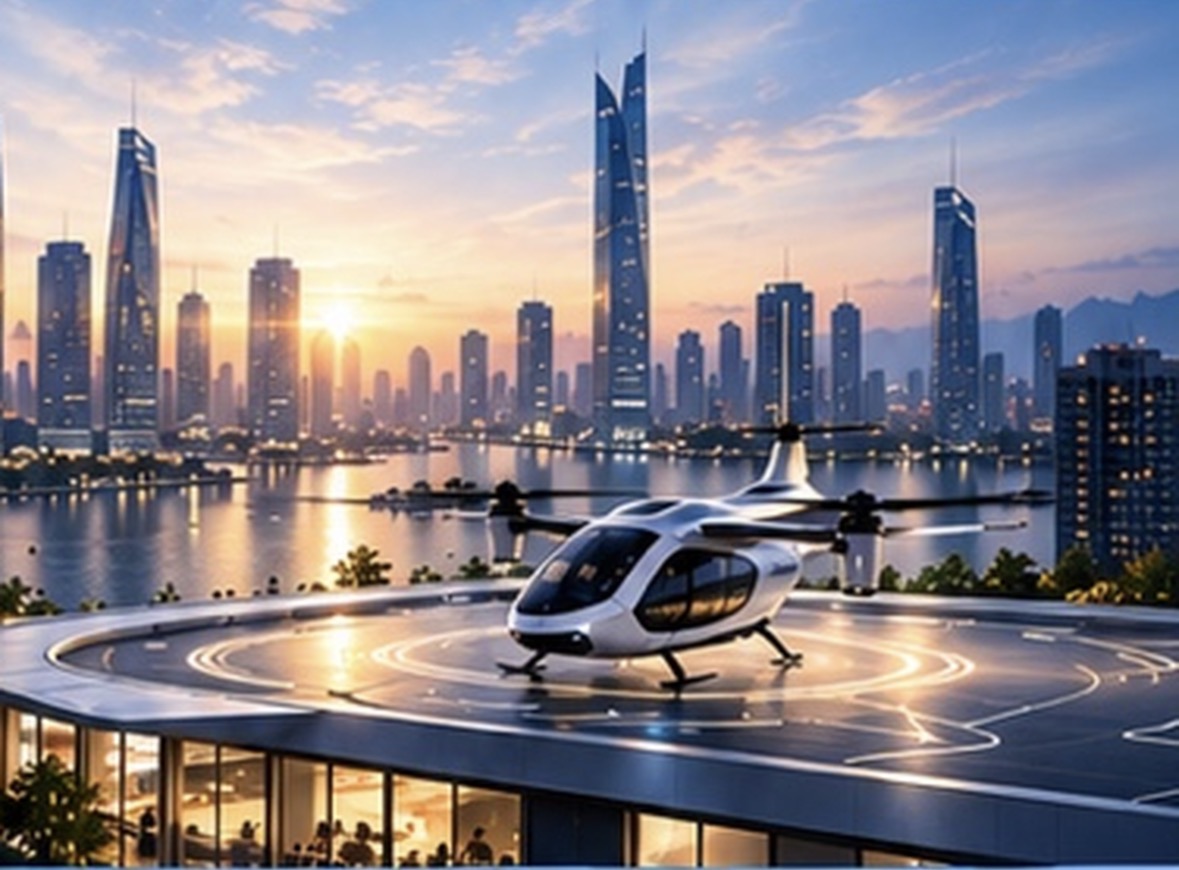
電動垂直起降與智慧飛行eVTOL and Intelligent Flight
電動垂直起降航空器(eVTOL)結合直升機的垂直起降靈活性與固定翼飛機的飛行效率,無需傳統長跑道即可執行短程載客服務。透過分散式電力推進、輕量化複合材料、先進電池及數位飛行控制系統,eVTOL 有機會降低噪音與飛行時的直接排放,提升飛行管理的精準度。另一方面,人工智慧輔助導航、自動避障與即時氣象分析,也將讓飛行更安全、更智慧,然而電池續航力、惡劣天候適應性及系統可靠度,仍是技術成熟與商業化的重要課題。
eVTOL aircraft combine the vertical takeoff and landing capability of helicopters with the flight efficiency of fixed-wing aircraft, enabling short-range passenger services without traditional runways. Through electric propulsion, lightweight materials, advanced batteries, and digital flight control systems, eVTOLs can reduce noise and direct emissions while improving flight precision and operational intelligence. However, battery endurance, weather adaptability, safety certification, and system reliability remain key challenges for commercialization.
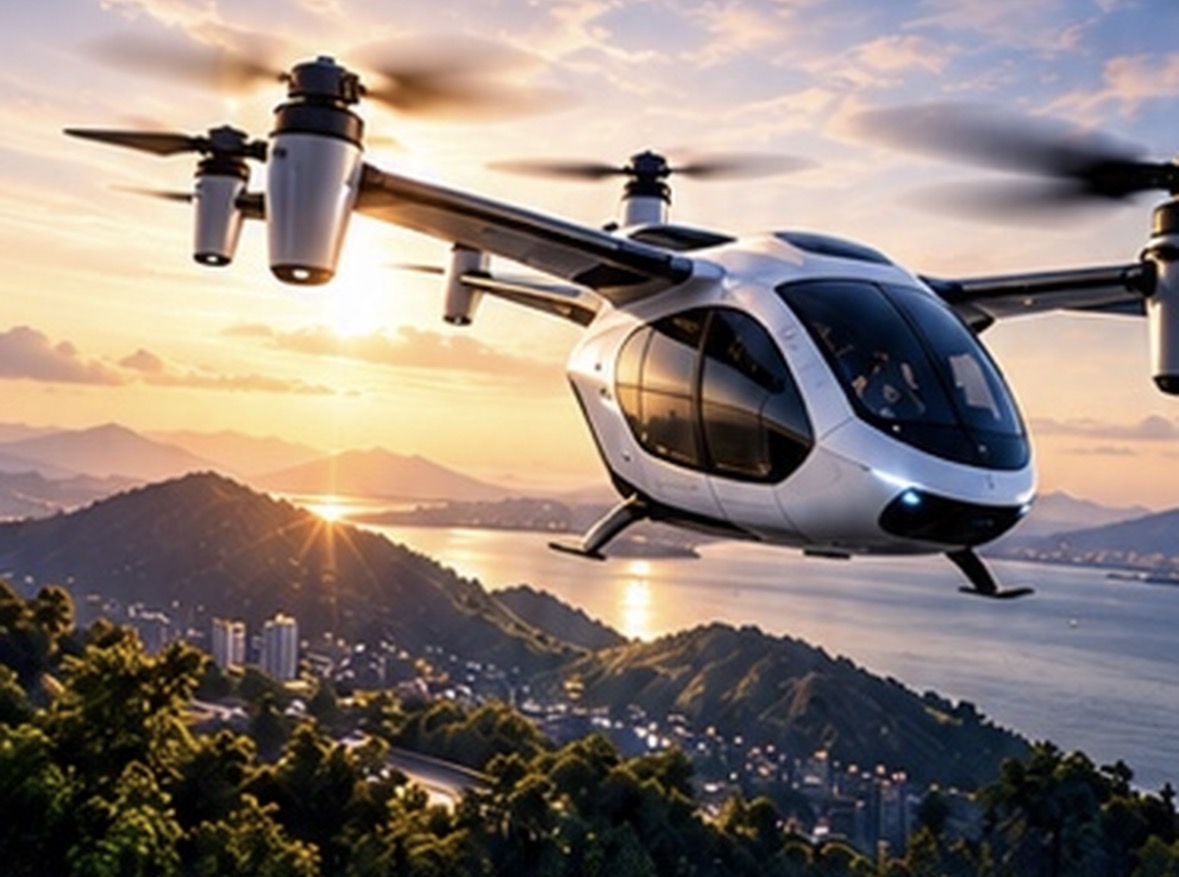
城市空中交通與多元應用Urban Air Mobility and Applications
未來的城市交通將朝向陸、海、空整合的立體運輸網絡發展。城市空中運輸(UAM)可透過專用起降場與智慧調度平台,連接機場、商業中心、觀光地區及周邊城市,提供更具彈性的交通選擇。在離島、偏遠山區及交通不便地區,新型航空器也可能協助醫療後送、緊急物資配送與災害救援。無人貨運航空器則有機會改善部分物流作業效率。要讓這些應用真正普及,必須建立完善的基礎設施、低空空域管理、通訊系統及地面運輸銜接機制。
Future urban transportation will evolve into an integrated land-sea-air network. Urban Air Mobility (UAM) can connect airports, business districts, tourism areas, and surrounding cities through dedicated vertiports and smart scheduling platforms. In remote islands and mountainous regions, new aircraft can support medical transport, emergency supply delivery, and disaster relief. Unmanned cargo aircraft also have the potential to improve logistics efficiency. To make these applications truly widespread, we need supporting infrastructure, low-altitude airspace management, communication systems, and seamless connections with ground transportation.
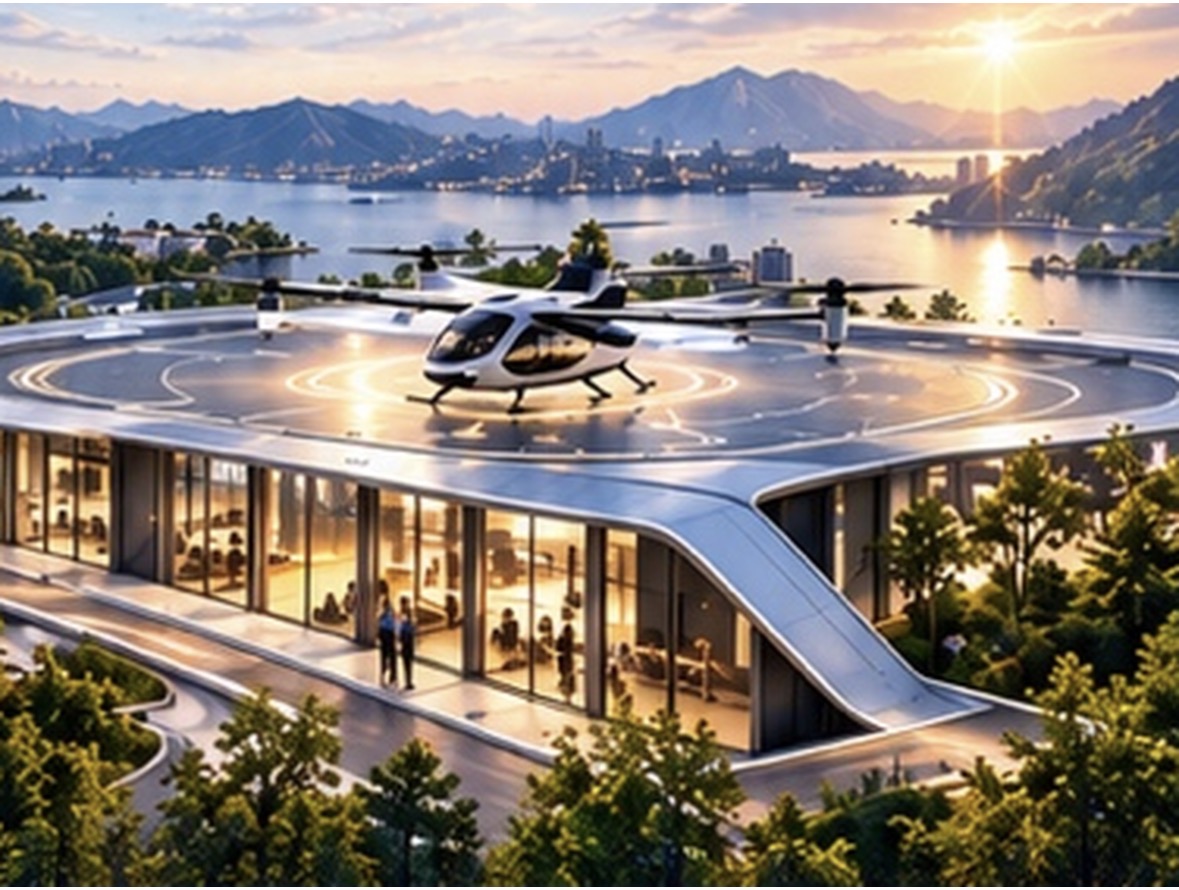
打造永續、安全的未來天空Building a Sustainable and Safe Sky
次世代空中運輸不只是製造更先進的飛行器,更是重新建構未來航空生態系統。各國航空主管機關、研究機構與企業正積極推動新型航空器認證、低空空域管理及基礎設施規劃。未來,隨著電池技術、潔淨能源、自動化系統及數位通訊不斷進步,空中交通有望朝向更安靜、更高效率及更具環境永續性的方向發展。真正成功的次世代空中運輸,必須兼顧安全、成本、便利性與社會接受度,讓科技創新為人類開啟更加自由、便捷且永續的移動未來。
Next-generation air mobility is more than advanced aircraft—it is a transformation of the entire aviation ecosystem. Governments, research institutions, and industry are advancing aircraft certification, low-altitude airspace management, and infrastructure planning. With progress in battery technology, clean energy, automation, and digital communication, air transportation can become quieter, more efficient, and more sustainable. The success of next-generation air mobility depends on balancing safety, cost, convenience, and public acceptance, allowing technological innovation to open a freer, more convenient, and more sustainable future for humanity.