航空零組件回收與再利用Aircraft Component Recycling and Reuse
讓每一個零件的價值,在循環中延續Extending the Value of Every Component Through Circular Innovation
退役飛機的隱藏價值:從廢棄到資源The Hidden Value of Retired Aircraft: From Waste to Resources
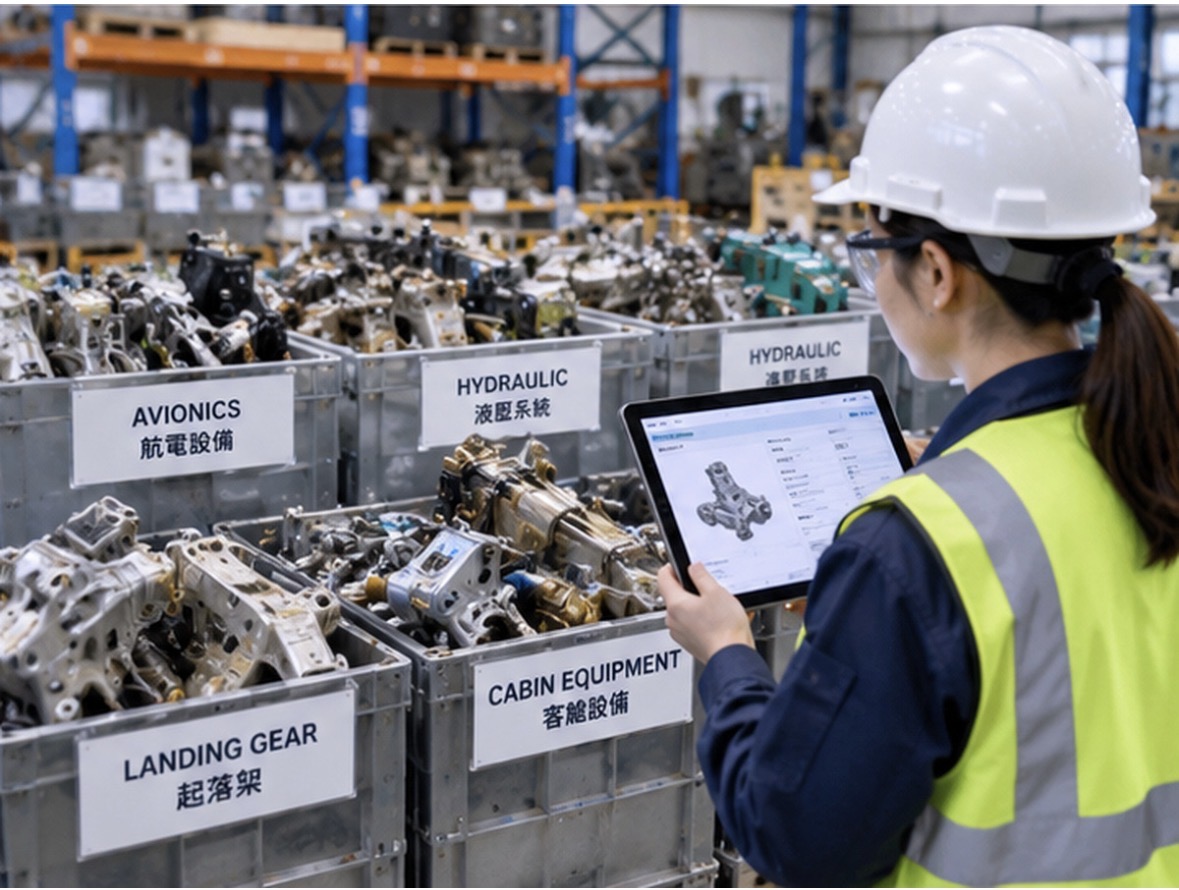
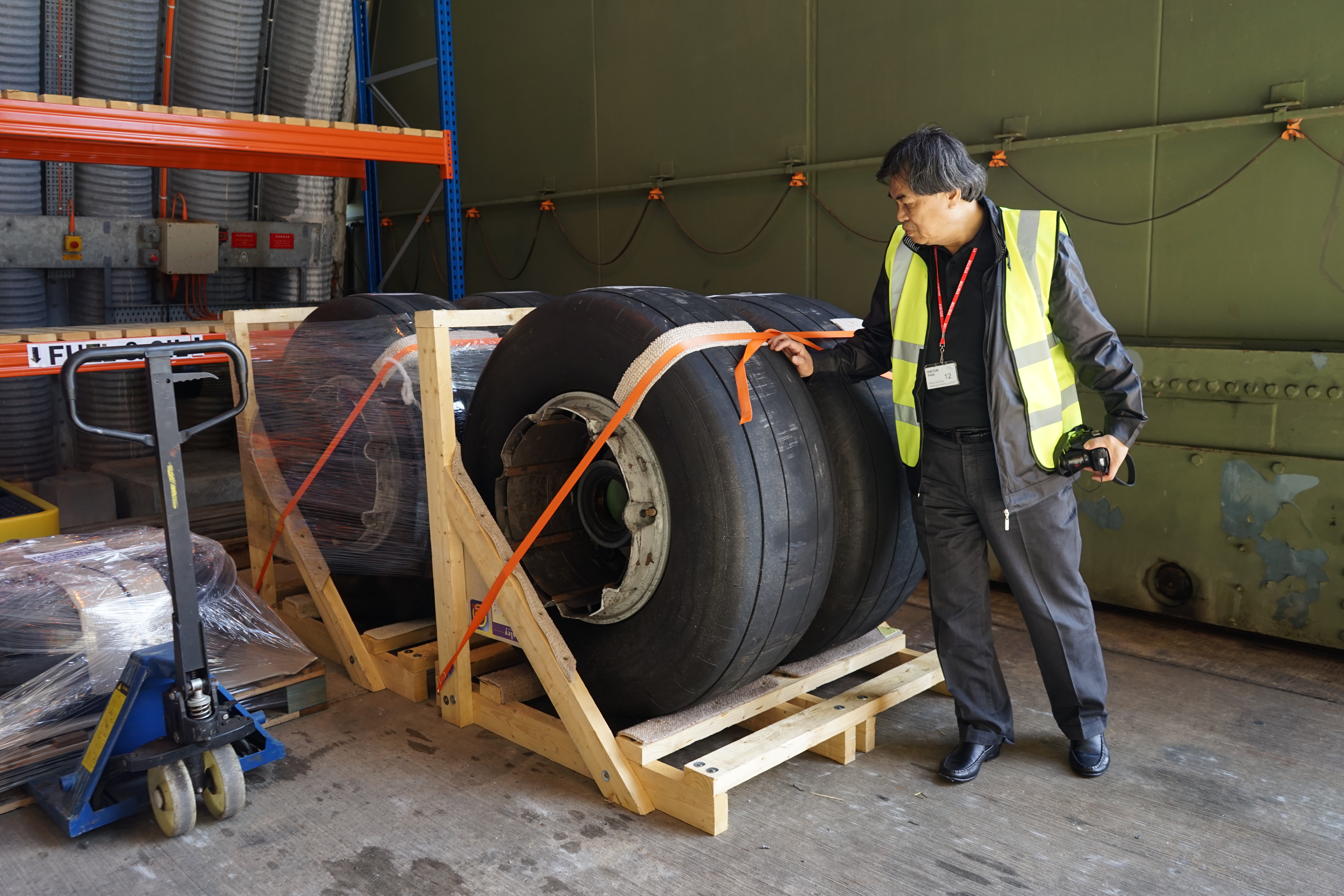
當一架民航客機結束數十年的飛行任務,並不代表它的所有零組件都失去價值。一架大型飛機由數百萬個零件組成,其中發動機、起落架、航電系統、液壓設備與機艙設施,都可能在退役後繼續發揮功能。航空零組件回收的核心理念,就是透過專業評估與系統化拆解,將仍具使用價值的設備重新導入航空產業供應鏈。相較於直接將整架飛機報廢,零組件再利用不僅能減少資源浪費,也能降低新零件製造所需的原料與能源消耗。從一架退役飛機中發掘尚未消失的價值,正是現代航空循環經濟的重要起點。
When a commercial aircraft completes decades of service, it does not mean that all its components have lost their value. A large aircraft consists of millions of individual parts, including engines, landing gear, avionics, hydraulic systems, and cabin equipment, many of which may remain useful after retirement. Aircraft component recycling focuses on professional assessment and systematic dismantling to recover valuable equipment and return eligible parts to the aviation supply chain. Compared with disposing of an entire aircraft, component reuse reduces resource waste and can lower the demand for raw materials and energy required to manufacture new parts. Discovering the remaining value within retired aircraft is an essential starting point for the modern circular aviation economy.
精密檢測與適航認證:讓零件重返天空Precision Inspection and Airworthiness Compliance: Returning Components to the Skies
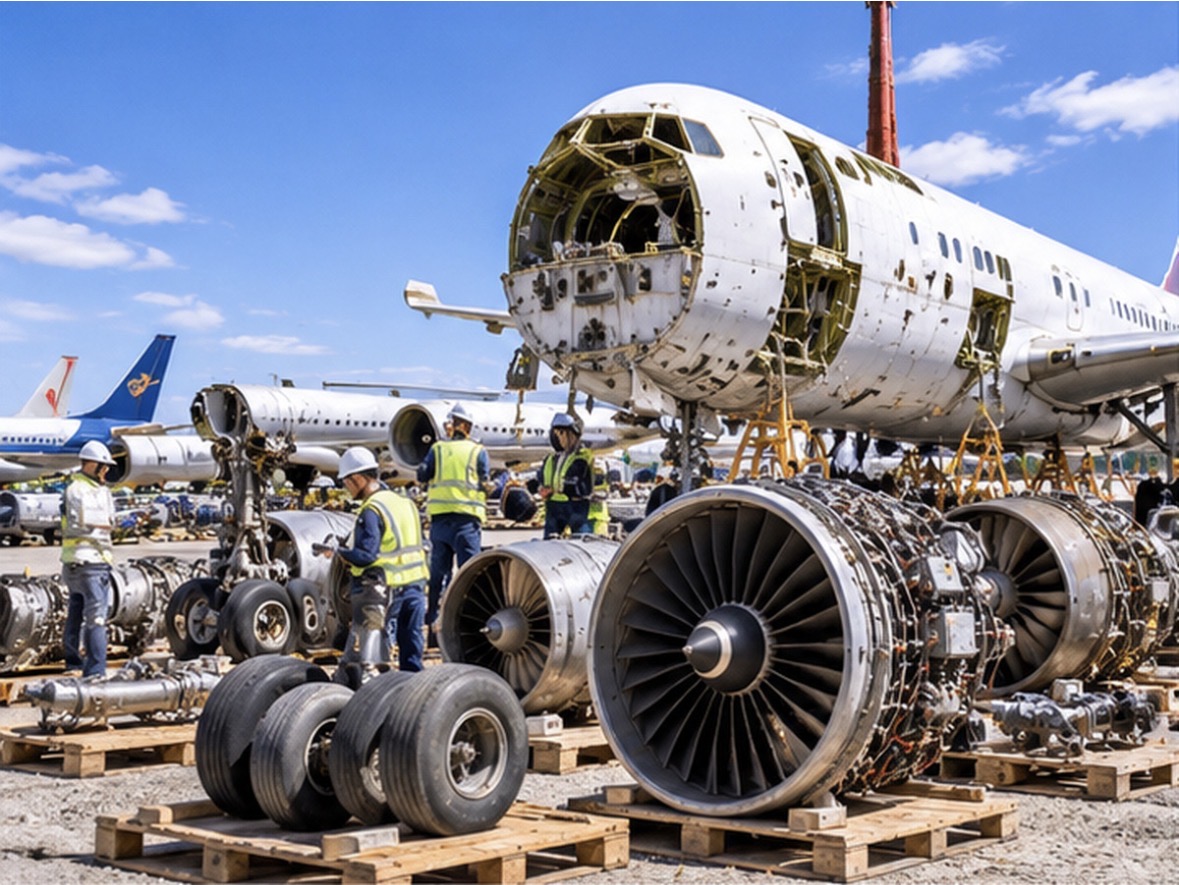
航空零件的再利用與一般工業回收最大的不同,在於飛航安全必須受到嚴格保障。從退役飛機拆卸下來的零組件,必須經過身分識別、使用履歷查核、技術檢測與性能評估,才能判斷是否具備再次使用的條件。部分零件需要透過非破壞性檢測、結構修復、清潔處理及功能測試,確認是否符合相關技術標準。對於具有使用壽命限制的關鍵零件,更必須完整追溯其服役紀錄。只有符合適用法規、維修規範及放行文件要求的零件,才能重新進入航空維修與營運體系。這套精密而嚴謹的程序,使零件回收不只是資源再利用,更成為結合工程技術、品質管理與飛航安全的專業產業。
Unlike conventional industrial recycling, the reuse of aviation components requires rigorous attention to flight safety. Parts removed from retired aircraft must undergo identification, service-history verification, technical inspection, and performance evaluation before their suitability for reuse can be determined. Some components require non-destructive testing, structural repairs, cleaning, and functional examinations to ensure compliance with applicable technical standards. Critical life-limited parts must also have fully traceable service records. Only components that satisfy relevant regulations, maintenance requirements, and authorized release documentation may return to the aviation maintenance and operational supply chain. These precise and demanding procedures transform aircraft component recovery into a specialized industry combining engineering expertise, quality management, and aviation safety.
高價值材料回收:從航空結構走向新生命High-Value Material Recovery: Giving Aerospace Materials a New Life
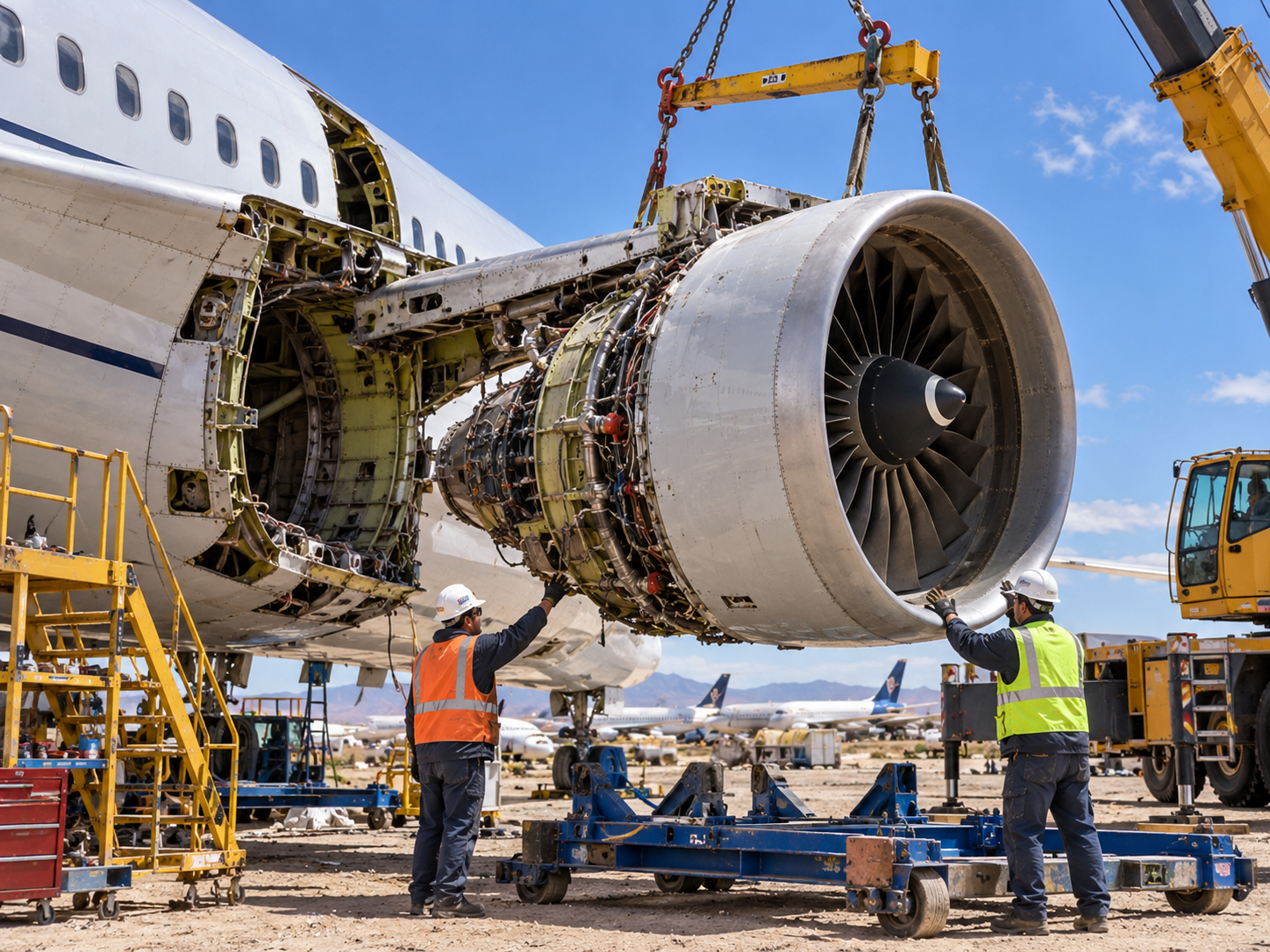
並非所有退役飛機零組件都適合重新安裝使用,但即使失去原有功能,其中仍蘊藏豐富的材料資源。飛機機身大量使用鋁合金,發動機與高溫結構則包含鈦合金、鎳基超合金及其他特殊金屬,這些材料具有重要的工業回收價值。透過分類、拆解、熔煉與精製處理,部分金屬可以重新進入製造供應鏈,成為汽車、建築、機械甚至航空產業的新材料。至於碳纖維複合材料,由於結構複雜,回收技術仍面臨挑戰,但熱裂解、化學回收等新興方法正持續發展。當原本即將被丟棄的航空材料獲得第二次生命,飛機墳場便不再只是終點,而可能成為新一代材料資源的起點。
Not every component recovered from a retired aircraft can be returned to service. However, even when its original function has ended, it may still contain valuable materials. Aircraft fuselages make extensive use of aluminum alloys, while engines and high-temperature structures contain titanium alloys, nickel-based superalloys, and other specialized metals with considerable recycling potential. Through sorting, dismantling, melting, and refining, some of these materials can reenter manufacturing supply chains and become resources for the automotive, construction, machinery, and even aerospace industries. Carbon-fiber composites present greater recycling challenges because of their complex structure, but emerging technologies such as pyrolysis and chemical recycling continue to advance. By giving discarded aerospace materials a second life, aircraft boneyards can evolve from final resting places into valuable sources of industrial resources.
智慧追蹤與循環經濟:打造永續航空新未來Smart Tracking and the Circular Economy: Building a Sustainable Aviation Future
隨著數位科技、人工智慧與全球永續發展理念持續進步,航空零組件回收正逐漸走向智慧化與系統化。透過數位履歷、零件追蹤、資料分析與自動化分類技術,企業能更有效掌握零組件的來源、使用狀態、剩餘壽命及回收價值,提升資源利用效率。未來,飛機製造商也將更加重視產品全生命週期管理,在設計階段就考慮零組件的維修便利性、拆解效率與材料回收能力。從製造、飛行、維修到退役再生,航空產業將逐步建立更完整的循環體系。真正的永續航空,不僅是讓飛機飛得更遠、更節能,更是讓每一份珍貴資源在完成使命之後,依然能夠延續價值,開啟下一段生命旅程。
As digital technologies, artificial intelligence, and global sustainability initiatives continue to advance, aircraft component recycling is becoming increasingly intelligent and systematic. Digital service records, component tracking, data analytics, and automated sorting technologies enable companies to better understand the origin, operating condition, remaining service life, and recovery value of aircraft parts, improving overall resource efficiency. In the future, aircraft manufacturers will place greater emphasis on full life-cycle management, considering maintenance accessibility, dismantling efficiency, and material recoverability from the earliest design stages. From manufacturing and flight operations to maintenance, retirement, and recovery, the aviation industry will gradually establish a more comprehensive circular system. Truly sustainable aviation is not only about flying farther with less energy, but also about ensuring that valuable resources continue to serve a meaningful purpose long after their original mission has ended.