海佛利克極限Hayflick Limit
細胞分裂、端粒與人類壽命的科學觀點Cell Division, Telomeres, and the Scientific View of Human Longevity
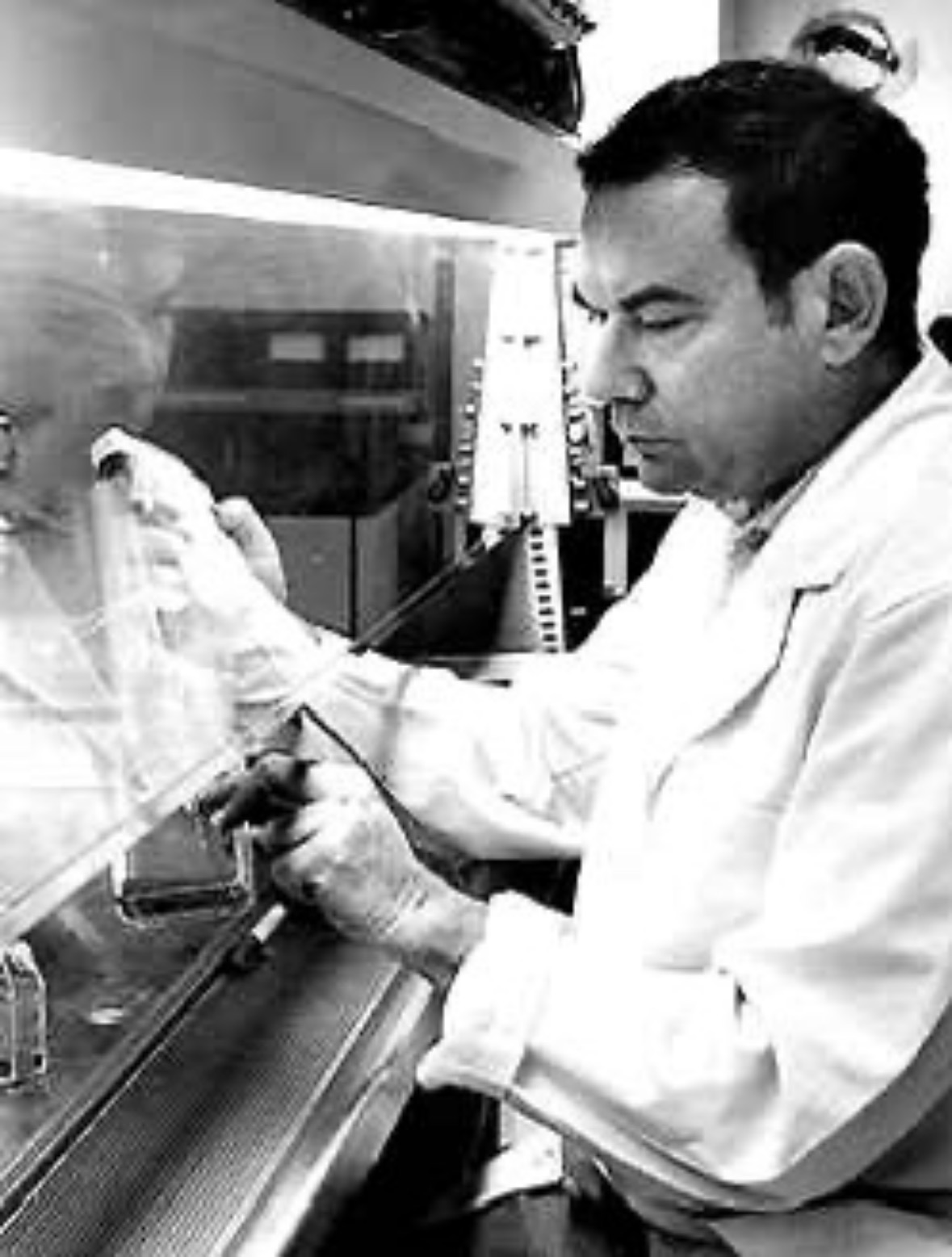
Leonard Hayflick (1928–2024)
歷史照片來源 / Historical photograph: Wikimedia Commons一、概念與起源Concept and Origin
海佛利克極限(Hayflick Limit)是細胞老化研究的重要里程碑。1961年,科學家李奧納多・海佛利克(Leonard Hayflick)與保羅・穆爾黑德(Paul Moorhead)發現,正常人類二倍體細胞在體外培養時,並不能無限制地分裂,而是在經過一定次數的分裂後,逐漸進入複製性衰老狀態。某些人類纖維母細胞在特定培養條件下,約可分裂40至60次。這項發現挑戰了當時細胞可以無限繁殖的觀念,也開啟了現代細胞老化與長壽研究的重要方向。
The Hayflick Limit represents a major milestone in cellular aging research. In 1961, Leonard Hayflick and Paul Moorhead demonstrated that normal human diploid cells cannot divide indefinitely in culture. Instead, they undergo a limited number of divisions before entering replicative senescence. Under certain laboratory conditions, some human fibroblasts may divide approximately 40 to 60 times. This discovery challenged the prevailing belief in unlimited cellular reproduction and helped establish the foundations of modern cellular aging and longevity research.
二、端粒縮短與保護機制Telomere Shortening and Protective Mechanisms
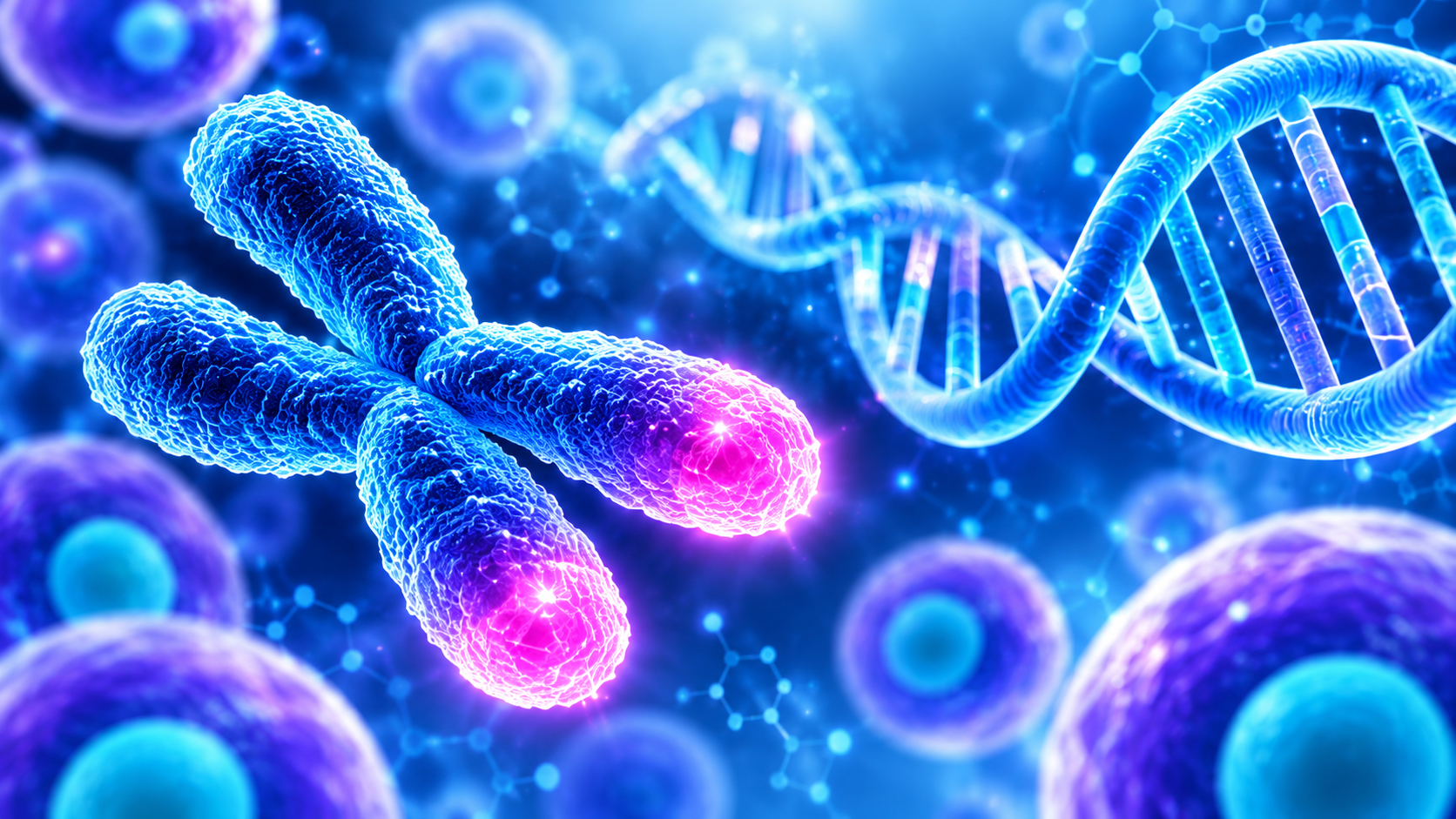
端粒(Telomere)位於染色體末端,由重複的DNA序列與相關蛋白質組成,具有保護染色體完整性的功能。部分正常體細胞在持續分裂過程中,端粒會逐漸縮短。當端粒過短或失去正常保護作用時,細胞可能啟動DNA損傷反應,進入衰老或凋亡程序。端粒酶(Telomerase)則能協助維持端粒長度,但其活性在多數正常體細胞中受到嚴格調節。端粒研究提供了理解細胞老化的重要線索,但細胞衰老並非只由端粒長度決定。
Telomeres are protective structures located at the ends of chromosomes, consisting of repetitive DNA sequences and associated proteins. During repeated divisions, telomeres gradually shorten in many normal somatic cells. Critically short or dysfunctional telomeres may activate DNA damage responses, leading to cellular senescence or apoptosis. Telomerase helps maintain telomere length, although its activity is tightly regulated in most normal somatic cells. Telomere research provides valuable insights into cellular aging, but telomere shortening is not the only mechanism responsible for senescence.
三、幹細胞與端粒酶Stem Cells and Telomerase
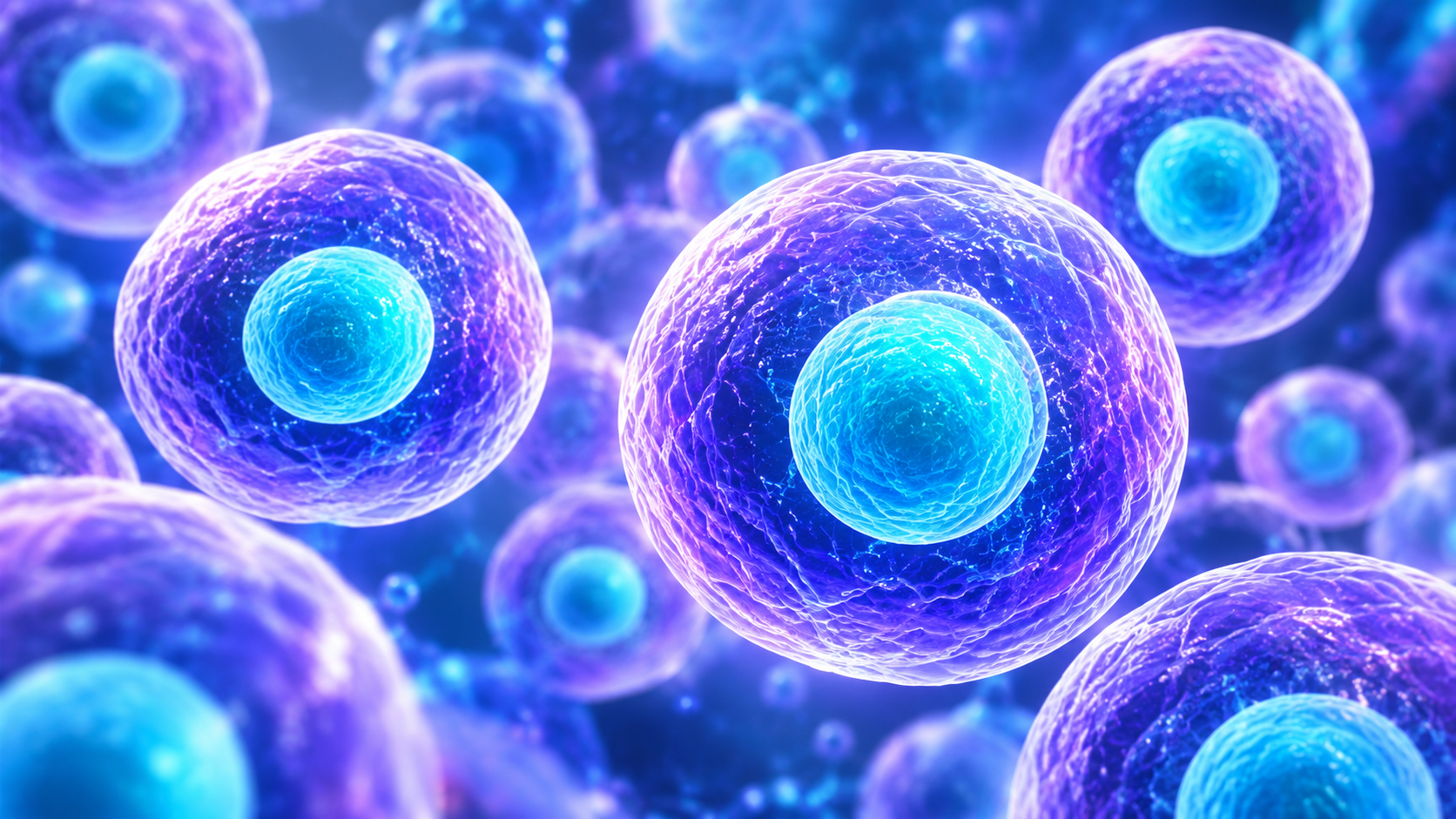
幹細胞具有自我更新與分化成不同細胞類型的能力,是維持人體組織修復與再生的重要基礎。部分幹細胞具有較高的端粒酶活性,有助於支持長期的細胞更新。然而,不同幹細胞的分裂能力、端粒維護方式與再生潛力並不相同。隨著年齡增長,幹細胞功能可能受到DNA損傷、組織環境與慢性發炎等多種因素影響。科學家正持續研究如何在維持細胞安全與避免異常增生的前提下,促進健康的組織修復與再生。
Stem cells possess the ability to renew themselves and differentiate into specialized cell types, playing an essential role in tissue maintenance and regeneration. Some stem cells exhibit relatively high telomerase activity, helping support continued cell renewal. However, stem cell populations differ in their division capacity, telomere maintenance, and regenerative potential. With advancing age, stem cell function may decline due to DNA damage, changes in the tissue environment, and chronic inflammation. Researchers continue to investigate safe ways to support tissue regeneration while minimizing the risks of abnormal cell growth.
四、壽命推論與科學討論Lifespan Estimates and Scientific Debate
海佛利克極限揭示了特定正常體細胞的分裂次數具有一定限制,但不能直接將細胞分裂次數換算成人類的自然壽命。過去曾有人以細胞更新週期與分裂次數推估120至150歲等理論數字,然而這些推算並非經科學證實的人類壽命上限。人體老化涉及遺傳、代謝、免疫、環境及多種細胞機制,遠比單一的細胞分裂模型複雜。現代長壽研究更重視延長健康壽命,探索如何在增加存活年數的同時,維持良好的身體與認知功能。
The Hayflick Limit demonstrates that certain normal somatic cells have a finite division capacity, but it cannot be directly converted into a maximum human lifespan. Historical theoretical estimates of 120 to 150 years have sometimes been proposed using simplified models of cell renewal and division. However, these calculations are not scientifically established limits of human longevity. Human aging involves genetics, metabolism, immunity, environmental influences, and multiple cellular mechanisms. Modern longevity research increasingly focuses on extending healthspan while preserving physical and cognitive function.

五、健康與生命的啟示Insights for Health and Life
細胞老化是生命過程中的自然現象,但健康的生活方式有助於維持身體機能與提升生活品質。均衡飲食、規律運動、充足睡眠、壓力管理及維持良好社交關係,都是健康老化的重要基礎。科學研究也持續探索細胞修復、代謝調節及延緩年齡相關疾病的方法。理解海佛利克極限的真正意義,不是追求細胞無限制分裂,而是進一步認識生命的生物學機制,為健康長壽建立更科學的方向。
Cellular aging is a natural biological process, but healthy lifestyle choices can help maintain physical function and improve quality of life. Balanced nutrition, regular exercise, sufficient sleep, stress management, and meaningful social relationships are essential foundations of healthy aging. Scientific research continues to explore cellular repair, metabolic regulation, and strategies to delay age-related diseases. Understanding the Hayflick Limit is not about achieving unlimited cell division, but about gaining deeper insight into the biology of life and establishing a more scientific approach to healthy longevity.

六、結語Conclusion
追求健康、延長人類壽命,是人類持續探索的重要目標。海佛利克極限提醒我們,細胞的生命歷程具有生物學限制,但也激發了科學界對端粒、細胞老化、組織再生及健康長壽的深入研究。面對未來,我們應以科學證據為基礎,結合醫學研究、健康管理與科技創新,探索改善人類健康的新可能。真正的長壽,不只是歲月的延伸,更是活力、尊嚴與生命品質的提升。
The pursuit of better health and longer human life has inspired generations of scientific exploration. The Hayflick Limit reminds us that cellular life processes have biological constraints while encouraging further research into telomeres, cellular aging, tissue regeneration, and healthy longevity. Looking toward the future, evidence-based medicine, proactive health management, and technological innovation may open new possibilities for improving human well-being. Meaningful longevity is not merely about adding years to life, but about preserving vitality, dignity, and quality of life.