美國火箭發展史History of U.S. Rocket Development
從第一道火箭火焰,到可重複使用的太空運輸時代。From the first rocket-powered flight to the era of reusable space transportation.
現代火箭技術的誕生The Birth of Modern Rocket Technology
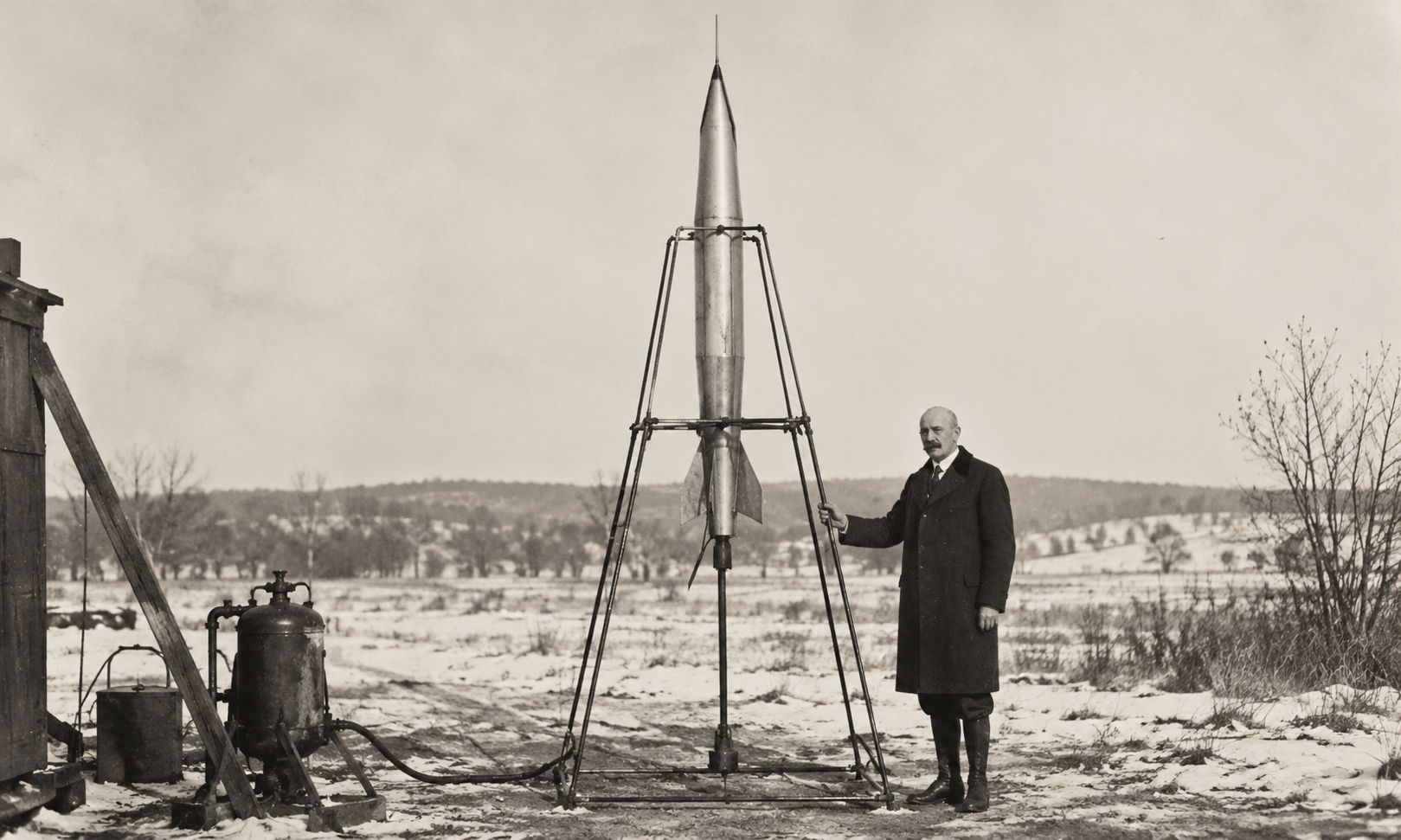
1926 年 3 月 16 日,美國科學家羅伯特・戈達德(Robert H. Goddard)在麻薩諸塞州完成世界首枚液態燃料火箭的成功飛行。火箭飛行約 2.5 秒,上升約 12.5 公尺,短暫的實驗開啟了現代火箭技術的新紀元。戈達德持續研究液態推進、陀螺儀穩定與飛行導引,將科學構想逐步轉化為可測試的工程系統。從雪地裡的小型實驗到後來的大型運載火箭,這段歷程展現了反覆驗證與長期研究的力量。
On March 16, 1926, Robert H. Goddard achieved the first successful flight of a liquid-fueled rocket in Massachusetts. It flew for about 2.5 seconds and reached roughly 12.5 meters, a brief experiment that opened a new era in rocketry. Goddard continued investigating liquid propulsion, gyroscopic stabilization and flight guidance, turning scientific ideas into testable engineering systems. From small experiments in a snowy field to later launch vehicles, this history illustrates the value of repeated testing and sustained research.
從軍事火箭到太空運載系統From Military Rockets to Space Launch Vehicles
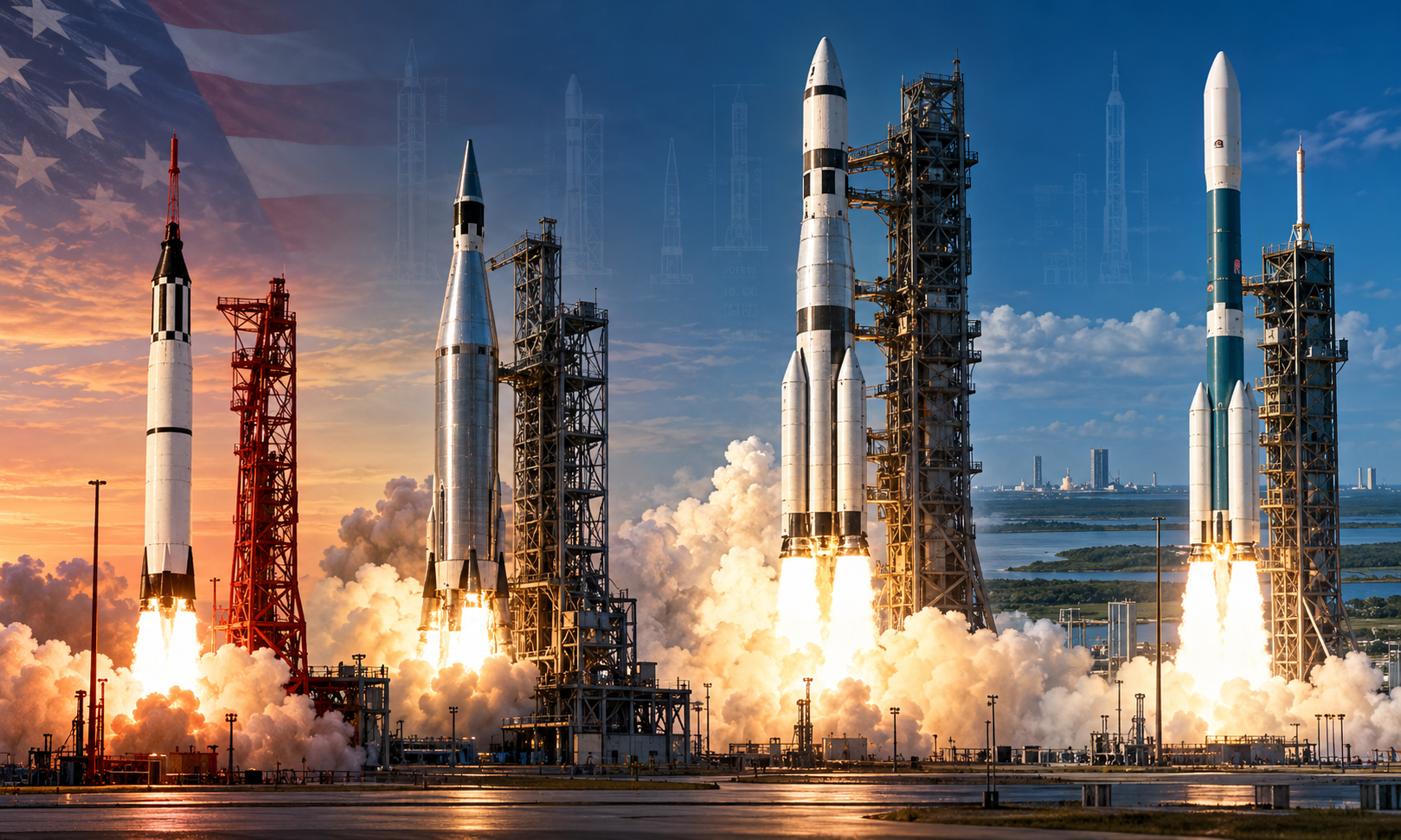
第二次世界大戰後,美國逐步發展紅石、擎天神與泰坦等火箭系統,並將部分軍用推進技術轉向衛星發射與載人任務。德爾塔系列則從雷神火箭及其上面級的改良中發展,各系列的起源與任務並不相同。隨著需求增加,工程師改進多節式構型、推力、導引與酬載能力,讓運載工具能把衛星及科學探測器送往不同軌道。發射場、測控網路與地面作業也逐步成熟,形成後續民用與商業太空運輸的重要基礎。
After World War II, the United States developed systems including Redstone, Atlas and Titan, adapting some military propulsion technologies for satellite launches and human spaceflight. Delta evolved from improvements to Thor and its upper stages; these families did not share identical origins or missions. Engineers improved staging, thrust, guidance and payload capacity to carry satellites and scientific probes into different orbits. Launch sites, tracking networks and ground operations matured alongside the vehicles, supporting later civil and commercial space transportation.
商業火箭與可重複使用革命Commercial Rockets and the Reusability Revolution
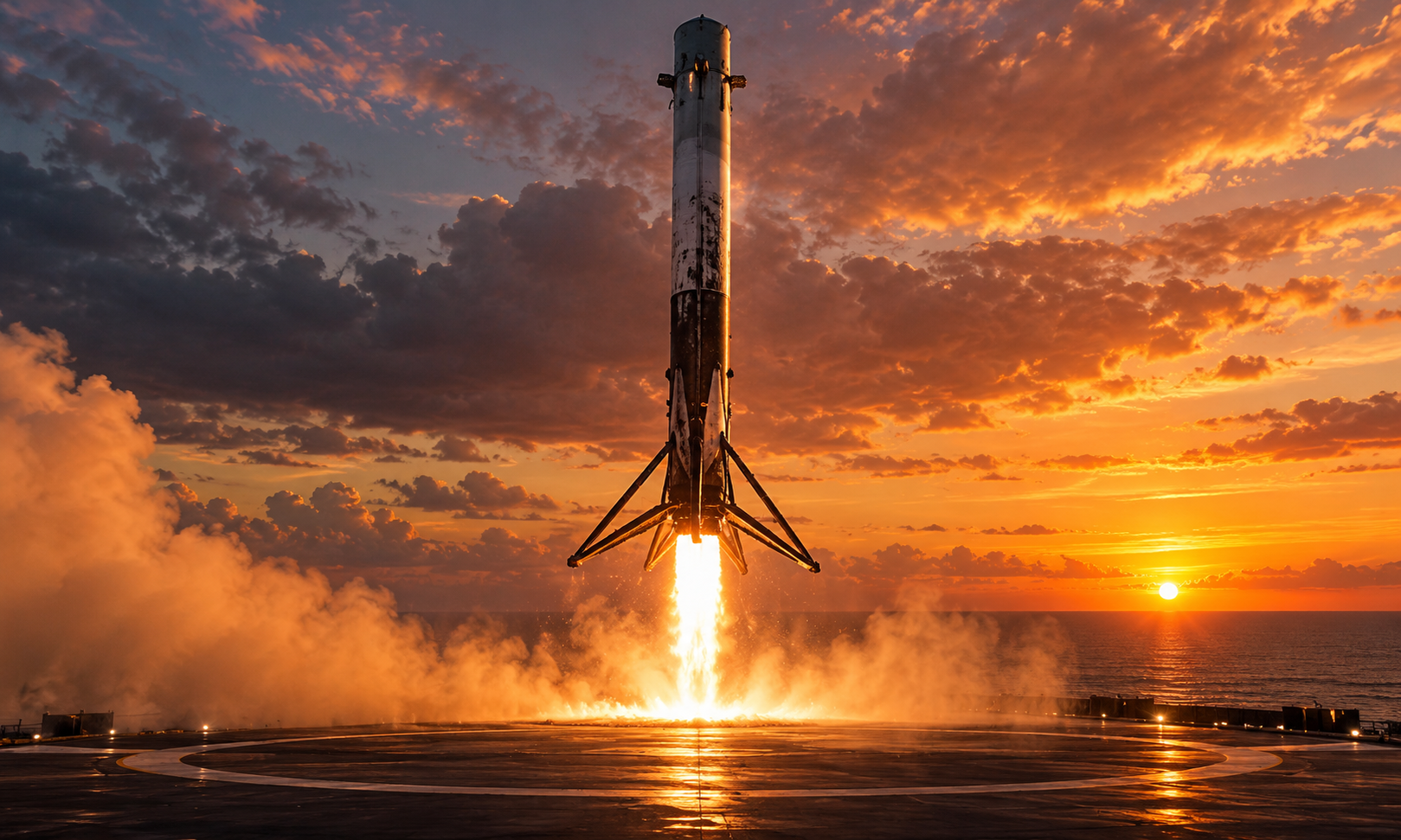
進入二十一世紀,民間企業逐漸參與火箭的設計、製造與營運。2008 年,SpaceX 的獵鷹一號成功進入軌道;2015 年,獵鷹九號完成首次第一節助推器陸地垂直回收,成為重要里程碑。然而,成功回收只是起點,還必須經過檢查、整備與再次飛行,才能建立可靠的重複使用能力。這種模式為提高發射頻率及降低部分成本帶來可能,但實際效益仍取決於載具設計、維修需求與任務條件,不能一概而論。
In the twenty-first century, private companies expanded their role in launch vehicle design, manufacturing and operations. SpaceX’s Falcon 1 reached orbit in 2008, and Falcon 9 achieved its first land-based vertical booster landing in 2015. Recovery alone is only a starting point: inspection, refurbishment and subsequent flights are needed to establish dependable reuse. This approach offers opportunities to increase launch frequency and reduce some costs, but actual benefits depend on vehicle design, maintenance requirements and mission conditions.
新世代火箭與未來運輸科技Next-Generation Rockets and the Future of Space Transportation
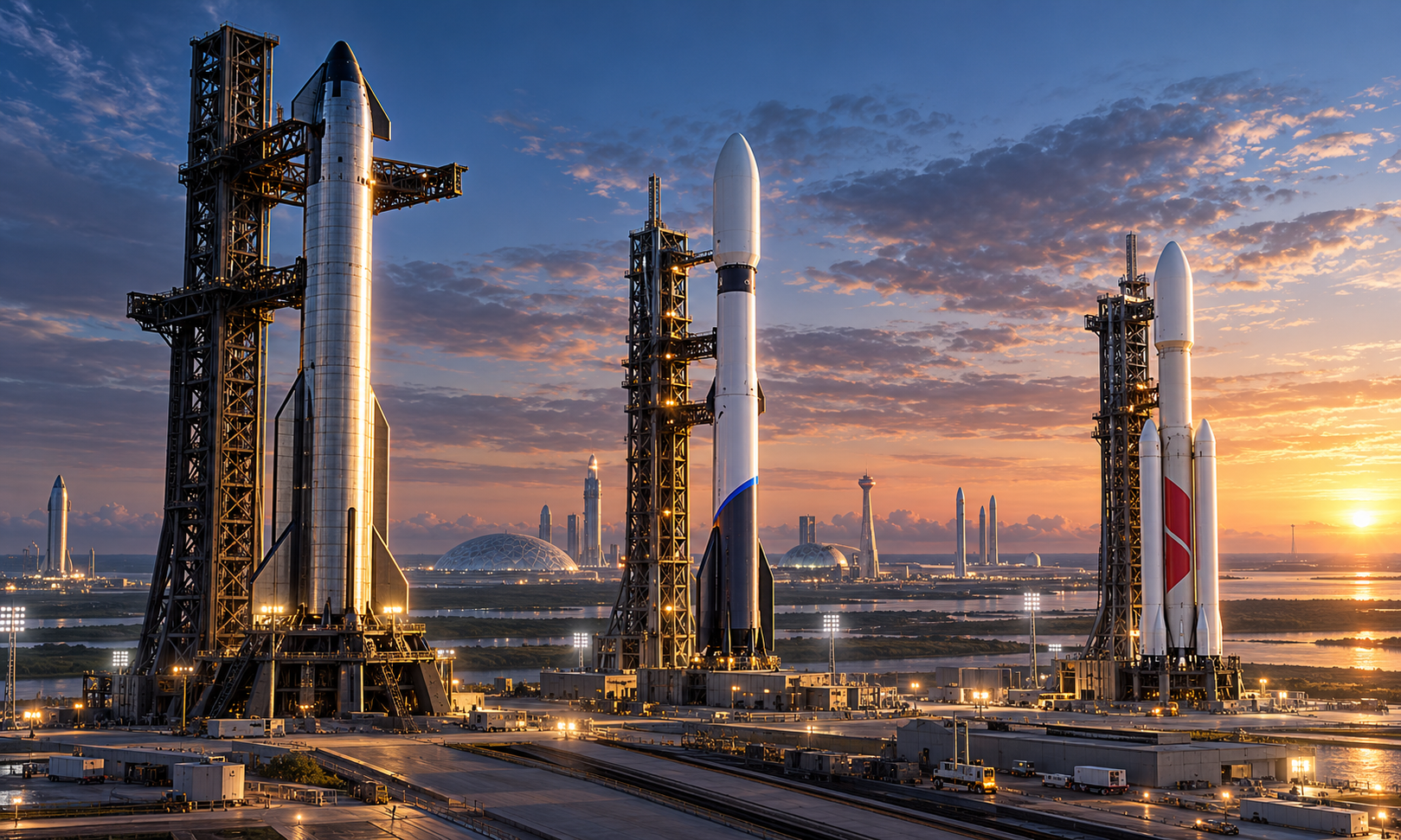
新世代運載系統展現不同的工程方向。SpaceX 星艦以全系統重複使用為設計目標;藍色起源的新葛倫採可回收第一節;聯合發射聯盟的火神半人馬座則以高性能上面級與任務彈性服務不同軌道需求。三者的運力、重用策略與發展階段不能等同看待。未來太空運輸不只追求更大酬載,也需要可靠的地面設施、安全驗證與穩定作業。從一次性運載到重複使用研究,多元技術路線共同拓展商業太空活動的可能。
Next-generation launch systems pursue different engineering paths. SpaceX’s Starship targets full-system reuse, Blue Origin’s New Glenn uses a recoverable first stage, and ULA’s Vulcan Centaur emphasizes a high-performance upper stage and mission flexibility. Their capacities, reuse strategies and development stages should not be treated as equivalent. Future transportation requires not only larger payloads but also dependable ground infrastructure, safety validation and stable operations. Multiple approaches, from expendable launch vehicles to research into reuse, expand the possibilities for commercial space activity.