私人火箭系統Private Rocket Systems
從政府主導到民間創新,開創商業太空運輸的新時代。From government-led programs to private innovation, ushering in a new era of commercial space transportation.
民間企業開啟太空新時代Private Companies Usher in a New Space Age
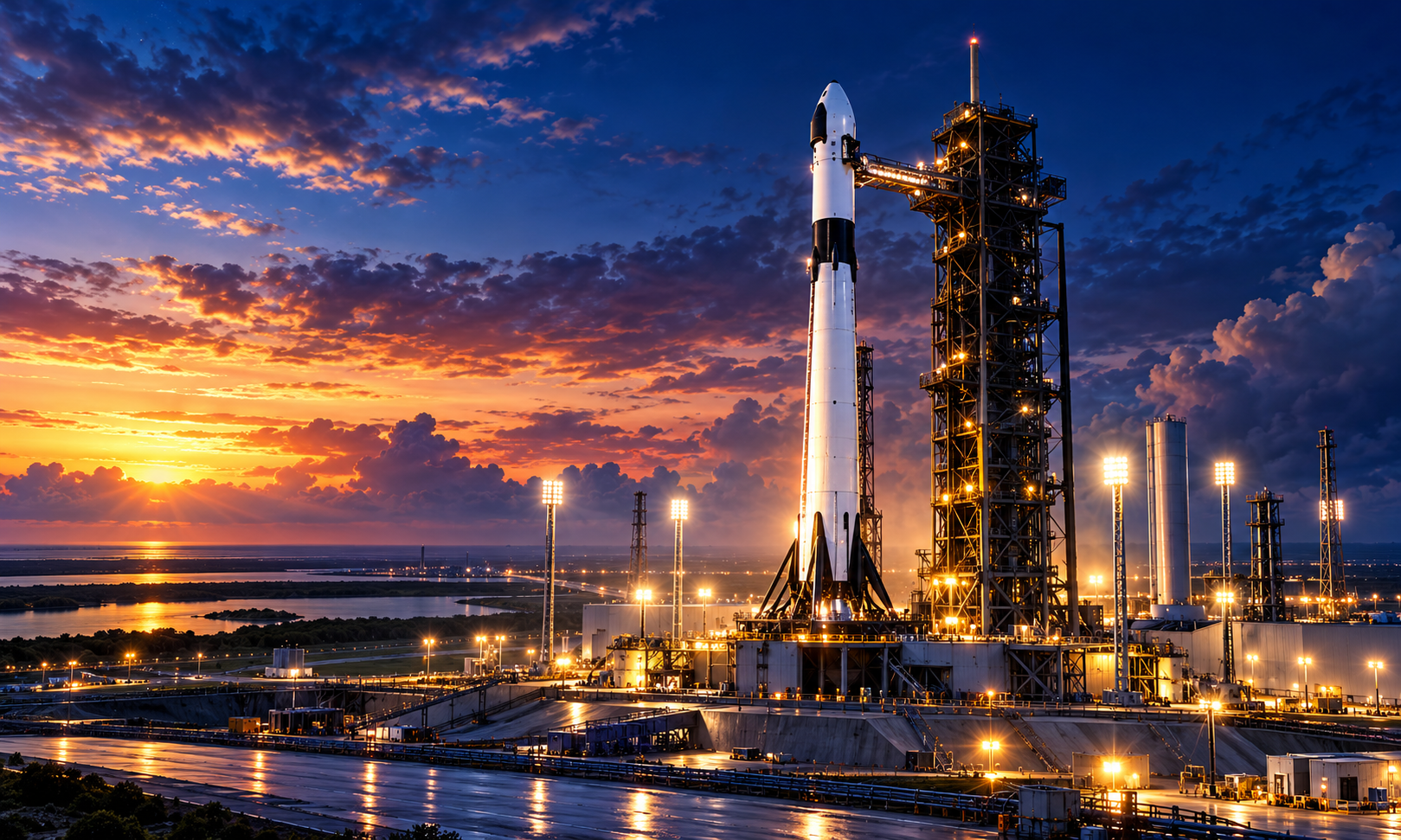
過去,火箭發射主要由政府機構主導,龐大的研發成本與複雜技術,使太空探索集中於少數國家。隨著民間投資、工程技術與商業需求成長,私人企業開始自行設計、製造及營運火箭。SpaceX、Blue Origin 與 Rocket Lab 等公司,提供發射服務,也參與政府委託的科學及運輸任務。這不是政府角色的消失,而是公私部門分工與合作方式的擴展。從設備供應到任務整合,多元參與者共同拓展進入太空的途徑。
Launches were historically led by government agencies, with high development costs and complex technology concentrating space exploration in relatively few nations. Growing private investment, engineering capabilities and commercial demand enabled companies to design, manufacture and operate rockets. SpaceX, Blue Origin and Rocket Lab provide launch services and participate in government-funded science and transport missions. This expands public-private cooperation rather than eliminating government’s role. From equipment supply to mission integration, diverse participants are broadening access to space.
不同企業的火箭技術特色Rocket Technologies and Their Distinctive Capabilities
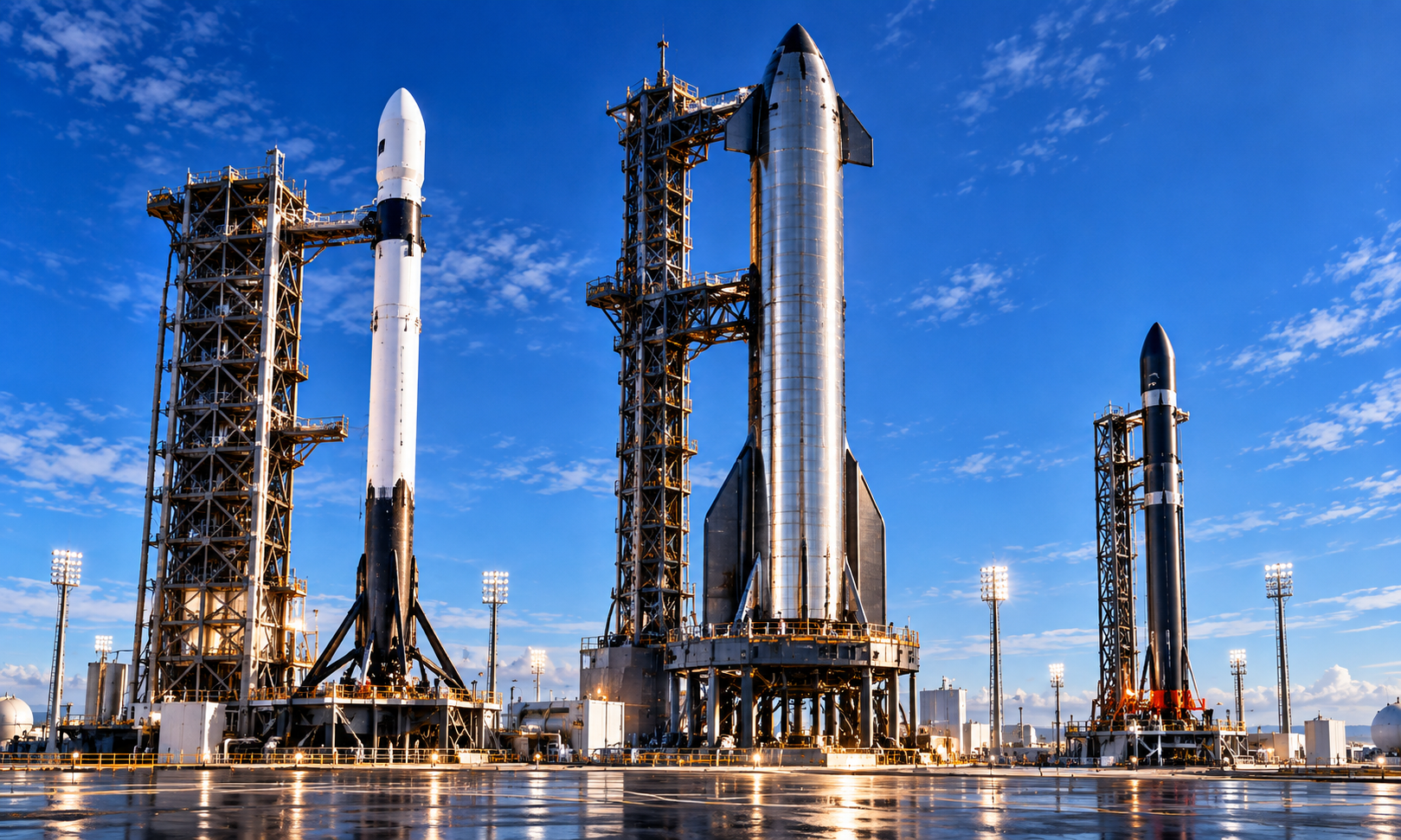
私人火箭並非只有一種技術模式。獵鷹九號以可回收第一節與持續發展的重複使用流程,支援多種軌道任務;新葛倫採重型運載架構與海上回收系統,已於 2025 年完成首次第一節著陸。Electron 則聚焦小型衛星發射,提供專屬任務與軌道配置選擇。三者在酬載規模、推進、任務彈性及營運成熟度上各有差異,應依需求比較。圖中載具是藝術示意,外形與設計標籤不能作為實際型號的識別證據。
Private launch vehicles follow different technical approaches. Falcon 9 combines a recoverable first stage with established reuse processes for varied orbital missions. New Glenn uses a heavy-lift architecture and offshore recovery system, achieving its first booster landing in 2025. Electron focuses on small-satellite launches, offering dedicated missions and orbital options. Payload scale, propulsion, flexibility and operational maturity differ and should be compared against mission needs. The artistic vehicles shown are illustrative; their appearance and editorial labels do not establish actual model identities.
商業發射服務與太空經濟Commercial Launch Services and the Space Economy
商業發射服務的核心,是把客戶的酬載送往合適的太空軌道。客戶可依衛星質量、目標軌道與時程,選擇專屬發射或共乘服務,並安排任務分析、介面驗證與發射整合。通訊、地球觀測、氣象監測及科學研究,則由衛星與相關地面系統在軌道上執行,不能與火箭運輸本身混為一談。可靠的發射是這些應用的起點;後續仍需要衛星操作、資料處理與服務交付,才能形成完整的太空經濟鏈。
Commercial launch services deliver customer payloads to suitable orbits. Satellite mass, destination and schedule guide the choice of dedicated or rideshare launches, supported by mission analysis, interface verification and launch integration. Communications, Earth observation, weather monitoring and research are performed by satellites and ground systems, distinct from rocket transportation itself. Reliable launches enable these applications, but satellite operations, data processing and service delivery are also needed to complete the space-economy value chain.

私人火箭系統的未來展望The Future of Private Rocket Systems
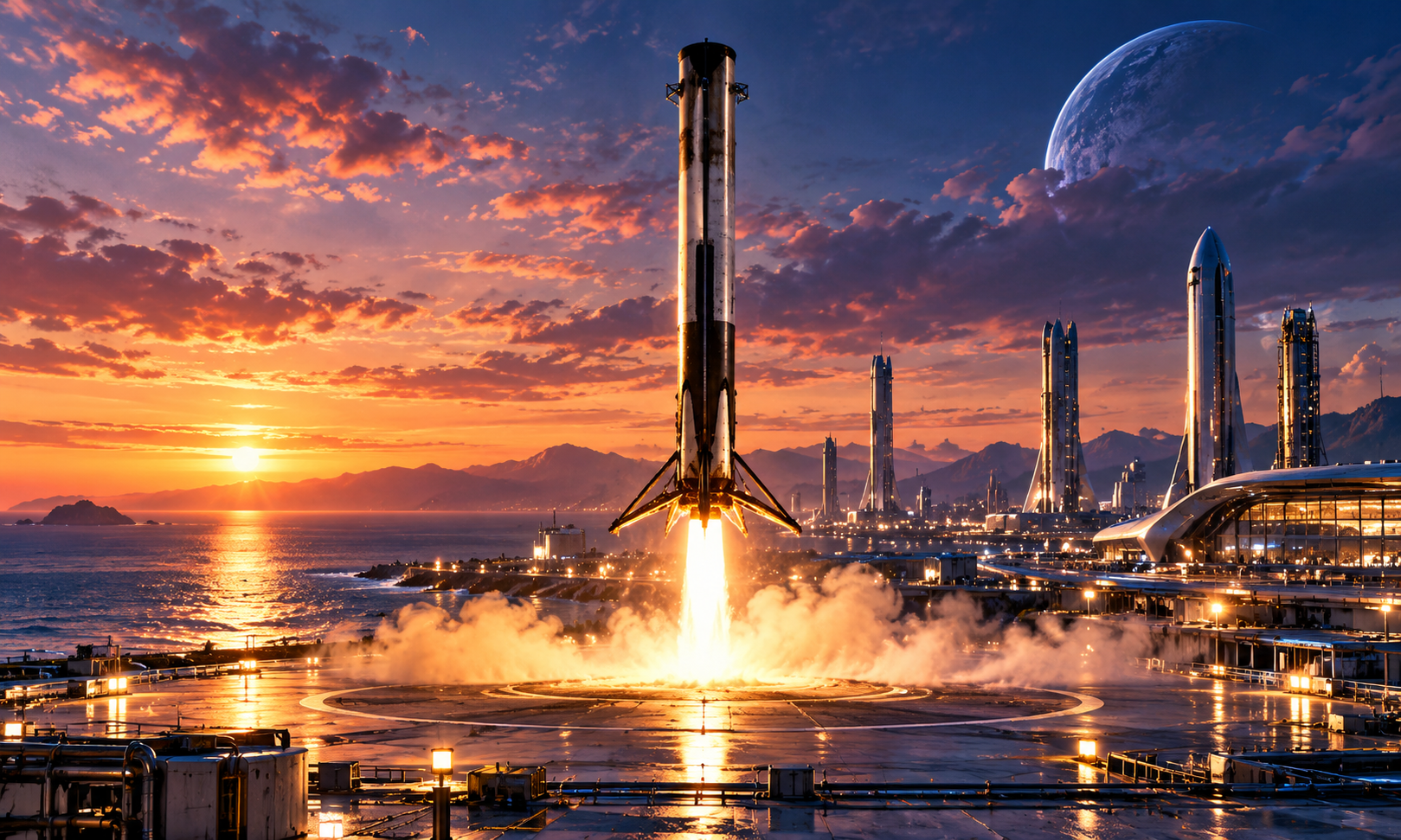
未來私人火箭系統可望朝更高重複使用程度、自動化作業與先進製造發展。若能縮短檢查與整備流程,同時維持可靠度,便可能提高發射頻率並降低部分營運成本;這些效益仍須由實際任務驗證。安全標準、環境考量、地面設施與穩定需求,也會影響技術能否持續運作。圖中的未來太空港是構想,並非現存商業基地。從回收測試到可靠運輸,每一步都需要工程改進、風險管理及長期經驗累積。
Future private rocket systems may advance through greater reuse, automated operations and advanced manufacturing. Shorter inspection and refurbishment cycles could raise flight frequency and reduce some operating costs while maintaining reliability, but missions must demonstrate those benefits. Safety standards, environmental considerations, ground infrastructure and sustained demand also shape viability. The futuristic spaceport shown is a concept, not an existing commercial facility. Progress from recovery tests to dependable transport requires engineering improvement, risk management and accumulated experience.