NASA
美國國家航空暨太空總署National Aeronautics and Space Administration
從太空競賽到深空探索,見證人類突破地球疆界的偉大歷程。From the Space Race to deep-space exploration, advancing humanity's journey beyond Earth.
NASA 的誕生與太空探索起點The Birth of NASA and the Beginning of Space Exploration
1958 年,美國成立國家航空暨太空總署(NASA),開啟現代太空探索的新紀元。當時美蘇太空競賽日益激烈,NASA 肩負發展航空科技、太空研究與載人飛行的重要使命。早期的水星計畫(Mercury)成功將美國太空人送入太空,雙子星計畫(Gemini)進一步驗證太空船交會、對接與太空漫步技術,為登月奠定基礎。這些任務累積的工程經驗與安全知識,也讓人類逐步建立在地球之外活動的能力。從最初的軌道測試到更遠的航程,每一步都仰賴團隊協作與持續的科學驗證。
Established in 1958 amid the intensifying Space Race, NASA opened a new era of exploration, advancing aeronautics, space research and human spaceflight. Project Mercury sent American astronauts into space. Project Gemini then demonstrated rendezvous, docking and spacewalk techniques, laying foundations for lunar exploration. The engineering experience and safety knowledge gained through these missions helped humanity gradually develop the ability to operate beyond Earth. From early orbital tests to more distant journeys, every step depends on teamwork and continued scientific validation.
阿波羅計畫與登月里程碑The Apollo Program and the Historic Moon Landing
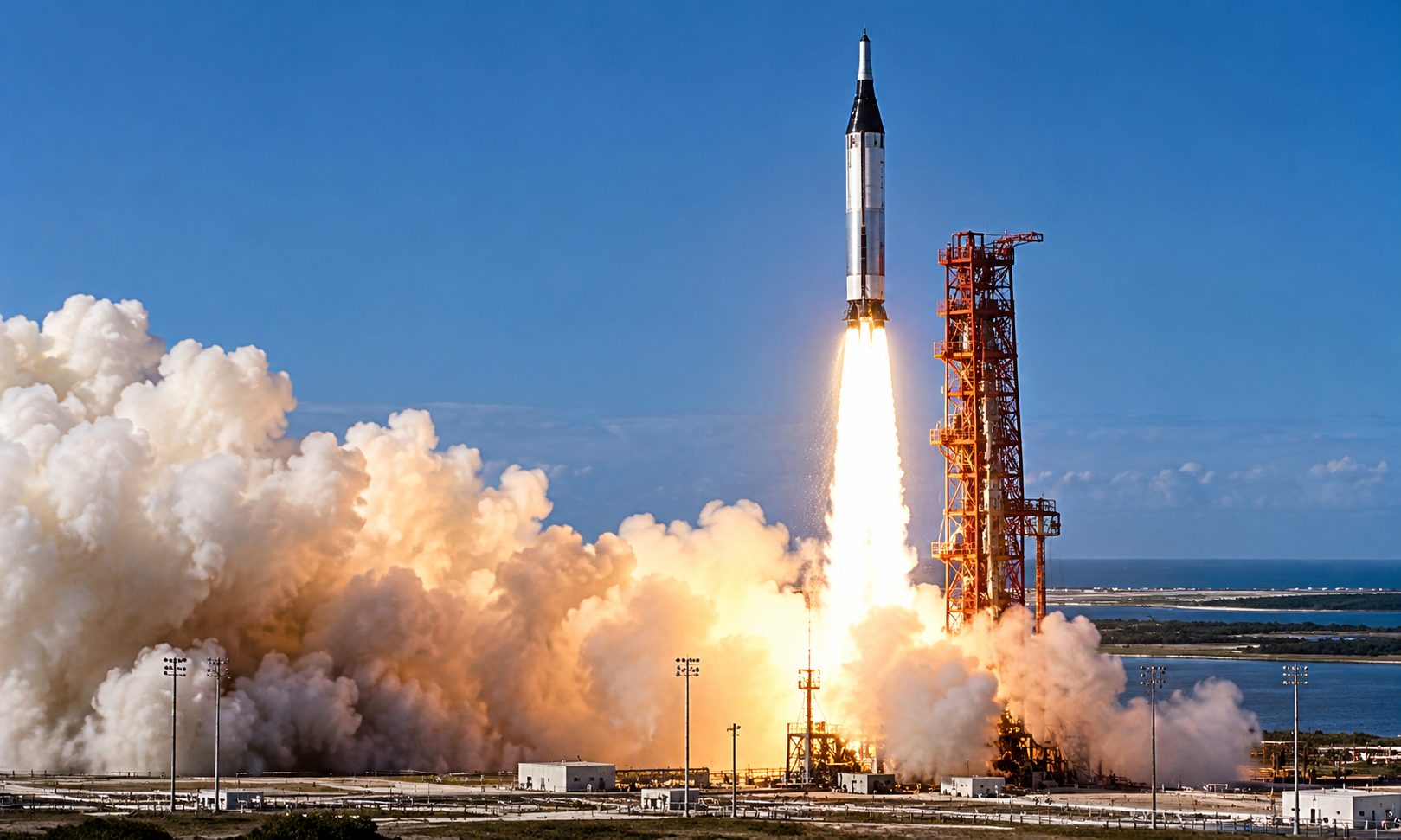
1969 年 7 月,阿波羅 11 號成功將太空人送上月球,寫下人類航空太空史的重要一頁。尼爾・阿姆斯壯與巴茲・艾德林踏上月面,麥可・柯林斯則留在月球軌道。執行任務的土星五號(Saturn V)火箭,以多節推進系統將太空船送往月球,展現工程整合的力量。阿波羅計畫不僅完成登月壯舉,也透過岩石採樣與科學實驗深化對月球的認識,並推動材料、電子、通訊及太空導航技術的進步。
In July 1969, Apollo 11 carried astronauts to the Moon, marking a milestone in aerospace history. Neil Armstrong and Buzz Aldrin walked on the surface while Michael Collins remained in lunar orbit. The Saturn V rocket’s multistage propulsion system sent the spacecraft toward the Moon, demonstrating the power of integrated engineering. Beyond the landing itself, Apollo advanced lunar science through rock samples and experiments, while contributing to progress in materials, electronics, communications and space navigation.
太空梭時代與國際太空合作The Space Shuttle Era and International Cooperation
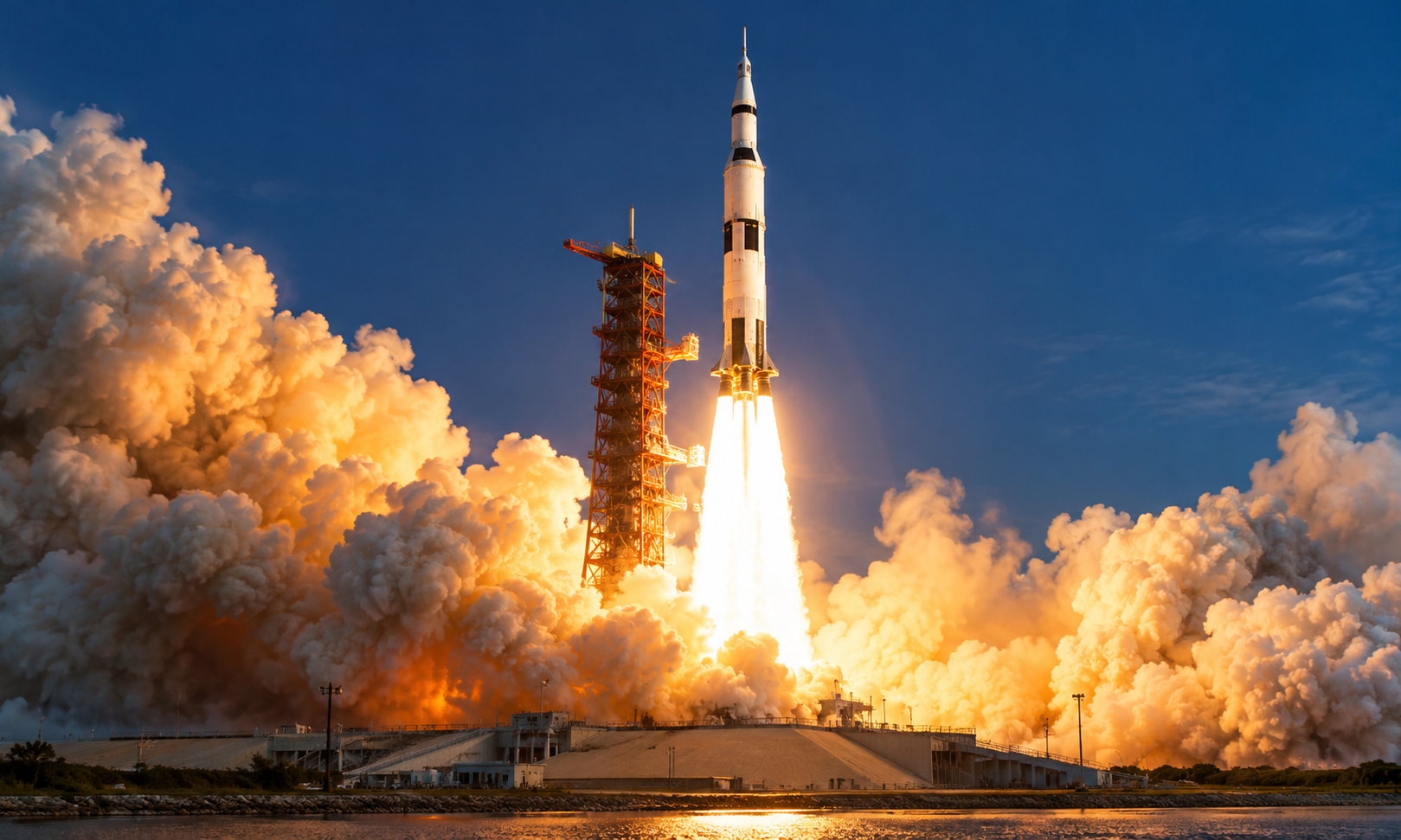
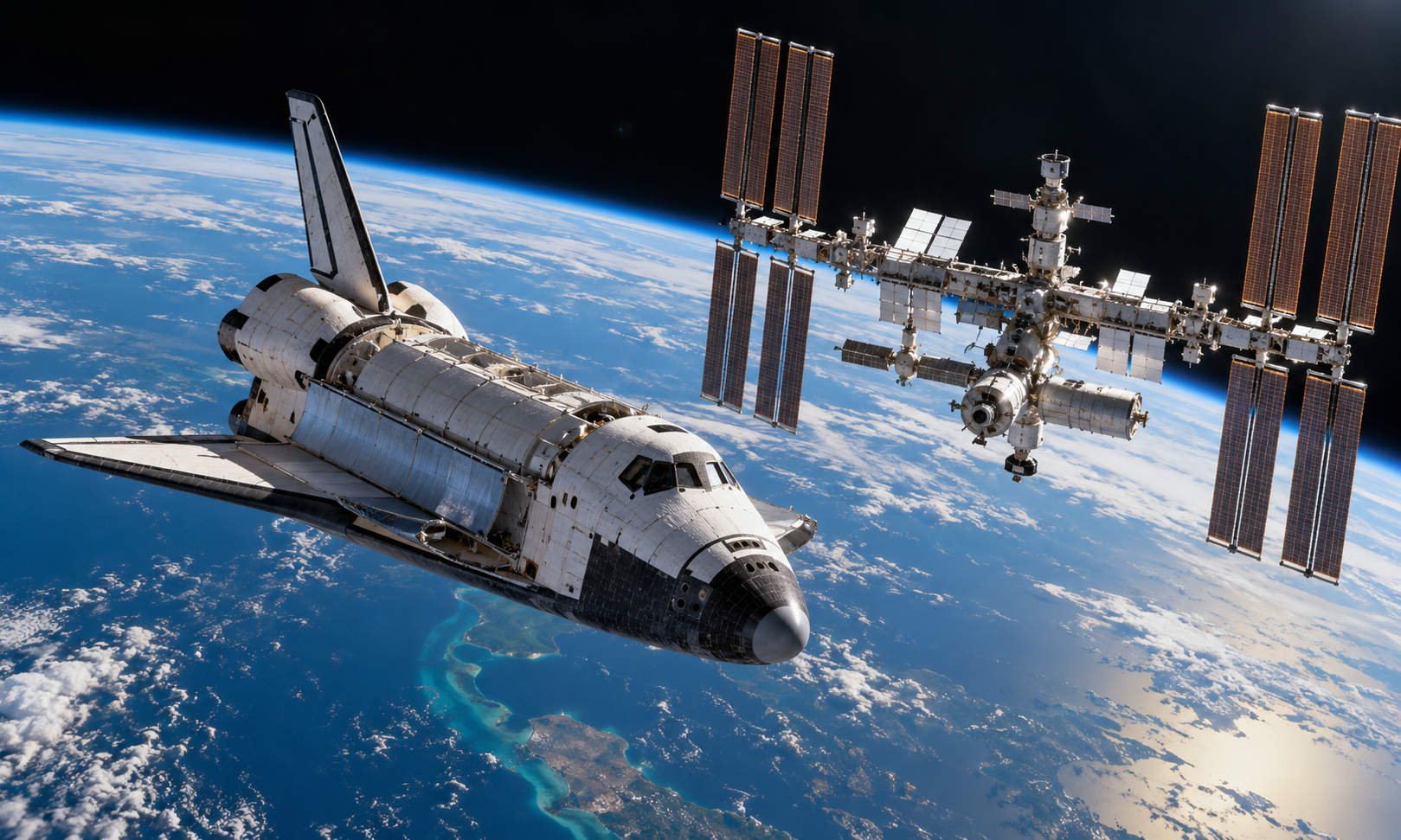
1981 年,NASA 開啟太空梭時代。太空梭採用可重複使用的軌道飛行器,能將太空人與設備送入地球軌道,並返回地面,為太空運輸帶來新的可能。在長達三十年的服役期間,太空梭執行衛星部署、科學實驗、哈伯望遠鏡維修,以及國際太空站組裝等重要任務。國際太空站連結美國、歐洲、日本、加拿大與俄羅斯等夥伴的資源,讓長期在軌研究成為可能,也讓太空探索成為跨越國界、持續合作的重要舞台。
NASA’s Space Shuttle era began in 1981. Its reusable orbiter transported astronauts and equipment into Earth orbit and returned to the ground, opening new possibilities for space transportation. Over thirty years of service, shuttles deployed satellites, conducted experiments, serviced Hubble and helped assemble the International Space Station. The station brought together resources from the United States, Europe, Japan, Canada and Russia, enabling long-term orbital research and making exploration an enduring arena for international cooperation.
阿提米絲計畫與未來深空任務The Artemis Program and the Future of Deep-Space Exploration
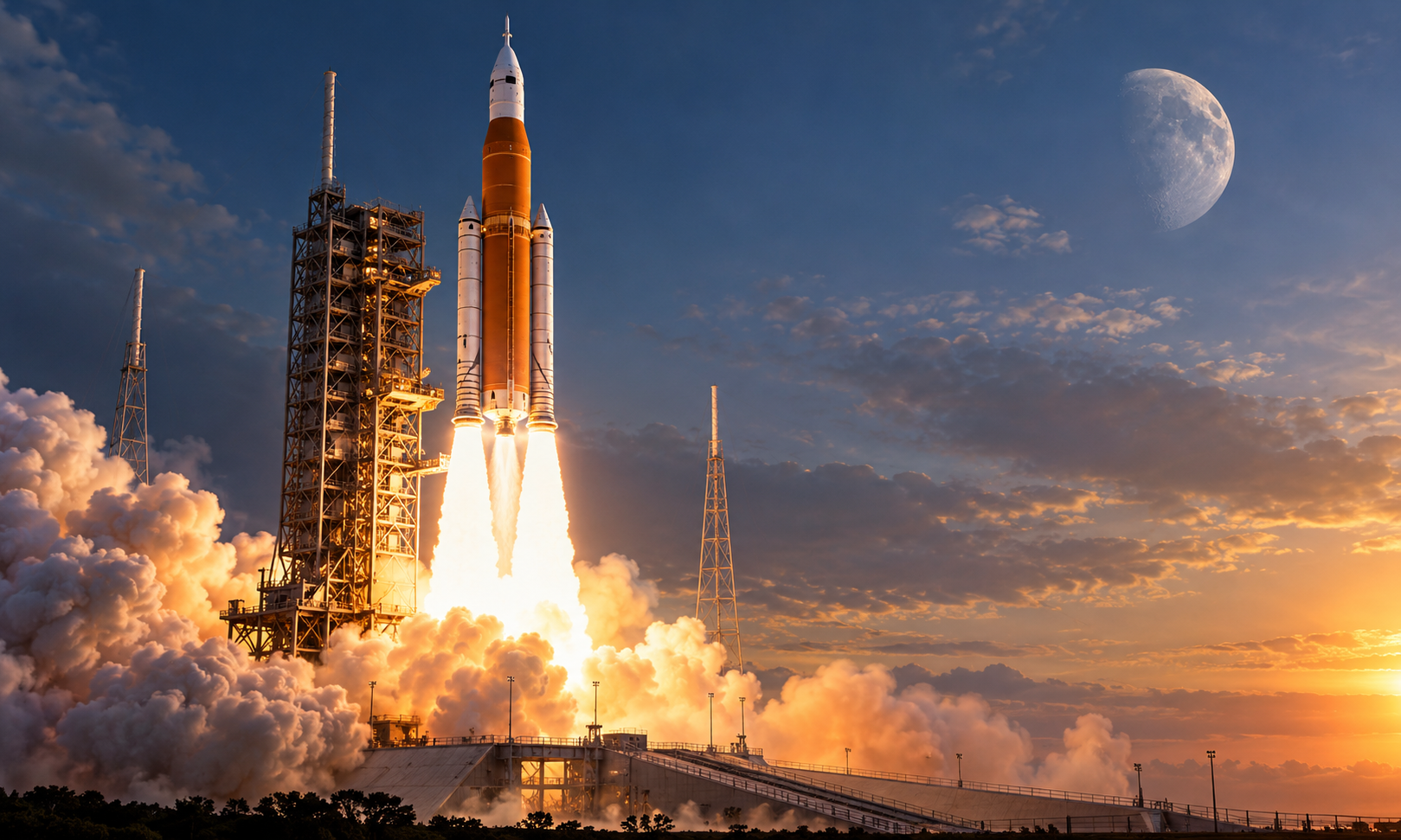
NASA 透過阿提米絲計畫(Artemis),推動人類重返月球,並為未來火星探索建立技術基礎。太空發射系統(SLS)與獵戶座(Orion)太空船,是計畫的重要核心。阿提米絲二號已於 2026 年 4 月 1 日發射,完成載人繞月飛行,並於 4 月 10 日返回地球,為後續任務累積經驗。NASA 持續與國際夥伴合作,準備未來月面科學活動及長期探索所需的系統;這些目標仍須透過嚴謹測試與逐步驗證實現。
NASA’s Artemis program advances a human return to the Moon and develops technologies for future Mars exploration. The Space Launch System (SLS) and Orion spacecraft are central to this effort. Artemis II launched on April 1, 2026, completed a crewed lunar flyby and returned to Earth on April 10, providing experience for subsequent missions. NASA continues working with international partners to prepare systems for future lunar surface science and sustained exploration; achieving these goals requires rigorous testing and step-by-step validation.