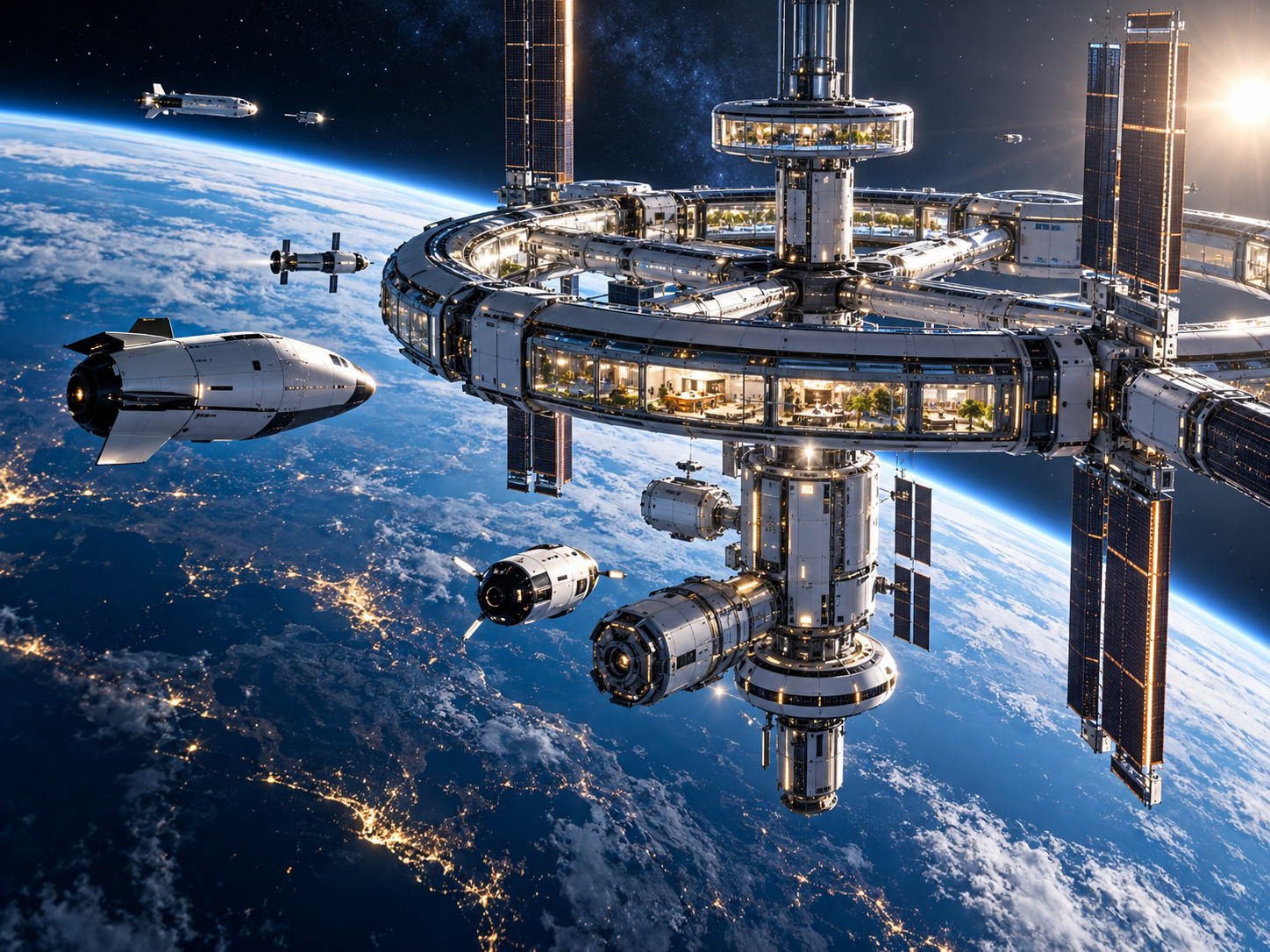
太空站與微重力研究Space Stations & Microgravity Research
在無重力的環境中,探索科學新知,創造人類更美好的未來。Exploring new frontiers in science, creating a brighter future for humanity.
太空站:人類在太空的家Space Stations: Humanity’s Home in Space
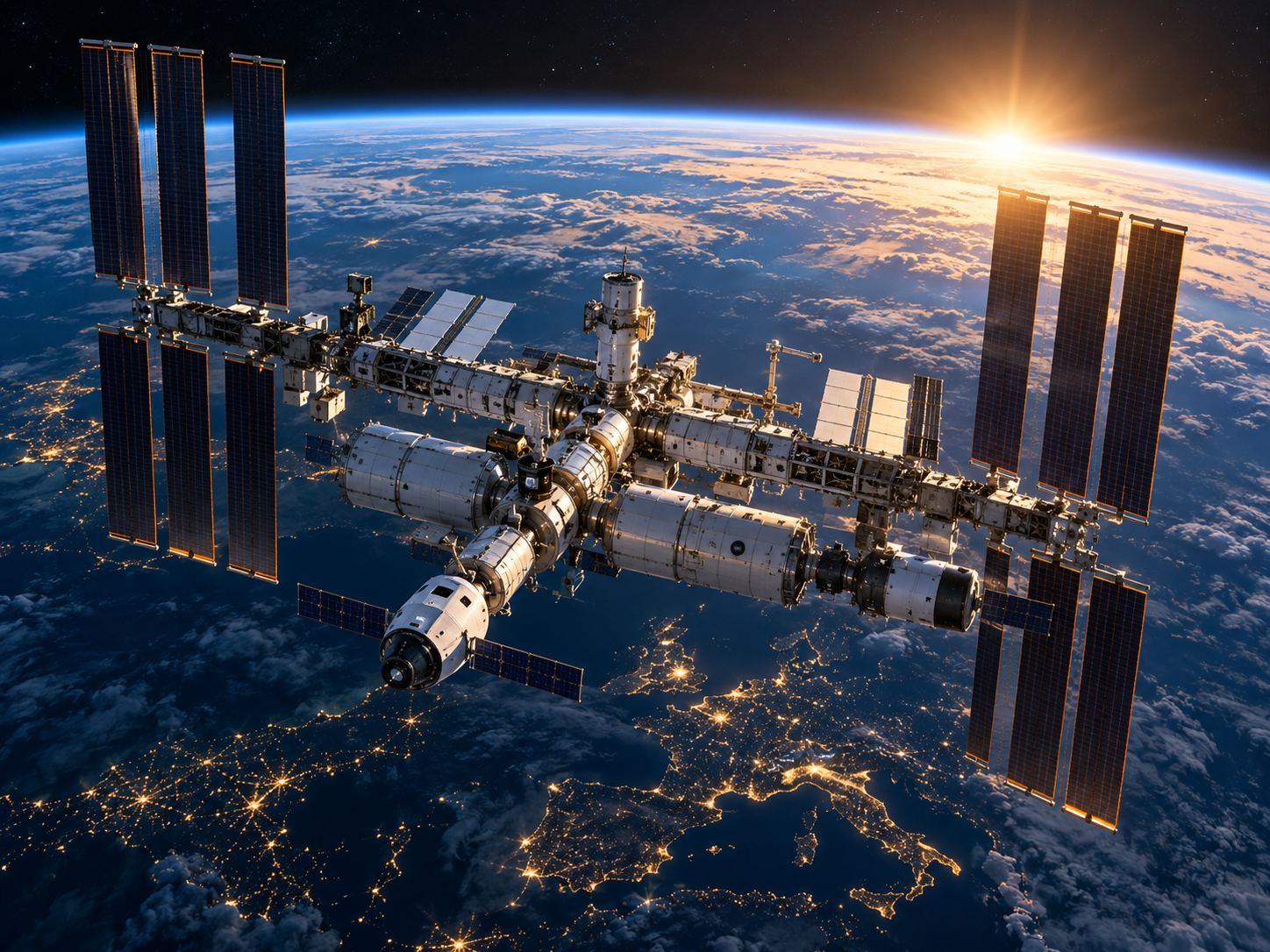
國際太空站(ISS)是目前人類在太空中最重要的科研基地,自1998年開始組裝,至今持續運作,成為多國合作的象徵。太空站在距離地球約400公里的軌道上,以每小時約28,000公里的速度繞行地球,提供長期的微重力環境,讓太空人進行各種科學實驗,並測試未來深空探索所需的技術。
The International Space Station (ISS) has been a key platform for scientific research since 1998. Orbiting about 400 kilometers above Earth at 28,000 km/h, it provides a long-term microgravity environment for astronauts to conduct experiments and test technologies for future deep-space exploration.
微重力環境:獨特的科學實驗室Microgravity: A Unique Scientific Laboratory
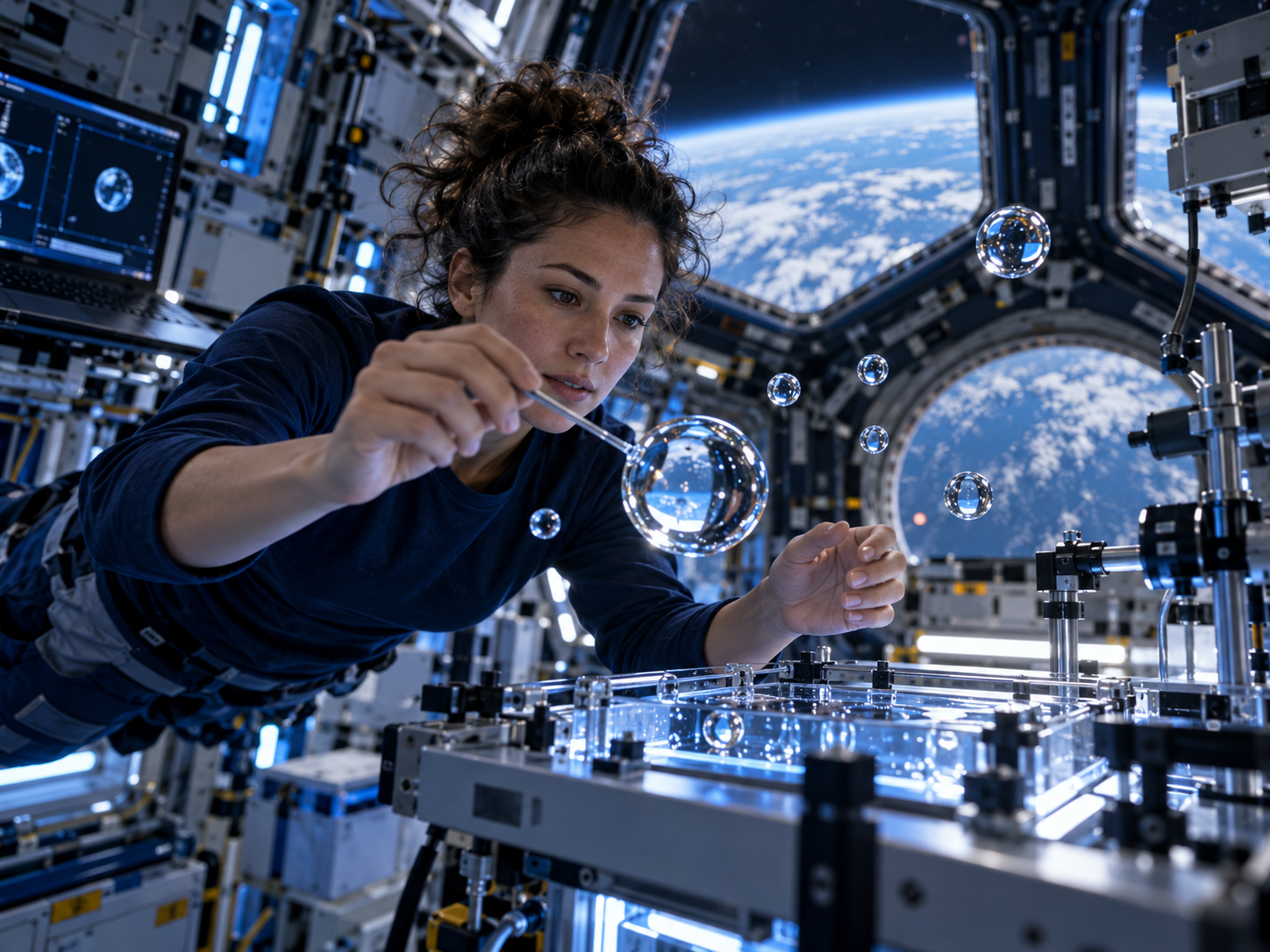
在微重力環境下,物體不再受到地球重力的影響,呈現漂浮狀態。這種特殊條件讓科學家能夠觀察到地球上無法進行的實驗,例如:蛋白質結晶、新材料研究、流體行為、燃燒特性以及植物生長等。這些研究成果不僅有助於太空探索,也能應用於醫學、能源、環保與高科技產業,為地球上的生活帶來實際效益。
In microgravity, objects float and behave differently without Earth’s gravity. This unique environment enables experiments in protein crystallization, new materials, fluid dynamics, combustion, and plant growth. The results not only support space exploration but also bring real-world benefits in medicine, energy, environmental protection, and high technology.
生命科學與健康:為太空與地球而研究Life Sciences and Health: Advancing Space and Earth
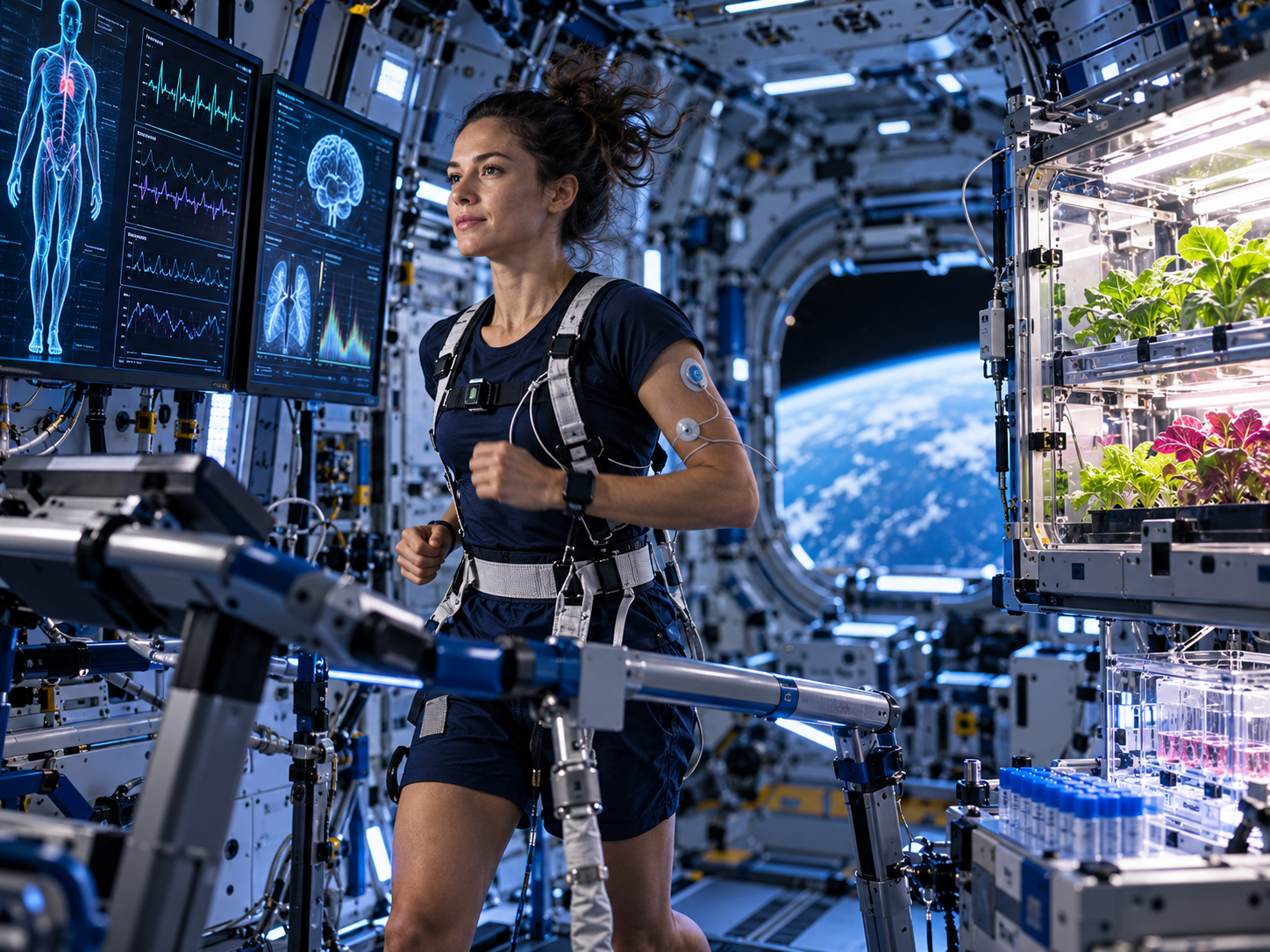
微重力會影響人體的骨骼、肌肉、心血管與免疫系統,因此太空站也是研究人類長期太空生活的重要平台。科學家透過太空人的身體變化,了解如何預防骨質流失、肌肉萎縮等問題,為未來的月球與火星任務做準備。同時,這些研究也有助於地球上的高齡醫學、骨骼健康與復健治療。
Microgravity affects the human body, including bones, muscles, cardiovascular and immune systems. Research on the ISS helps us understand how to prevent bone loss and muscle atrophy, preparing for future lunar and Mars missions. These findings also contribute to aging medicine, bone health, and rehabilitation on Earth.
未來展望:商業太空站與更多可能The Future: Commercial Space Stations and Beyond
隨著太空科技的進步,未來將出現更多由民間企業建造的商業太空站,提供科研、太空旅遊、製造與教育等多元應用。微重力環境將推動科學突破,並為人類開啟更廣闊的太空生活圈。從近地軌道到月球基地,太空站將成為連接地球與更遙遠宇宙的重要樞紐,讓人類在太空的可能性不斷擴大。
With advancing space technology, commercial space stations will offer new opportunities in research, space tourism, manufacturing, and education. Microgravity will continue to drive scientific breakthroughs, expanding human presence from low Earth orbit to lunar bases and beyond.