飛機結構設計Aircraft Structural Design
從材料到結構,打造更安全、更輕量、更高效的飛機From materials to structures, building safer, lighter, and more efficient aircraft.
機體結構設計Airframe Structural Design
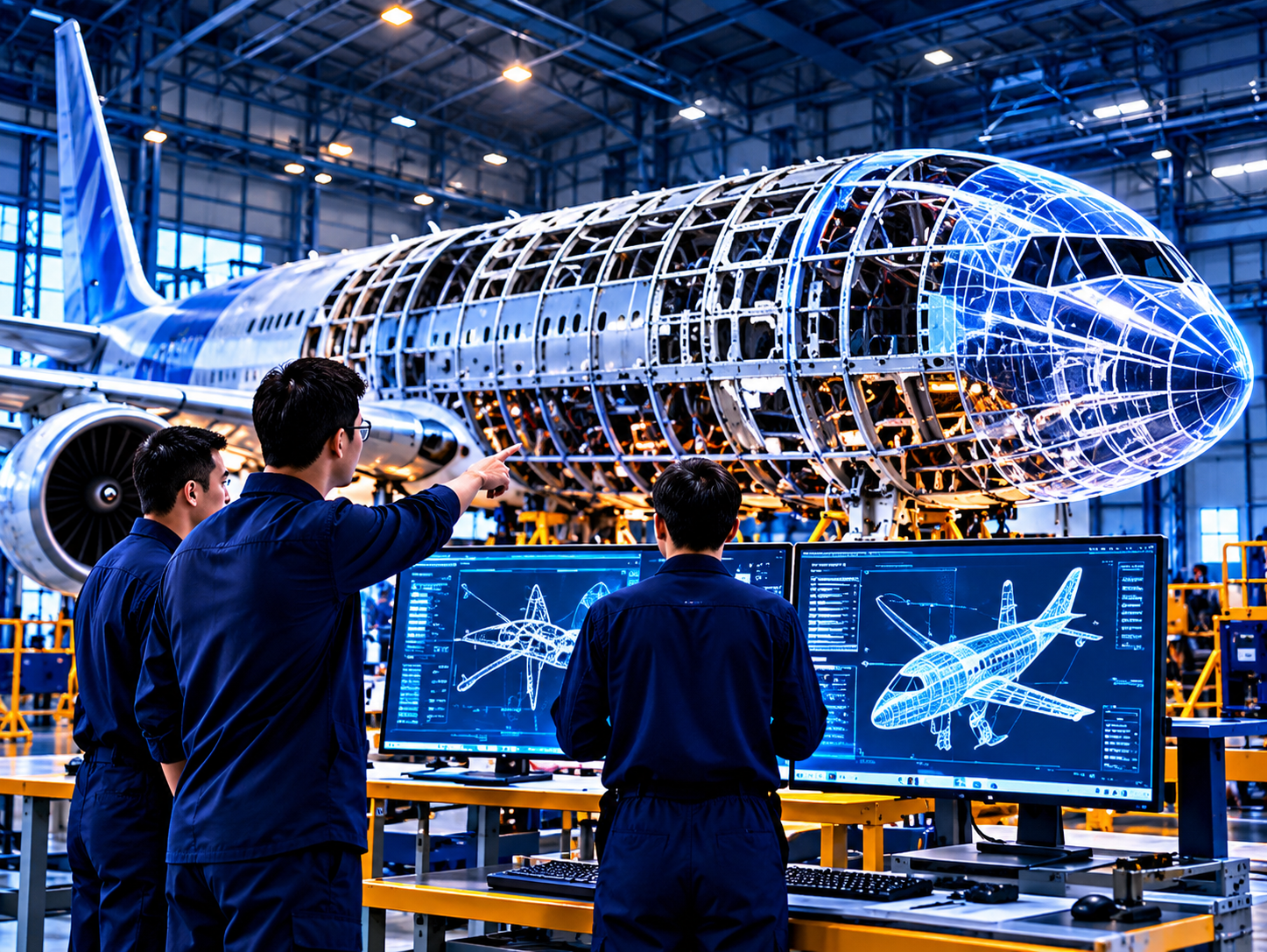
飛機結構設計是航空工程的基礎,核心任務是在安全、重量、效率與成本之間取得平衡。工程團隊必須規劃機身、機翼、尾翼與起落架等主要結構,使飛機在起飛、巡航、降落與長時間服役的過程中,能承受各種氣動力、壓力與震動變化。良好的結構設計不只影響飛行穩定性,也直接關係到燃油效率、航程表現與乘客舒適度,因此是飛機研發中最關鍵的環節之一。
An aircraft's structural design forms the foundation of aviation engineering. Its mission is to balance safety, weight, efficiency, and cost. Engineers must plan the fuselage, wings, tail, and landing gear so the aircraft can withstand aerodynamic forces, pressure changes, and vibration throughout takeoff, cruise, landing, and long service life. Strong structural design supports flight stability while also influencing fuel efficiency, range, and passenger comfort, making it one of the most critical parts of aircraft development.
材料與結構技術Materials & Structural Technology
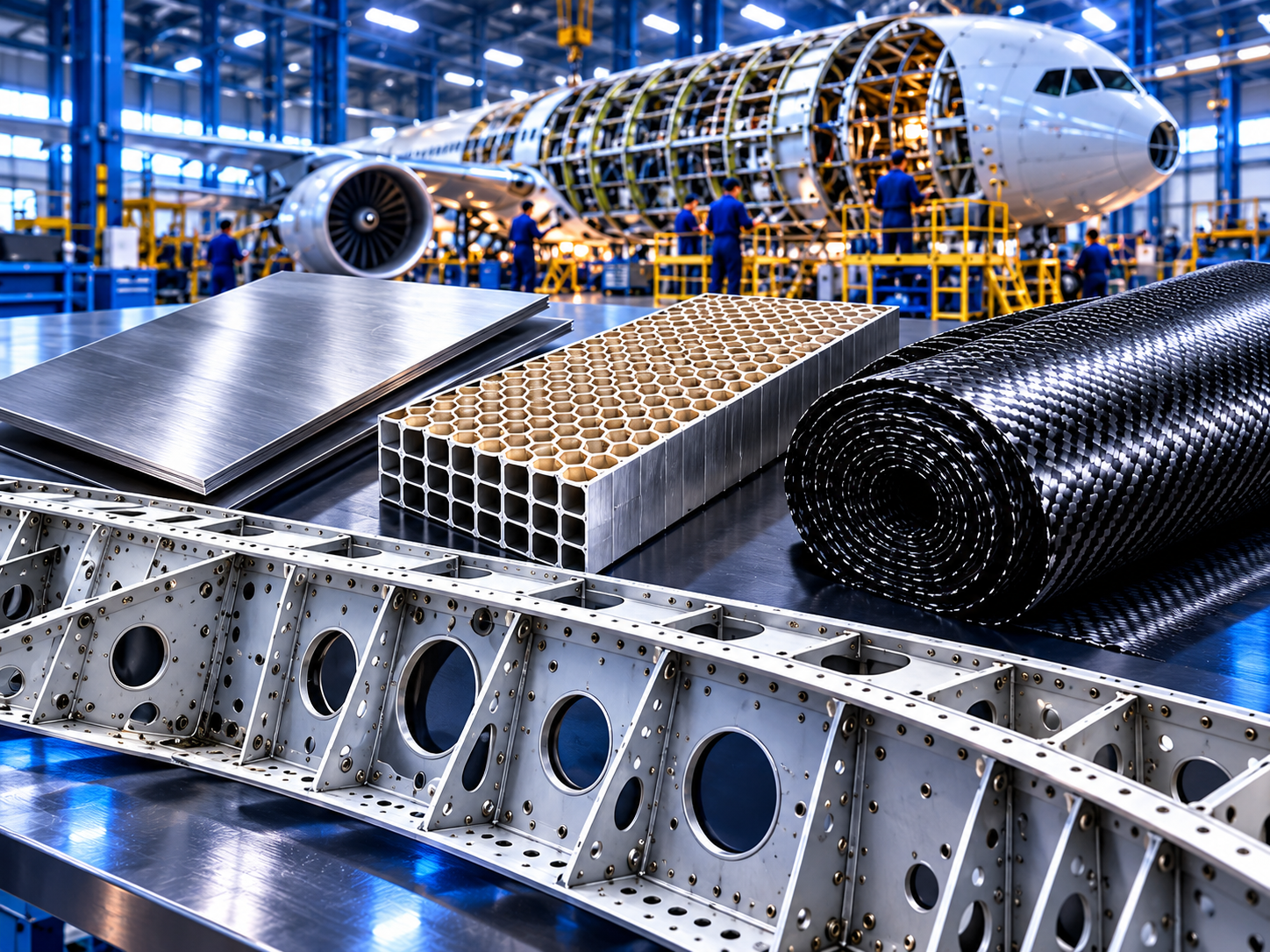
隨著航空科技進步,飛機結構材料已從傳統鋁合金逐步發展到鈦合金、蜂巢夾層與碳纖維複合材料。這些材料兼具高強度、耐腐蝕與輕量化優點,有助於降低機體重量並提升整體性能。除了材料選擇,結構設計還包含接合方式、受力分布與疲勞壽命的考量。透過先進製造技術與精密加工,工程師能打造更穩定、更耐用的機體,讓現代飛機在安全與效率之間達到更高水準。
As aviation advances, aircraft structures have evolved from traditional aluminum alloys to titanium alloys, honeycomb sandwich structures, and carbon-fiber composites. These materials offer high strength, corrosion resistance, and reduced weight, helping improve performance while lowering structural mass. Structural technology also includes joining methods, load distribution, and fatigue-life considerations. Through advanced manufacturing and precision fabrication, engineers can build airframes that are more stable and durable, allowing modern aircraft to reach higher standards of safety and efficiency.
結構分析與測試Structural Analysis & Testing
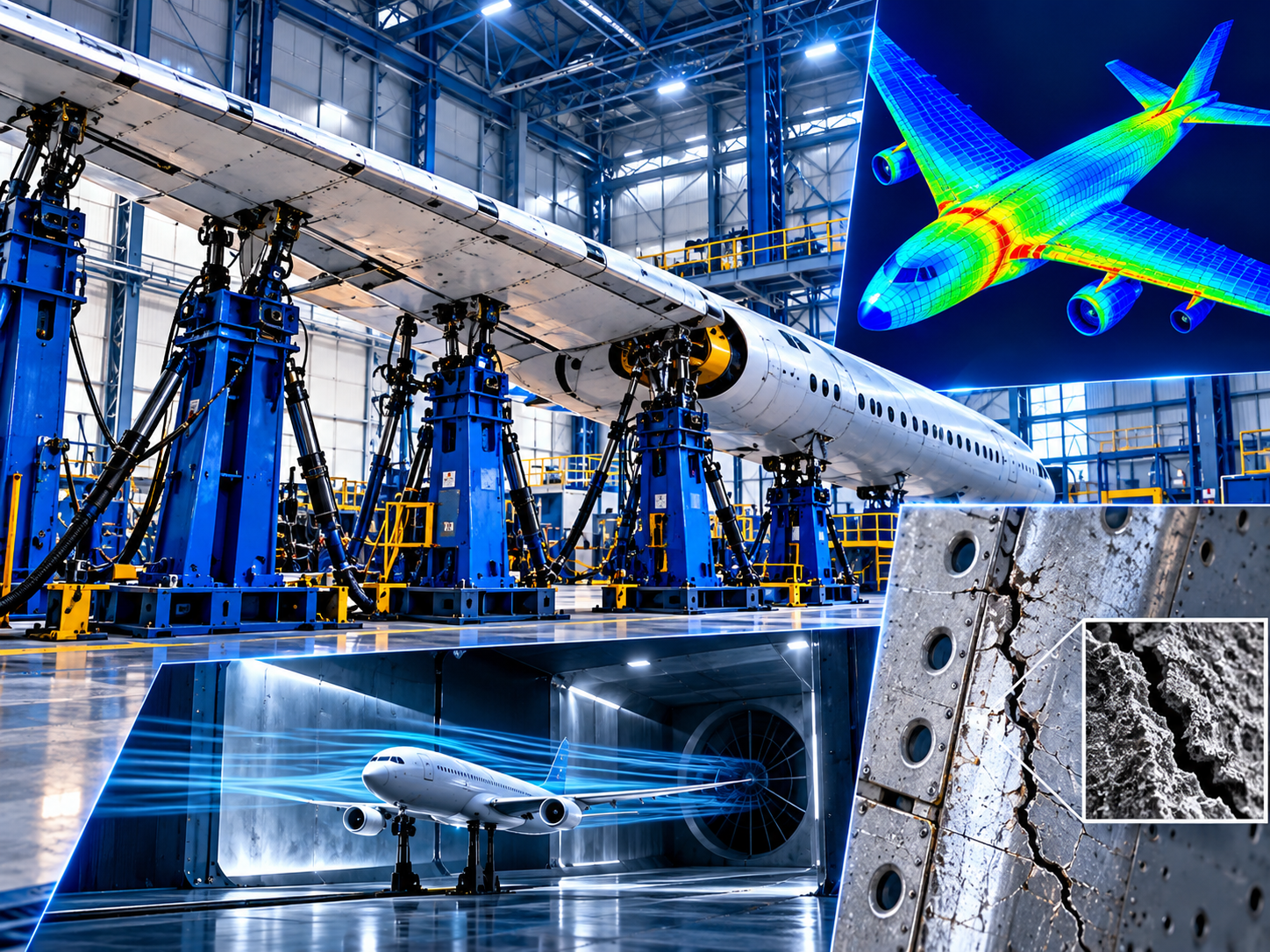
在設計完成之前,飛機結構必須經過嚴格的分析與驗證。工程師會利用電腦模擬、有限元素分析、風洞研究與地面測試,評估不同結構在各種飛行情境下的受力情況,並確認是否符合國際安全規範。從機翼彎曲、艙壓循環,到材料裂縫與疲勞破壞的觀察,每一項測試都與飛行安全直接連結。這些驗證流程能提前找出潛在風險,降低故障機率,並提升飛機在實際運行中的可靠性。
Before an aircraft enters service, its structure must undergo strict analysis and validation. Engineers use computer simulation, finite-element analysis, wind-tunnel studies, and ground testing to evaluate how structures respond under many flight conditions and whether they meet international safety standards. From wing bending and cabin pressure cycles to crack inspection and fatigue behavior, every test is directly connected to flight safety. These verification processes help identify potential risks early, reduce the chance of failure, and improve reliability in real-world operations.
創新設計與未來應用Innovative Design & Future Applications
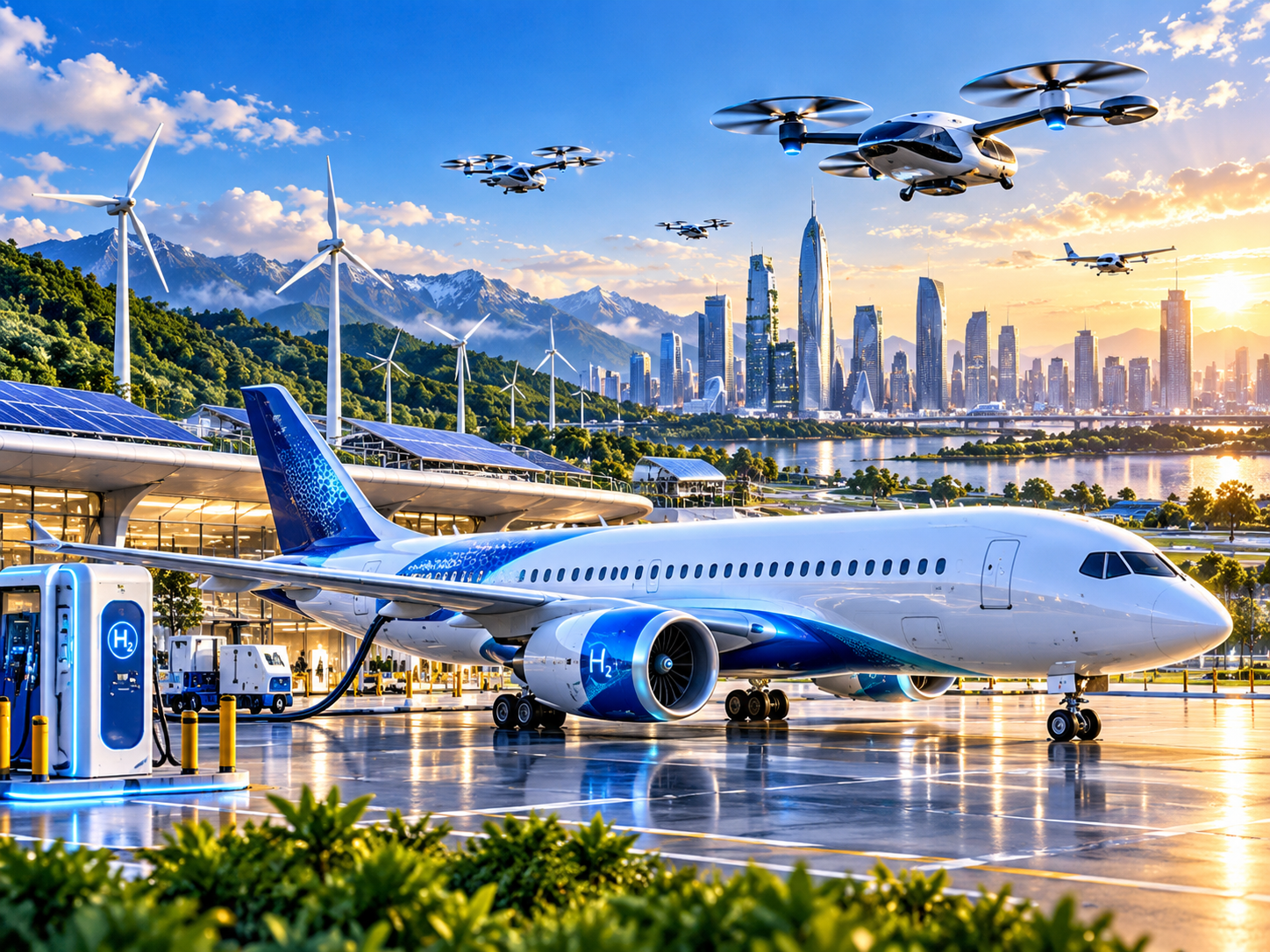
未來的飛機結構設計,將朝向更智慧、更環保與更高效率的方向發展。新一代工程技術正結合數位設計、自動化製造、感測監測與永續材料,讓機體不僅更輕,也更容易維修與管理。面對低碳航空、電動飛行與新型空中運輸的需求,飛機結構將不再只是支撐機體的骨架,而會成為整體性能與能源效率的重要平台。透過持續創新,航空工程將為未來交通開啟更安全、更潔淨的可能性。
The future of aircraft structural design is moving toward smarter, greener, and more efficient solutions. New engineering approaches combine digital design, automated manufacturing, sensing and monitoring, and sustainable materials so aircraft can become lighter, easier to maintain, and better managed. As low-carbon aviation, electric flight, and new air-mobility systems continue to grow, structure will no longer be only the skeleton of the aircraft; it will become a key platform for performance and energy efficiency. Through continued innovation, aviation engineering can open the door to safer and cleaner transportation.