
發動機與推進系統Engines & Propulsion Systems
從推力核心到未來能源,驅動更高效、更安全、更永續的飛行From thrust generation to future energy systems, enabling more efficient, safer, and more sustainable flight.
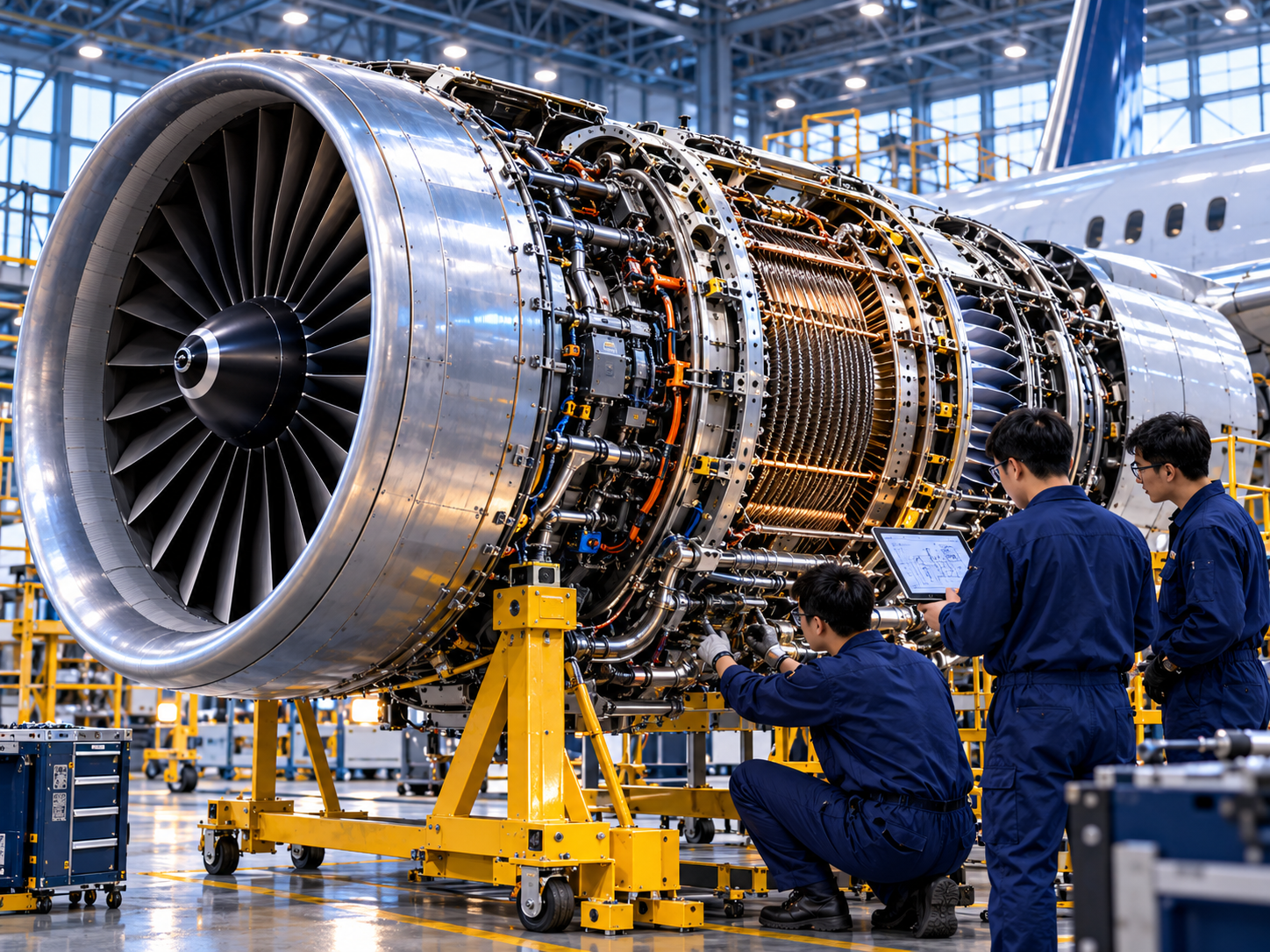
航空發動機的核心原理Core Principles of Aircraft Engines
飛機發動機是航空科技最重要的核心系統之一,負責產生推力,使飛機能夠起飛、爬升、巡航與安全飛行。現代大型民航機主要採用渦輪扇發動機,其運作原理是透過進氣、壓縮、燃燒與排氣等連續過程,將燃料的化學能轉換為推進動力。大型風扇使大量空氣向後加速,產生飛機前進所需的推力,而核心機則提供驅動風扇的能量。相較於早期噴射發動機,現代高涵道比渦輪扇發動機具有較佳的燃油效率與較低的噪音。
Aircraft engines are among the most essential systems in aviation technology. They generate the thrust required for takeoff, climb, cruise, and safe flight. Modern commercial aircraft primarily use turbofan engines, which convert the chemical energy of fuel into propulsive power through air intake, compression, combustion, and exhaust. A large fan accelerates air backward to produce forward thrust, while the engine core provides the energy needed to drive the fan. Compared with earlier jet engines, modern high-bypass turbofan engines offer improved fuel efficiency and lower noise.
渦輪技術與精密工程Turbine Technology & Precision Engineering
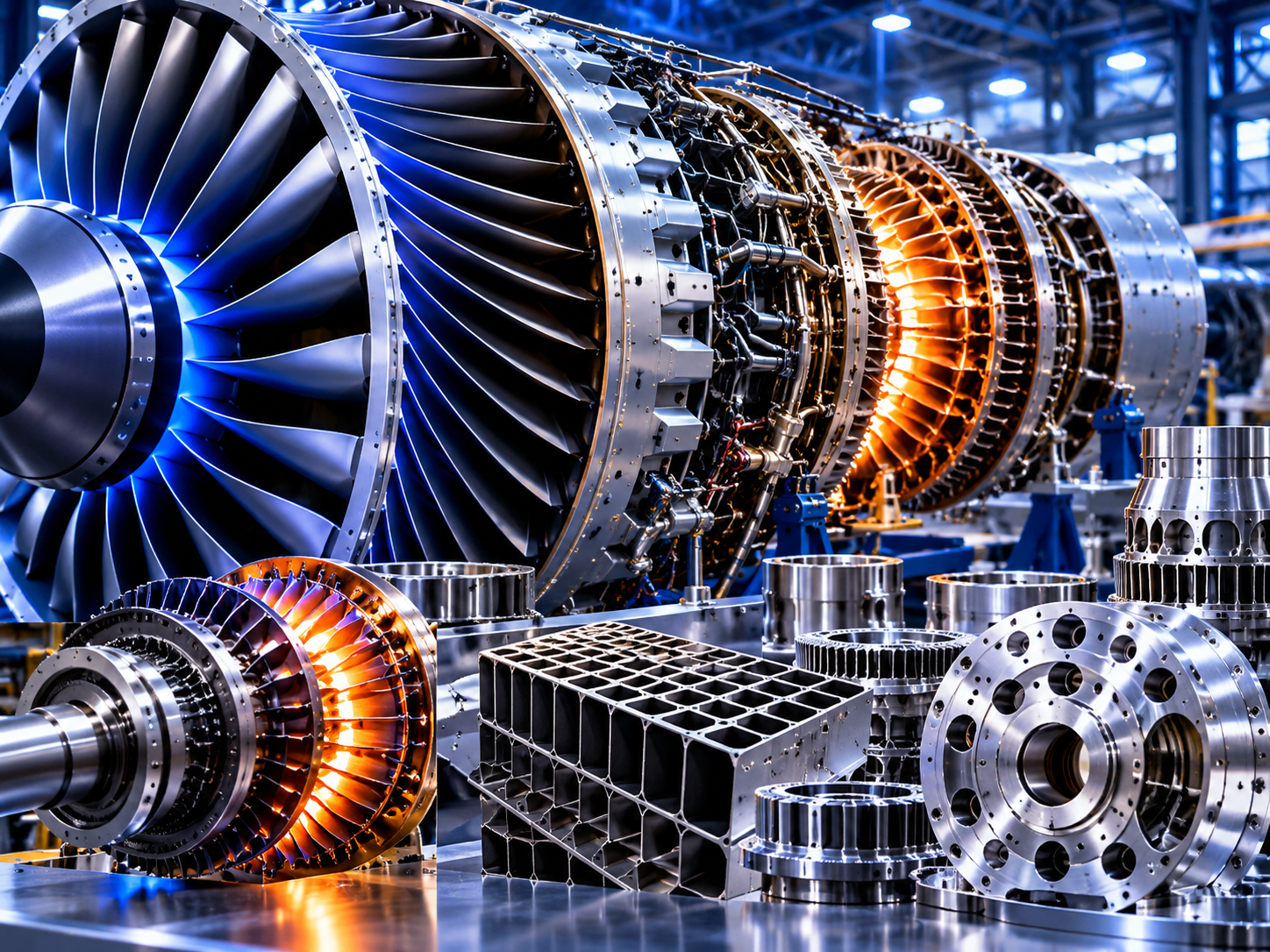
航空發動機內部由風扇、壓縮機、燃燒室、渦輪及排氣系統等精密組件構成。當空氣進入發動機後,壓縮機將空氣壓縮,再與燃料混合燃燒,形成高溫高壓氣流,推動渦輪旋轉,並透過傳動軸帶動前方的壓縮機與風扇。由於發動機長時間處於極高溫度、壓力與轉速環境,零組件必須具備優異的耐熱性、強度及可靠性。現代航空工業廣泛運用鎳基超合金、陶瓷基複合材料、精密鑄造與先進冷卻技術,提升發動機的工作效率與使用壽命。
Aircraft engines consist of highly sophisticated components, including fans, compressors, combustion chambers, turbines, and exhaust systems. As air enters the engine, it is compressed and mixed with fuel before combustion produces high-temperature, high-pressure gases. These gases drive the turbine, which powers the compressor and fan through connecting shafts. Because aircraft engines operate under extreme temperatures, pressures, and rotational speeds, their components must demonstrate exceptional heat resistance, strength, and reliability. Modern aviation engineering uses nickel-based superalloys, ceramic matrix composites, precision casting, and advanced cooling technologies to improve engine efficiency and service life.
高效率推進與飛航安全Efficient Propulsion & Flight Safety
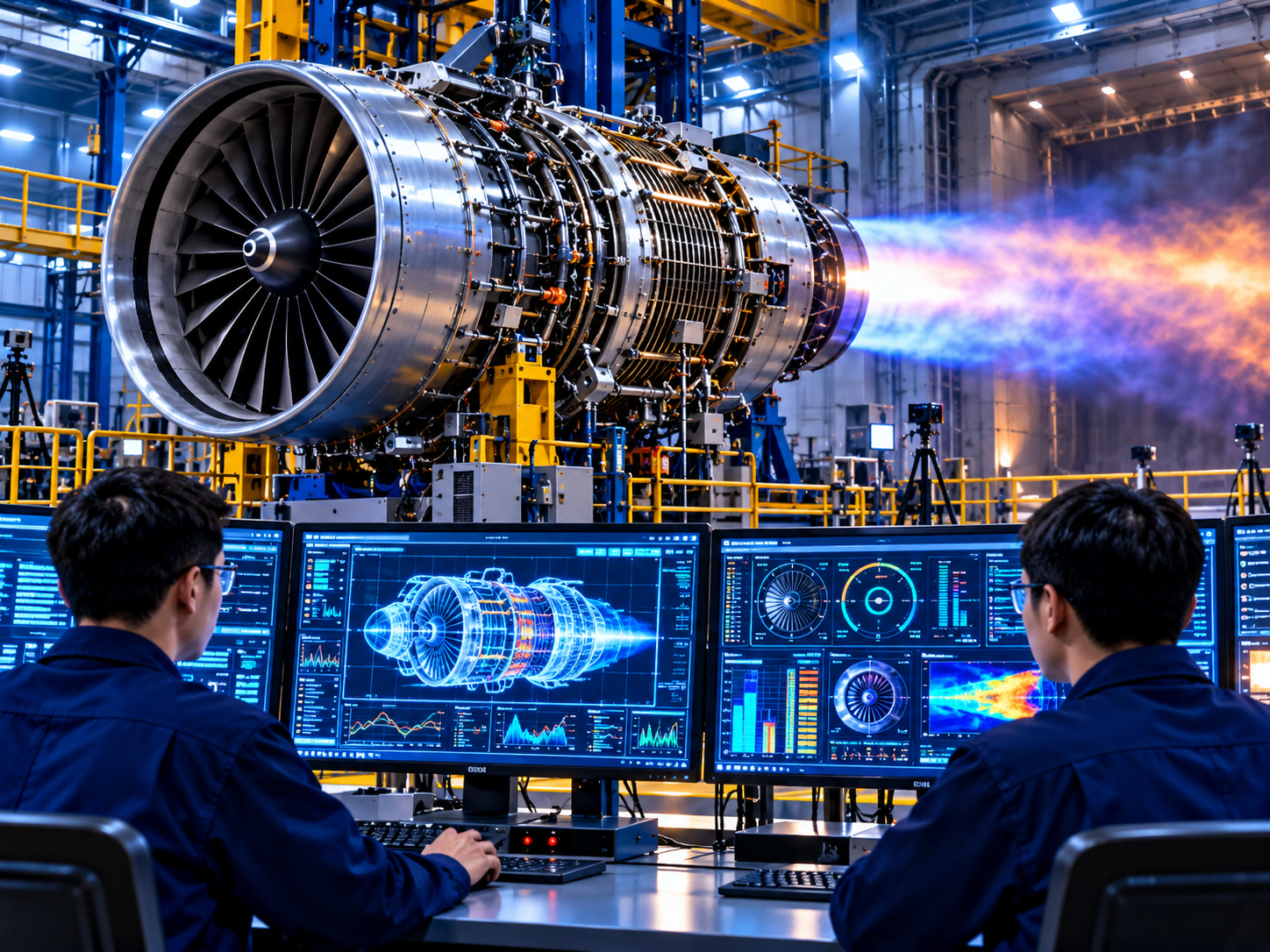
在全球航空運輸持續發展的背景下,如何降低燃油消耗、碳排放與噪音,已成為發動機設計的重要方向。新世代發動機透過提高涵道比、改善壓縮效率、優化燃燒技術及降低機械損失,提升整體推進效率。同時,數位化控制系統能即時調整燃油供應與運轉參數,使發動機在不同飛行條件下維持穩定性能。透過感測器、數據分析與預測性維修技術,工程團隊也能持續監測發動機健康狀態,及早辨識潛在異常,降低非預期故障風險。
As global air transportation continues to expand, reducing fuel consumption, carbon emissions, and noise has become a major priority in engine development. Next-generation engines improve propulsion efficiency through higher bypass ratios, more effective compression, optimized combustion, and reduced mechanical losses. Digital engine control systems continuously adjust fuel delivery and operating parameters to maintain stable performance under varying flight conditions. Sensors, data analytics, and predictive maintenance technologies also help engineers monitor engine health, identify abnormalities, and reduce the risk of unexpected failures.
未來航空推進技術的發展Future Aircraft Propulsion Technologies
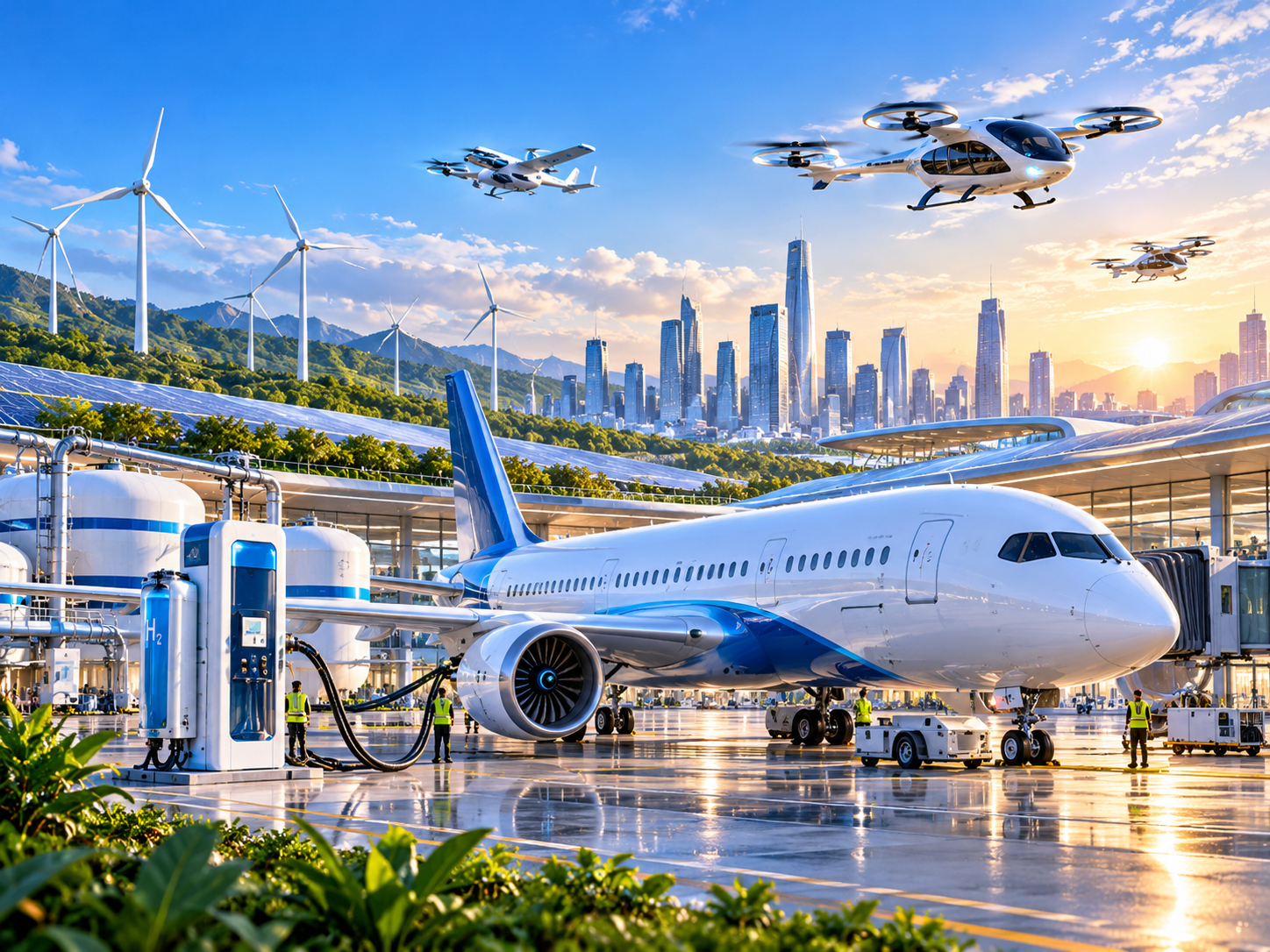
面對航空產業追求淨零排放的長期目標,未來推進系統正朝向多元能源與創新架構發展。永續航空燃料(SAF)可在符合技術規範的條件下應用於現有航空發動機,是近期降低航空生命週期碳排放的重要途徑。另一方面,混合電力推進、純電動飛行及氫能動力也持續受到研究與測試。隨著新材料、智慧控制與能源技術進步,未來的航空發動機將不只是產生推力的機械設備,更將成為高效率、智慧化與永續航空的重要基礎。
As the aviation industry pursues its long-term goal of net-zero emissions, future propulsion systems are evolving toward diversified energy sources and innovative architectures. Sustainable Aviation Fuel (SAF) offers an important near-term pathway for reducing lifecycle carbon emissions. Meanwhile, hybrid-electric propulsion, fully electric flight, and hydrogen-powered systems remain active areas of research and testing. With continued progress in advanced materials, intelligent control, and energy technologies, future aircraft engines will become more than machines that generate thrust—they will serve as essential foundations for efficient, intelligent, and sustainable aviation.
推力・效率・永續Thrust · Efficiency · Sustainability