航電與飛行控制Avionics & Flight Control
以智慧科技掌控飛行,打造更安全、更精準、更高效的航空運輸。Harnessing intelligent technology for safer, more precise, and more efficient flight.
航電系統:飛機的智慧核心Avionics Systems: The Intelligent Core of Aircraft
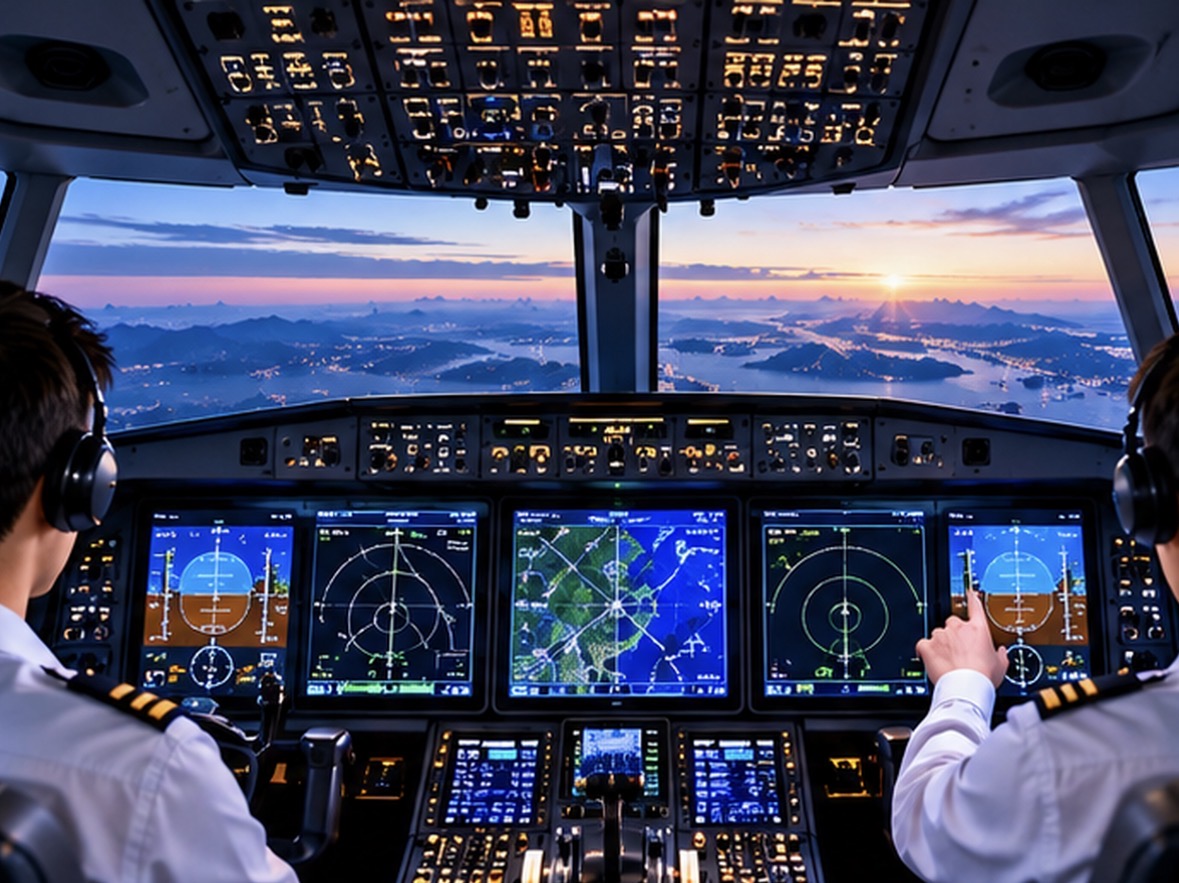
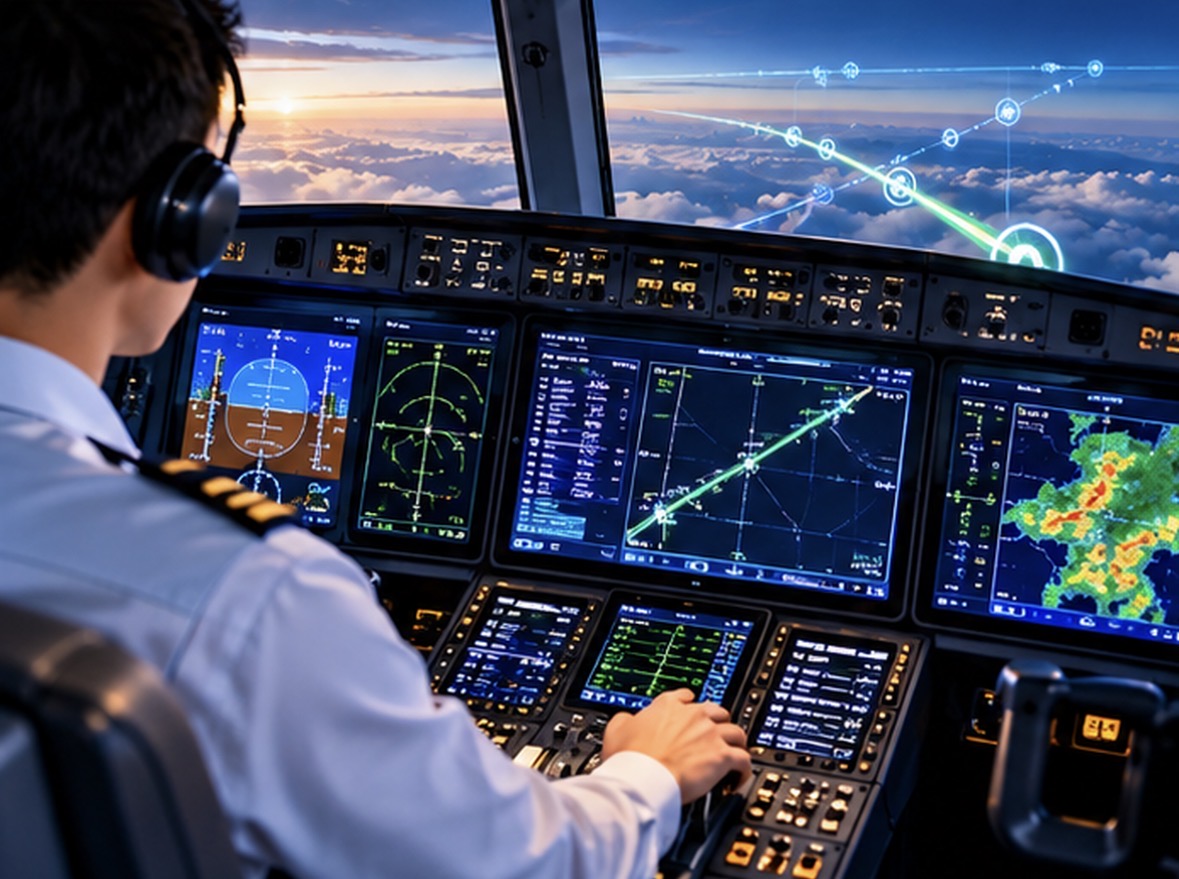
航電系統(Avionics)是現代飛機的電子科技核心,整合導航、通訊、飛行管理、監控顯示與各類感測設備,協助飛行員掌握飛機狀態及外部環境。早期駕駛艙主要依靠機械式儀表,如今已逐漸發展為數位化的玻璃座艙,透過多功能顯示器集中呈現高度、速度、航向、姿態及系統資訊。現代航電設備還能結合衛星導航、慣性導航及地面導航設施,提升定位精度與飛行效率。航電系統不僅是資訊顯示工具,更是整合飛行資料、支援操作判斷的重要平台。隨著電子技術持續進步,飛機正朝向更智慧化、更精確且更可靠的方向發展。
Avionics systems are the electronic core of modern aircraft, integrating navigation, communication, flight management, monitoring and display, and various sensors. They help pilots understand the aircraft’s status and the external environment. Early cockpits relied on mechanical instruments, whereas today’s digital glass cockpits present altitude, speed, heading, attitude, and system information on multifunction displays. Modern avionics also integrate satellite navigation, inertial navigation, and ground-based systems, improving positioning accuracy and flight efficiency. Avionics are not only display tools but also an essential platform for integrating flight data and supporting operational decisions. With continuous advancements in electronic technology, aircraft are moving toward smarter, more precise, and more reliable flight systems.
飛行控制系統:精準操控與穩定飛行Flight Control Systems: Precise Control and Stable Flight
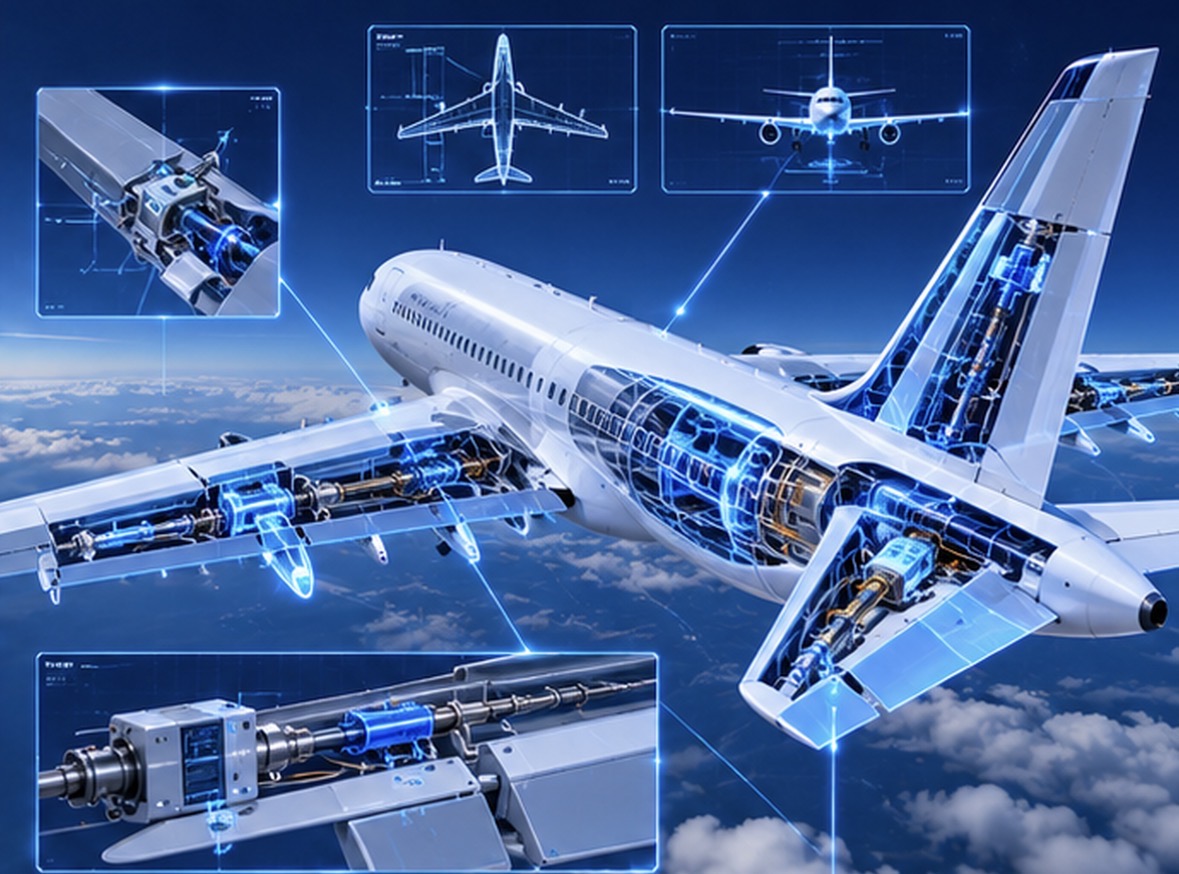
飛行控制系統負責管理飛機的俯仰、滾轉與偏航,使飛機能依照飛行員的操作指令安全改變姿態與航向。傳統飛機透過鋼索、連桿及液壓系統傳遞控制指令,現代大型民航機則廣泛採用電傳飛控技術(Fly-by-Wire),將操縱訊號轉換為電子指令,再由飛行控制電腦計算並驅動相關控制面。這套技術能整合感測器資料,提供飛行穩定性增強及特定飛行包線保護功能,降低部分操作風險。飛行控制設計也必須考慮不同飛行階段、氣流擾動及設備異常等情況,因此通常配置多重備援系統,讓飛機在部分設備故障時,仍能維持必要的操控能力。
Flight control systems manage the aircraft’s pitch, roll, and yaw, enabling safe changes in attitude and direction according to the pilot’s commands. Traditional aircraft use cables, linkages, and hydraulic systems, while modern commercial aircraft widely adopt fly-by-wire technology, which converts control inputs into electronic signals processed by flight control computers to drive the control surfaces. These systems integrate sensor data to provide enhanced flight stability and flight-envelope protection, reducing some operational risks. Flight control design must also consider different flight phases, air turbulence, and equipment abnormalities. Multiple redundant systems are therefore typically implemented so the aircraft can maintain essential control capability even if some components fail.
自動駕駛與智慧飛行管理Autopilot and Intelligent Flight Management
自動駕駛系統是現代民航機的重要輔助技術,能依照飛行員設定的目標,自動控制航向、高度、速度相關指令及部分飛行階段的操作。飛行管理系統(FMS)則整合航路、導航資料、飛行性能與燃油規劃,協助飛行員選擇合適的飛行路徑,提高運作效率。兩者與導航設備及飛行控制系統協同運作,可減輕長途飛行中的工作負擔,並提高飛行操作的一致性。隨著數位運算、資料分析與人工智慧技術發展,未來智慧航電有望提供更完善的飛行情境分析、異常預警及決策支援。然而,自動化並不代表取代飛行員,飛行員仍須持續監控系統,並在必要時接管控制,維持飛航安全。
Autopilot systems are essential support technologies in modern commercial aircraft, automatically controlling heading, altitude, speed-related commands, and certain flight phases based on the pilot’s settings. The Flight Management System (FMS) integrates route planning, navigation data, aircraft performance, and fuel management, helping pilots select suitable flight paths and improve operational efficiency. Working together with navigation systems and flight control systems, these technologies reduce workload during long flights and improve consistency in operations. With advances in digital computing, data analytics, and artificial intelligence, future avionics may provide more comprehensive flight situation analysis, anomaly alerts, and decision support. However, automation does not replace pilots: pilots must continue to monitor the systems and take control when necessary to ensure flight safety.
新世代航電科技與飛航安全Next-Generation Avionics Technologies and Flight Safety
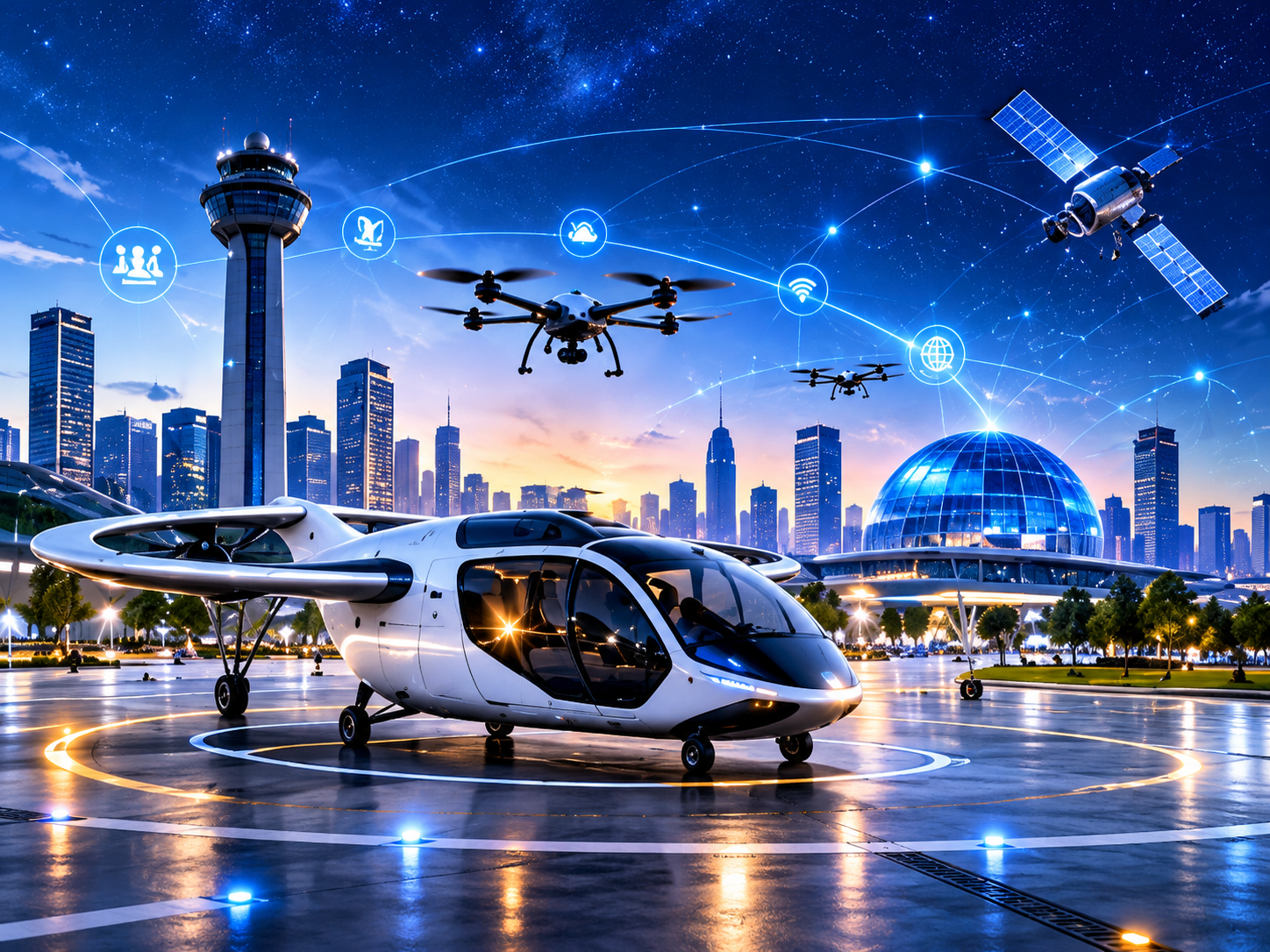
未來航電與飛行控制技術將朝向高度整合、智慧化及安全可靠的方向持續演進。新世代飛機透過更先進的感測器、數位通訊與整合式模組化航電架構,提高資訊處理能力,同時降低設備重量與維護複雜度。先進飛行控制技術也可配合新型飛機設計,應用於電動飛機、無人航空器及新興空中運輸系統。另一方面,隨著航空系統與數位網路的連結日益密切,資訊安全、軟體驗證、系統備援及故障容錯能力,也成為航空工程的重要課題。透過嚴格的設計、測試與適航認證,未來航電科技將持續提升飛行效率、操作精度及安全水準,為智慧航空奠定穩固基礎。
Future avionics and flight control technologies will continue to evolve toward greater integration, intelligence, and reliability. Next-generation aircraft employ more advanced sensors, digital communication, and integrated modular avionics architectures to enhance data processing capabilities while reducing weight and maintenance complexity. Advanced flight control technologies can also be applied to electric aircraft, unmanned aerial vehicles, and emerging air-mobility systems. As aviation systems become increasingly connected through digital networks, cybersecurity, software verification, system redundancy, and fault tolerance have become critical engineering priorities. Through rigorous design, testing, and airworthiness certification, future avionics technologies can improve flight efficiency, operational precision, and safety, providing a solid foundation for intelligent aviation.