維修技術與飛航安全Maintenance Technology & Flight Safety
以專業維修與嚴謹管理,守護每一次飛行的安全With professional maintenance and rigorous management, we ensure the safety of every flight.
飛機維修:飛航安全的第一道防線Aircraft Maintenance: The First Line of Defense for Flight Safety
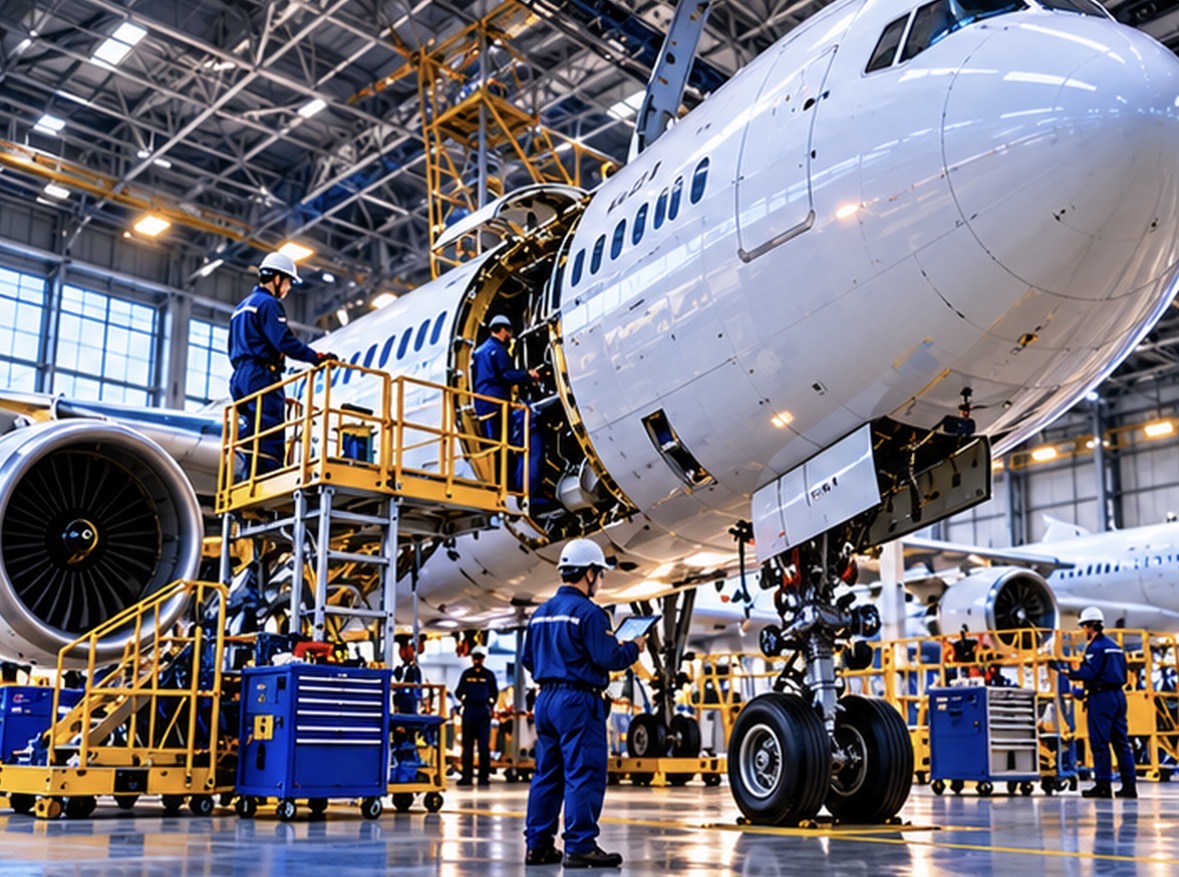
飛機維修是確保航空器持續適航與飛航安全的重要基礎。每一架民航機從投入營運開始,都必須依照核准的維修計畫,定期接受機體、發動機、航電設備與各項機械系統的檢查及保養。航空維修工作涵蓋例行檢查、故障排除、零件更換及大型結構檢修,不同項目依使用時間、飛行循環次數與技術要求安排執行。維修工程師除了必須具備專業知識,更需要遵循嚴格的作業程序、技術文件及品質管理制度。透過完整的維修紀錄與零件追溯機制,航空公司能持續掌握飛機的技術狀態,及早發現潛在問題。良好的維修制度不僅能延長航空器使用壽命,更是保障乘客與機組人員安全的第一道防線。
Aircraft maintenance is the essential foundation for ensuring airworthiness and flight safety. Every commercial aircraft must follow an approved maintenance program, with regular inspections and servicing of the airframe, engines, avionics, and all mechanical systems. Maintenance tasks include routine inspections, troubleshooting, component replacement, and major structural overhauls, scheduled according to flight hours, cycles, and technical requirements. Maintenance engineers must possess professional knowledge and strictly follow procedures, technical documents, and quality management systems. Through complete maintenance records and component traceability, airlines can continuously monitor the aircraft’s technical condition and identify potential issues early. A robust maintenance system not only extends the aircraft’s service life but also serves as the first line of defense in safeguarding the safety of passengers and crew.
先進檢測與智慧維修技術Advanced Inspection and Smart Maintenance Technologies
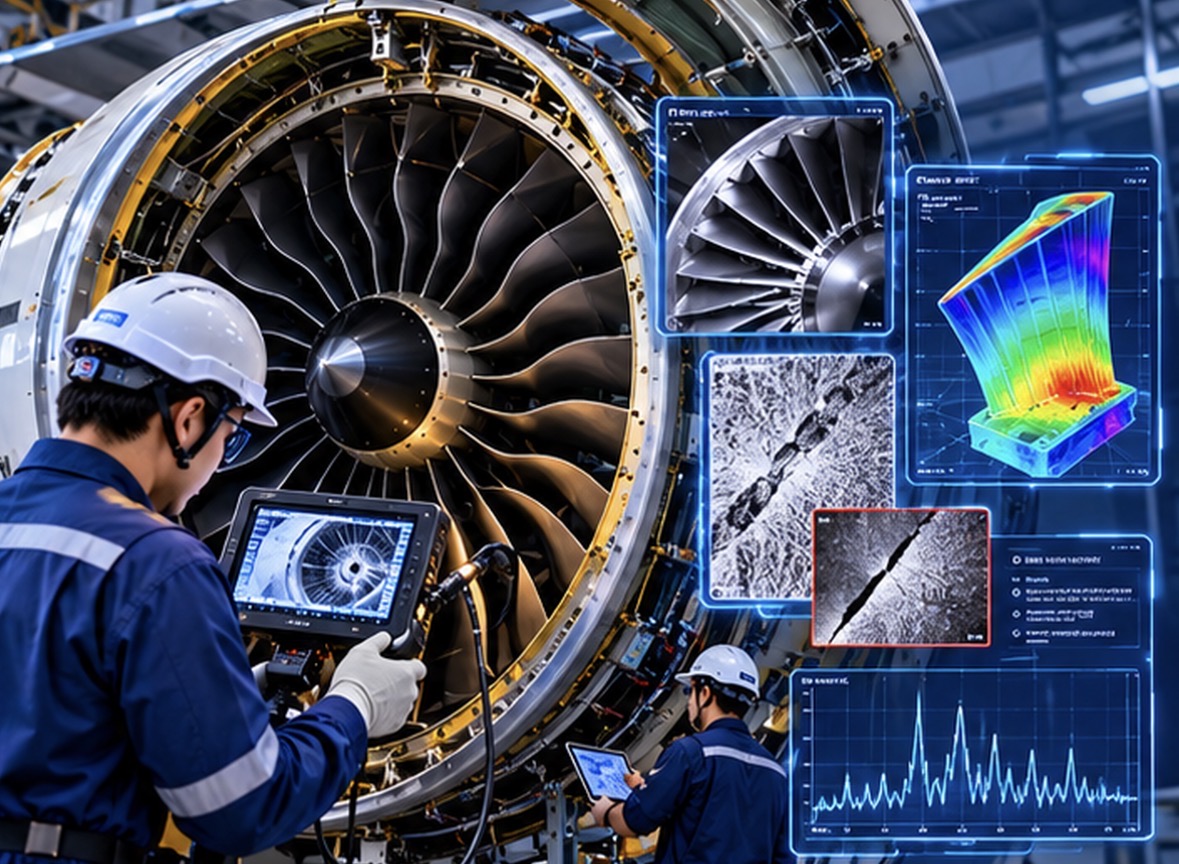
隨著航空科技進步,飛機維修已從傳統人工檢查,逐步發展為結合數位科技與精密設備的智慧化作業。現代航空維修廣泛採用超音波檢測、渦電流檢測、X光檢測及其他非破壞性檢測技術,在不損傷零件的情況下,辨識材料內部的裂紋、腐蝕與結構異常。工程團隊也可利用工業內視鏡檢查發動機內部,透過感測器與數據分析監測重要設備的運作狀態。近年來,人工智慧、數位分身與預測性維修技術逐漸受到重視,協助工程師分析設備劣化趨勢,安排更有效率的維修時機。這些創新工具能提高故障辨識能力、減少非預期停機,並讓維修工作朝向更精準、更安全的方向發展。
With advances in aviation technology, aircraft maintenance has evolved from traditional manual inspections to intelligent operations that integrate digital technologies and precision equipment. Modern maintenance widely uses ultrasonic testing, eddy current testing, X-ray inspection, and other non-destructive testing methods to detect internal cracks, corrosion, and structural anomalies without damaging components. Engineers can also use industrial borescopes to inspect engine internals and monitor critical equipment through sensors and data analysis. In recent years, artificial intelligence, digital twins, and predictive maintenance technologies have gained increasing attention, helping engineers analyze degradation trends and schedule maintenance more efficiently. These innovative tools enhance fault detection, reduce unexpected downtime, and drive maintenance toward greater accuracy and safety.
飛航安全管理與風險預防Aviation Safety Management and Risk Prevention
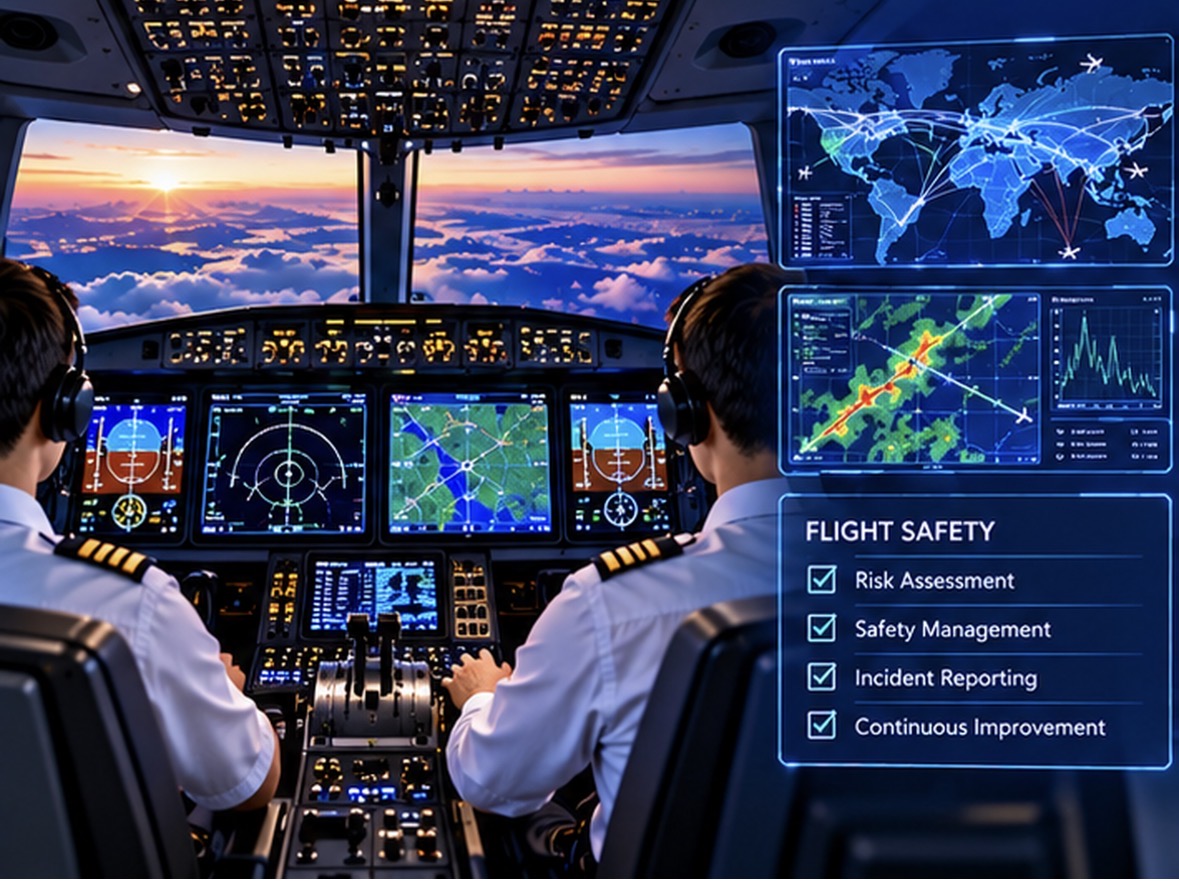
飛航安全不僅依賴飛機本身的設計與性能,更需要完整的安全管理制度與專業團隊共同維護。現代航空業透過安全管理系統(SMS),系統性找出營運風險、評估危害程度,並建立預防及改善措施。從飛行操作、維修管理、地面作業到空中交通管制,每個環節都可能影響整體安全。航空公司透過事件通報、飛航資料分析、內部稽核及人員訓練,持續改善作業流程。人為因素管理同樣重要,包括疲勞風險、團隊溝通與標準程序的落實。透過安全文化、跨部門合作及持續監督,航空產業能在事故發生之前辨識潛在危害,降低風險並提升整體飛航安全水準。
Flight safety depends not only on the aircraft’s design and performance but also on a comprehensive safety management system and a dedicated professional team. The aviation industry implements Safety Management Systems (SMS) to systematically identify operational risks, assess hazards, and establish preventive and improvement measures. Every stage—from flight operations and maintenance management to ground operations and air traffic control—can impact overall safety. Airlines continuously enhance processes through incident reporting, flight data analysis, internal audits, and personnel training. Human factors management is equally important, including fatigue risk, team communication, and adherence to standard procedures. Through a strong safety culture, cross-department collaboration, and continuous oversight, the aviation industry can identify potential hazards before accidents occur, reduce risks, and further improve flight safety.
未來航空維修與安全科技發展Future Maintenance and Safety Technologies
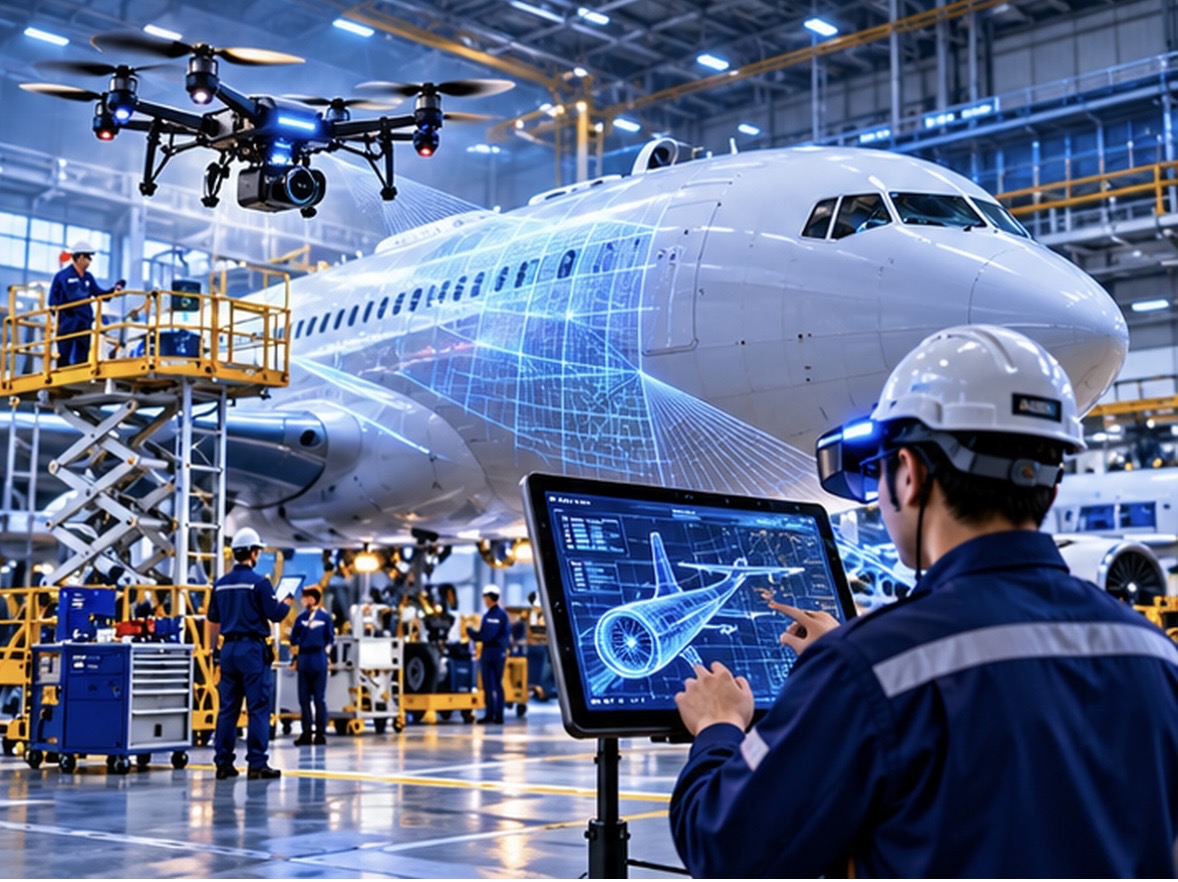
未來航空維修將朝向智慧化、自動化與數位整合持續發展。隨著新世代飛機搭載更多感測器,航空公司能透過即時健康監測系統掌握機體與發動機的運作狀況,並結合大數據分析預測可能的設備異常。無人機與機器視覺技術可協助檢查機身外部,擴增實境設備能提供維修人員即時的操作指引,提升工作效率與準確性。另一方面,電動飛機、氫能航空及新型空中運輸工具的發展,也將帶來電池管理、高壓電力、氫燃料系統及新型結構維護等挑戰。未來的飛航安全將更加依賴工程技術、數位系統與專業人才的整合,透過持續創新與嚴格驗證,建立更可靠、更有效率且更永續的航空運輸環境。
Future aircraft maintenance will continue to evolve toward intelligent, automated, and digitally integrated solutions. With more sensors on next-generation aircraft, airlines can use real-time health monitoring systems to track aircraft and engine performance and apply big data analytics to predict potential anomalies. Drones and machine vision technologies can assist with external inspections, while augmented reality (AR) tools provide maintenance personnel with real-time guidance, improving efficiency and accuracy. Meanwhile, the development of electric aircraft, hydrogen-powered aviation, and new air mobility systems will bring challenges such as battery management, high-voltage power systems, hydrogen fuel systems, and novel structural maintenance. Future flight safety will rely even more on the integration of engineering technology, digital systems, and skilled talent, building a more reliable, efficient, and sustainable aviation ecosystem through continuous innovation and rigorous verification.