月球探索Lunar Exploration
探索月球奧秘,開啟人類深空探索的新篇章。Unveiling the Moon’s mysteries and opening a new chapter in deep-space exploration.
一、從登月夢想到科學探索From Moon Landing Dreams to Scientific Exploration
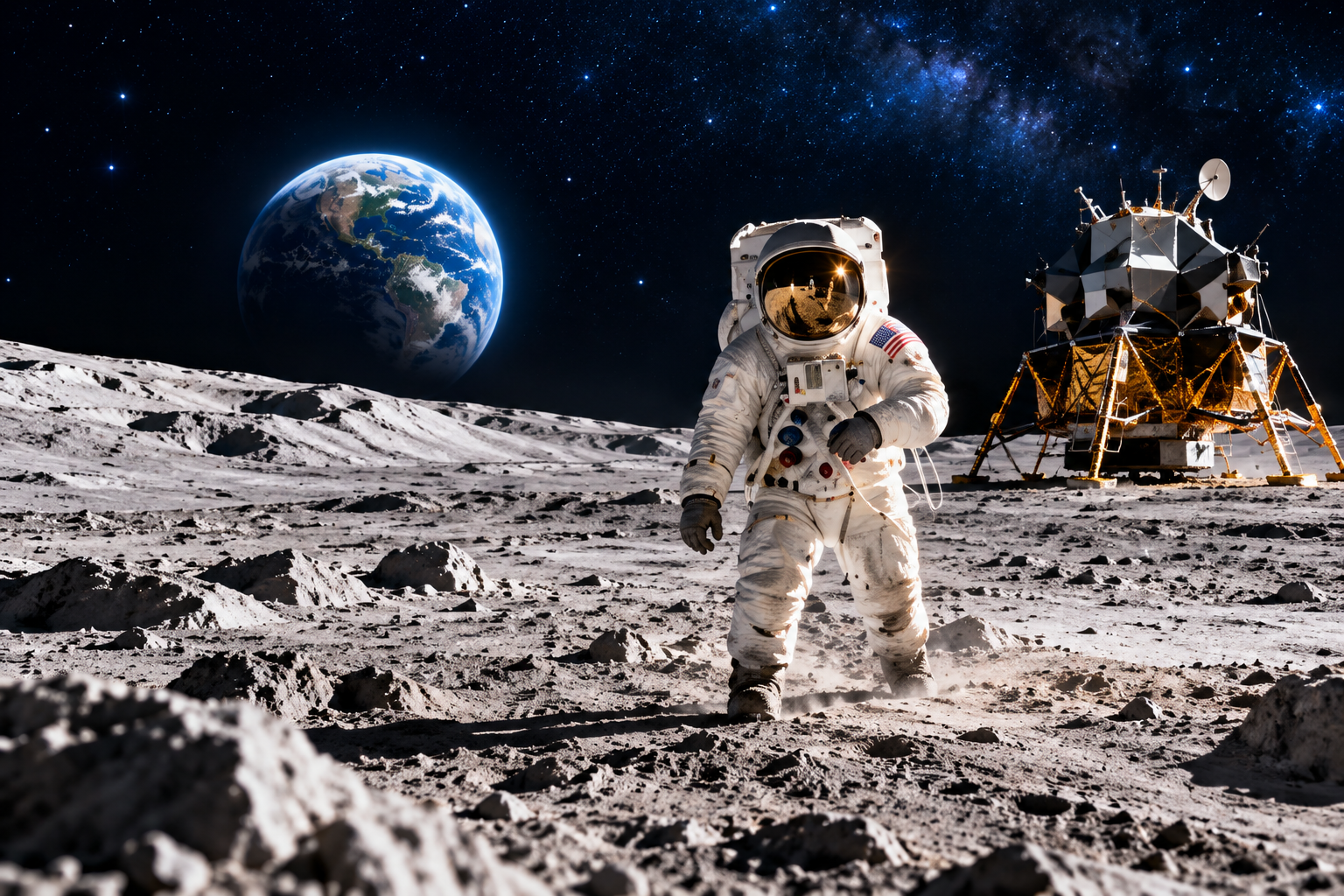
自古以來,月球始終是人類仰望星空時最熟悉、也是神秘的天體。1969 年,美國阿波羅 11 號成功登陸月球,阿姆斯壯踏上月球表面,實現了人類長久以來的登月夢想。阿波羅計畫不僅象徵太空科技的重大突破,更開啟了人類對月球的科學研究。透過採集岩石、觀察地形與進行實驗,科學家逐步揭開月球的形成與演化之謎,讓月球成為人類探索宇宙的重要起點。
For centuries, the Moon has inspired human curiosity and imagination. In 1969, Apollo 11 landed on the lunar surface, where Neil Armstrong took humanity’s first steps on the Moon. The Apollo program marked a historic technological achievement and opened a new era of scientific research. Rock samples, observations of the terrain and experiments have helped scientists investigate the Moon’s formation and evolution, making it an important starting point for exploration beyond Earth.
二、揭開月球神秘面紗Uncovering the Moon’s Mysteries
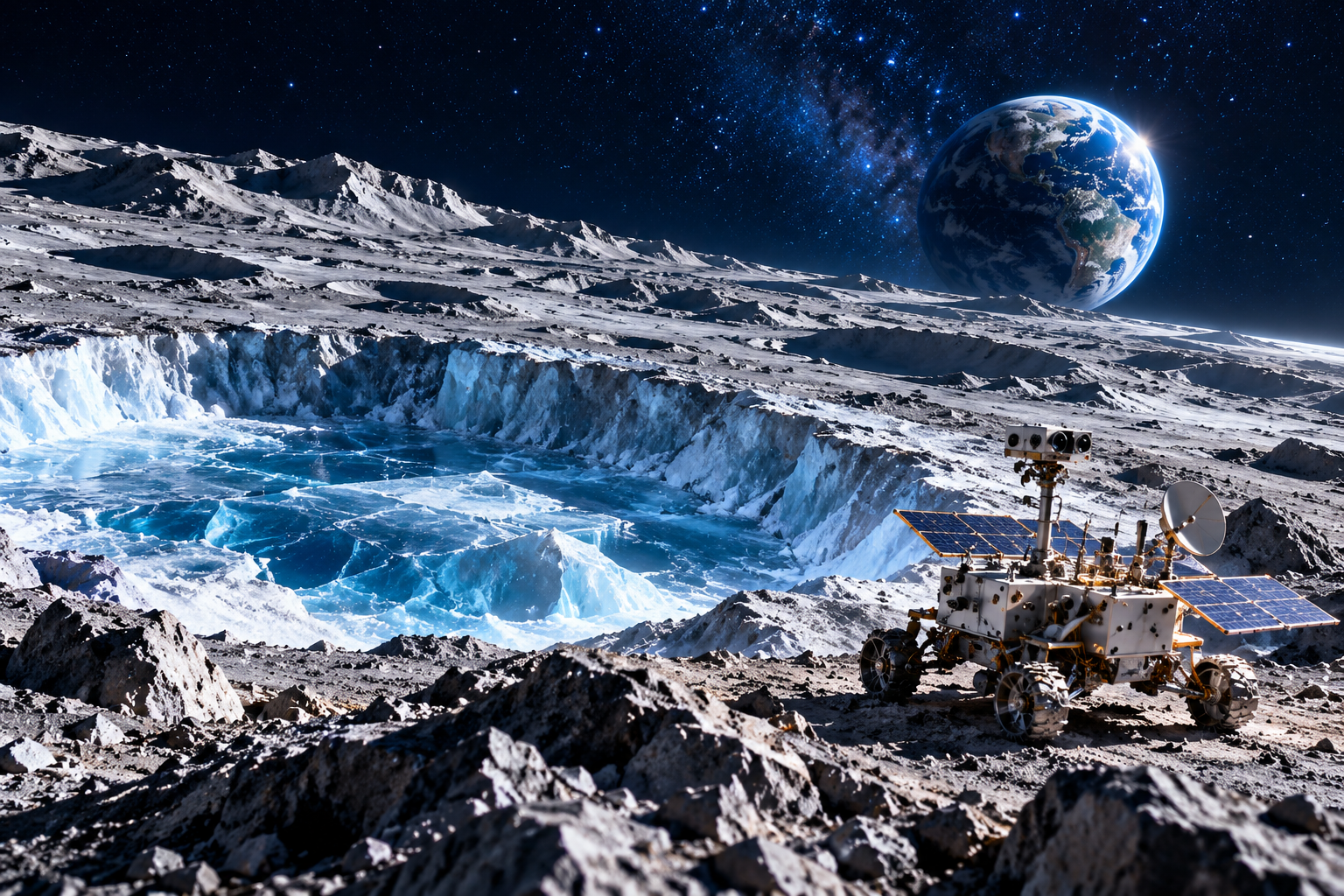
月球距離地球平均約38萬公里,表面布滿隕石坑,缺乏濃厚大氣層,晝夜溫差極大,是一個環境嚴苛卻充滿科學價值的世界。近年來,科學家利用探測衛星、登陸器與月球車,持續研究月球地形、礦物及水冰分布。尤其月球極區可能存在的水冰,被視為未來太空活動的重要資源。水不僅能維持生命,也可能分解為氫與氧,支援能源與推進系統。了解月球環境與資源,是建立長期科研基地的關鍵。
About 384,000 kilometers from Earth, the Moon is a world of impact craters, extreme temperatures and a very thin atmosphere. Orbiters, landers and rovers help scientists study its terrain, minerals and water-ice distribution. Polar water ice is of particular interest as a potential resource for future missions. Water could support life and supply hydrogen and oxygen for energy and propulsion systems. Understanding the lunar environment and its resources is essential to planning long-term research bases.
三、全球月球探索新時代A New Era of Global Lunar Exploration
隨著太空科技進步,世界各國正展開新一輪月球探索。美國 NASA 推動阿提米絲計畫,致力於重返月球並建立持續探索能力;中國透過嫦娥系列任務,持續進行月球探測、採樣與科學研究。歐洲、日本、印度與民間太空企業也積極參與相關任務。從無人探測、月球登陸到未來載人探索,月球已成為國際合作與科技競爭的重要舞台。這股新興太空浪潮,正加速推動火箭、機器人、通訊與太空運輸技術的創新。
A new era of lunar exploration is taking shape. NASA’s Artemis program aims to return humans to the Moon and develop sustained exploration capabilities, while China’s Chang’e missions advance lunar investigation, sample collection and science. Europe, Japan, India and private space companies also participate in lunar missions. From robotic exploration to future crewed landings, the Moon is a focus of international cooperation and technological competition, driving innovation in launch vehicles, robotics, communications and space transportation.
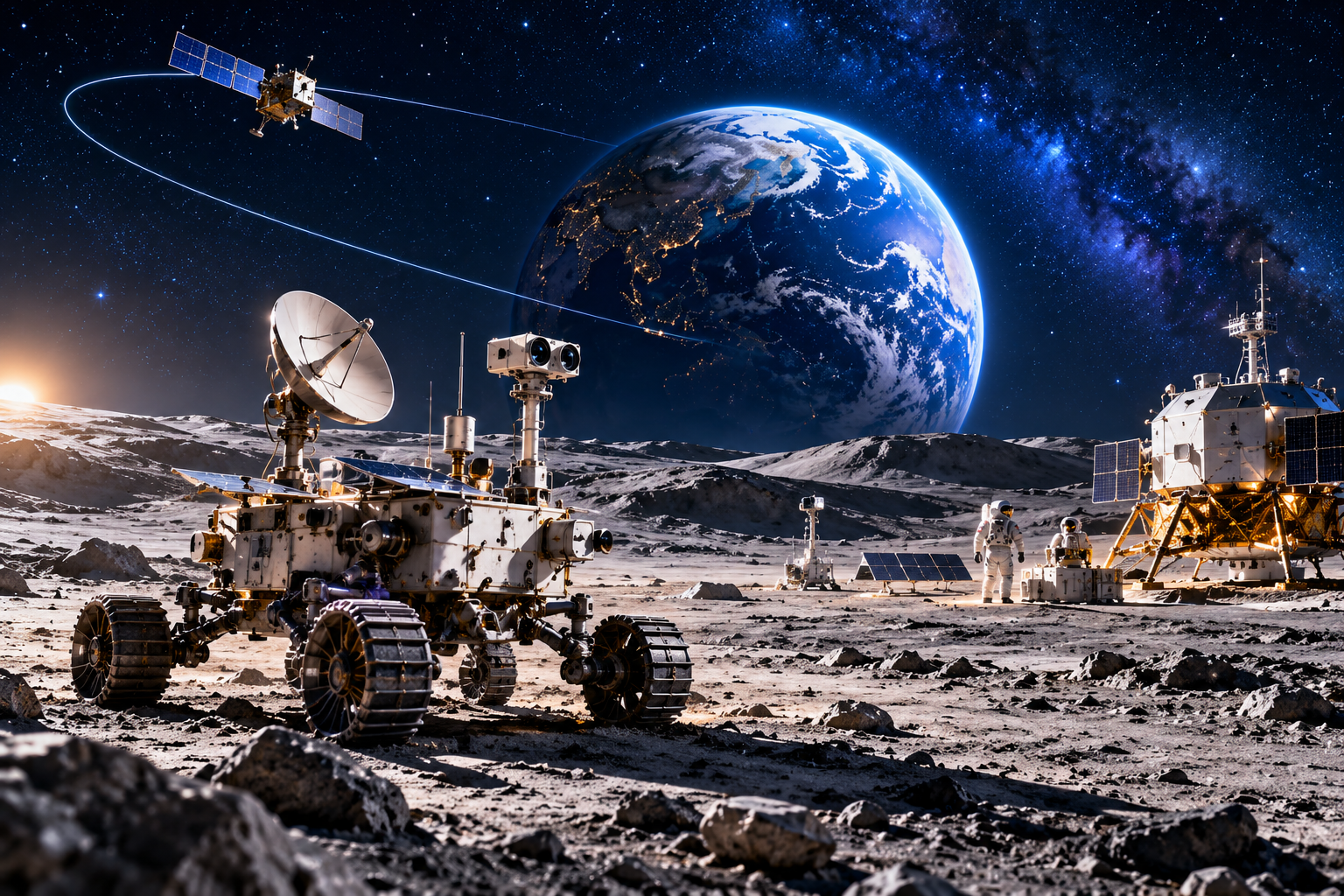
四、從月球基地走向深空未來From Lunar Bases to the Future of Deep Space
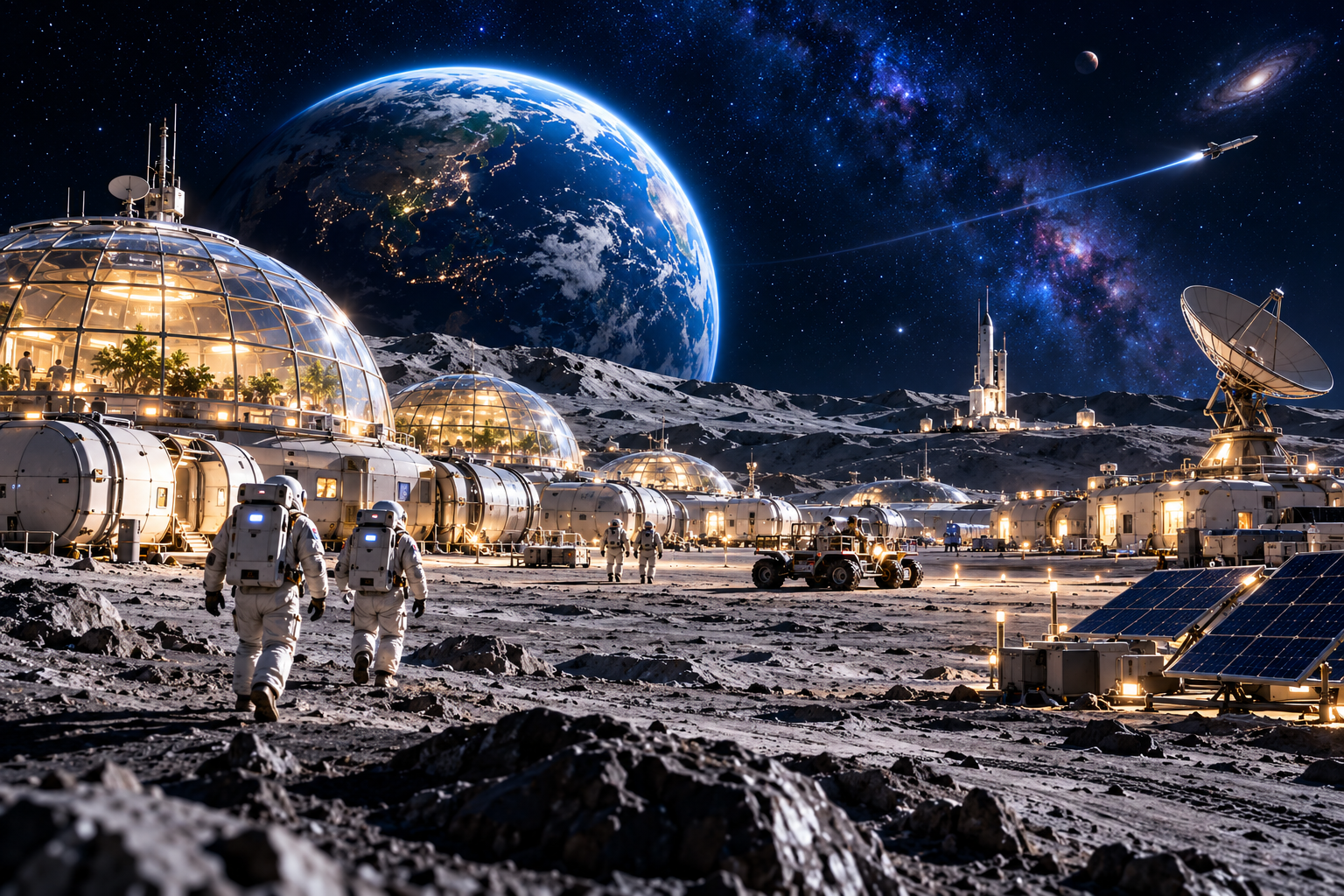
未來,人類或許不再只是短暫造訪月球,而是建立能夠長期運作的科研基地。科學家正研究月球居住設施、能源供應、資源利用,以及如何讓太空人在低重力環境下安全生活。月球也可能成為前往火星與更遙遠太空的探索據點,協助人類驗證深空旅行所需的技術。從1969年踏上月球的第一步,到未來可能建立的永久科研基地,月球探索不只是科技的進步,更展現人類勇於突破極限、持續探索未知的精神。
In the future, human visits might give way to long-term research outposts on the Moon. Scientists are studying habitats, energy supplies, resource use and ways to support safe life in low gravity. The Moon could also provide a setting to test technologies for journeys to Mars and beyond. From the first lunar footsteps in 1969 to the possibility of permanent research bases, lunar exploration reflects both technological progress and humanity’s determination to push boundaries and explore the unknown.