火星計畫Mars Program
跨越星際距離,探索人類邁向火星的未來。Crossing interplanetary distances to explore humanity's future on Mars.
從紅色星球到人類的探索夢想From the Red Planet to Humanity's Dream of Exploration
火星以鮮明而獨特的紅色與遙遠的地平線,牽動人類對未知世界的想像。這顆鄰近地球的岩質行星,擁有山脈、峽谷與塵土覆蓋的平原;稀薄的大氣與寒冷環境,則與地球截然不同。科學家透過地形、礦物與沉積岩,追索古代水流留下的線索,研究它是否曾具備適合生命存在的條件。探索火星不只是走向另一顆星球,也讓我們重新思考行星如何演變,以及地球生命所依賴的環境為何如此珍貴。
Mars, with its vivid red surface and distant horizons, inspires curiosity about unfamiliar worlds. This rocky neighbor has mountains, canyons and dusty plains, but its thin atmosphere and cold environment differ sharply from Earth. Scientists study landforms, minerals and sedimentary rocks for traces of ancient water and potentially habitable conditions. Exploring Mars also helps us understand planetary change and appreciate the conditions that sustain life on Earth.
火星探測的科學突破Scientific Breakthroughs in Mars Exploration
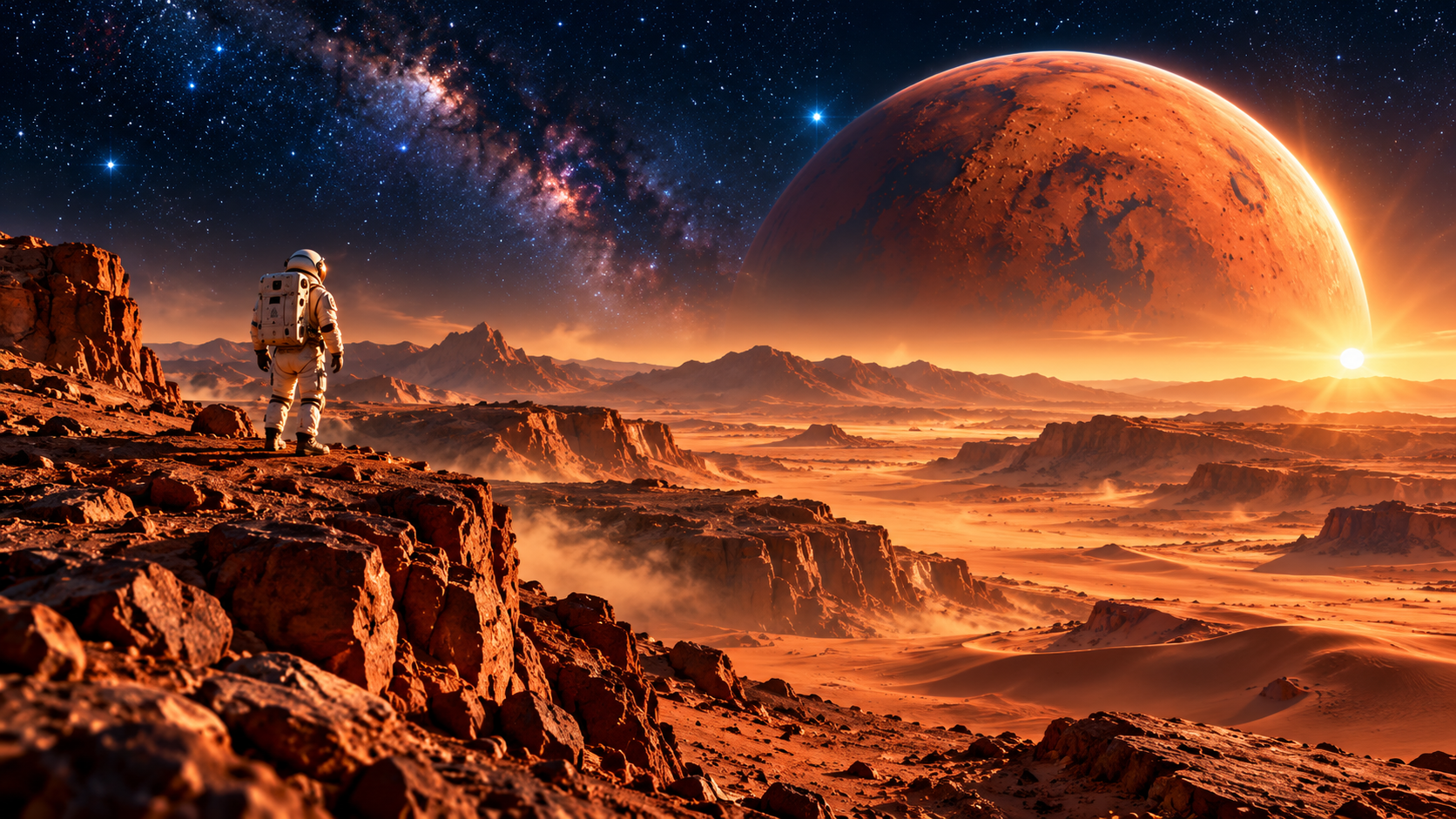
機器人任務讓火星逐漸從天空中的光點,成為可以細讀的地質世界。NASA 的好奇號分析岩石與土壤,研究古代環境的宜居性;毅力號調查古老湖泊與河流留下的沉積,並採集、封存岩芯樣本。機智號直升機完成另一顆行星上的首次動力受控飛行,展示稀薄大氣中的飛行可能。這些觀測增進我們對火星水歷史與環境變化的認識,但宜居條件與生命存在仍是不同的科學問題。
Robotic missions have transformed Mars from a distant point of light into a world whose geology we can examine. NASA’s Curiosity analyzes rocks and soil to investigate ancient habitability. Perseverance studies deposits from ancient lakes and rivers while collecting and sealing rock cores. Ingenuity achieved the first powered, controlled flight on another planet, demonstrating flight in a thin atmosphere. These observations reveal Mars’s water history and changing environments; evidence of habitability, however, is distinct from evidence of life.
載人登陸火星的挑戰The Challenges of Human Missions to Mars
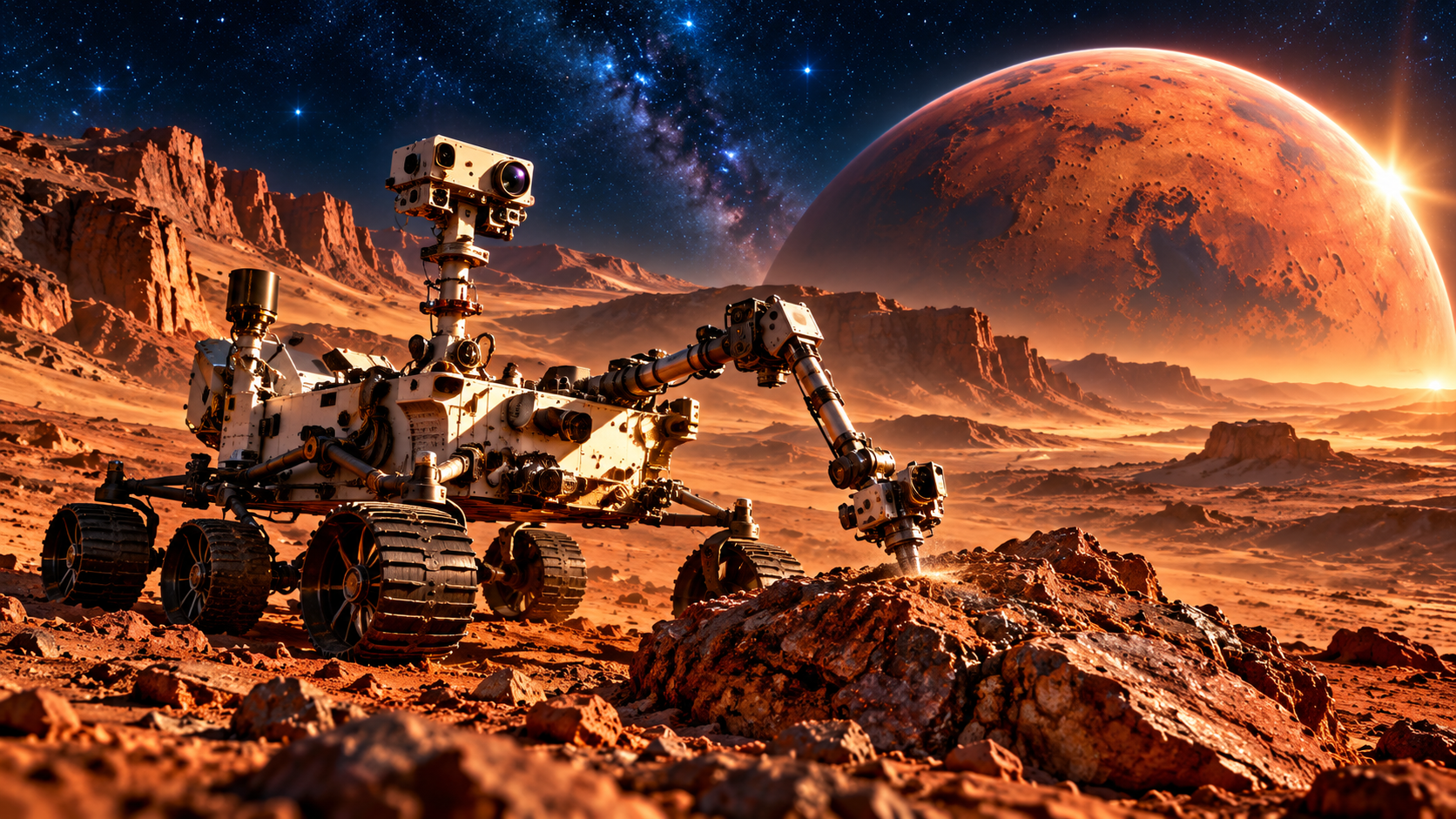
將人類安全送往火星並返回,需要跨越長途航行與複雜工程的多重考驗。太空輻射、長期失重與封閉生活,都可能影響乘員健康;通訊延遲也要求更高的自主決策能力。大型載具必須可靠地減速、降落,並具備再次升空的能力。氧氣、水、食物與能源供應則需要穩定的生命維持系統。未來任務的規劃,必須把運輸、醫療、設備維修與緊急應變一起考量,以逐步驗證取代倉促承諾。
Sending people safely to Mars and bringing them home involves long journeys and demanding engineering. Radiation, prolonged weightlessness and confinement can affect crew health, while communication delays require greater autonomy. Heavy vehicles must decelerate and land reliably, with a way to launch again. Dependable life support must provide oxygen, water and food alongside reliable energy. Future planning must integrate transport, medical care, maintenance and emergency responses, with step-by-step validation rather than premature promises.
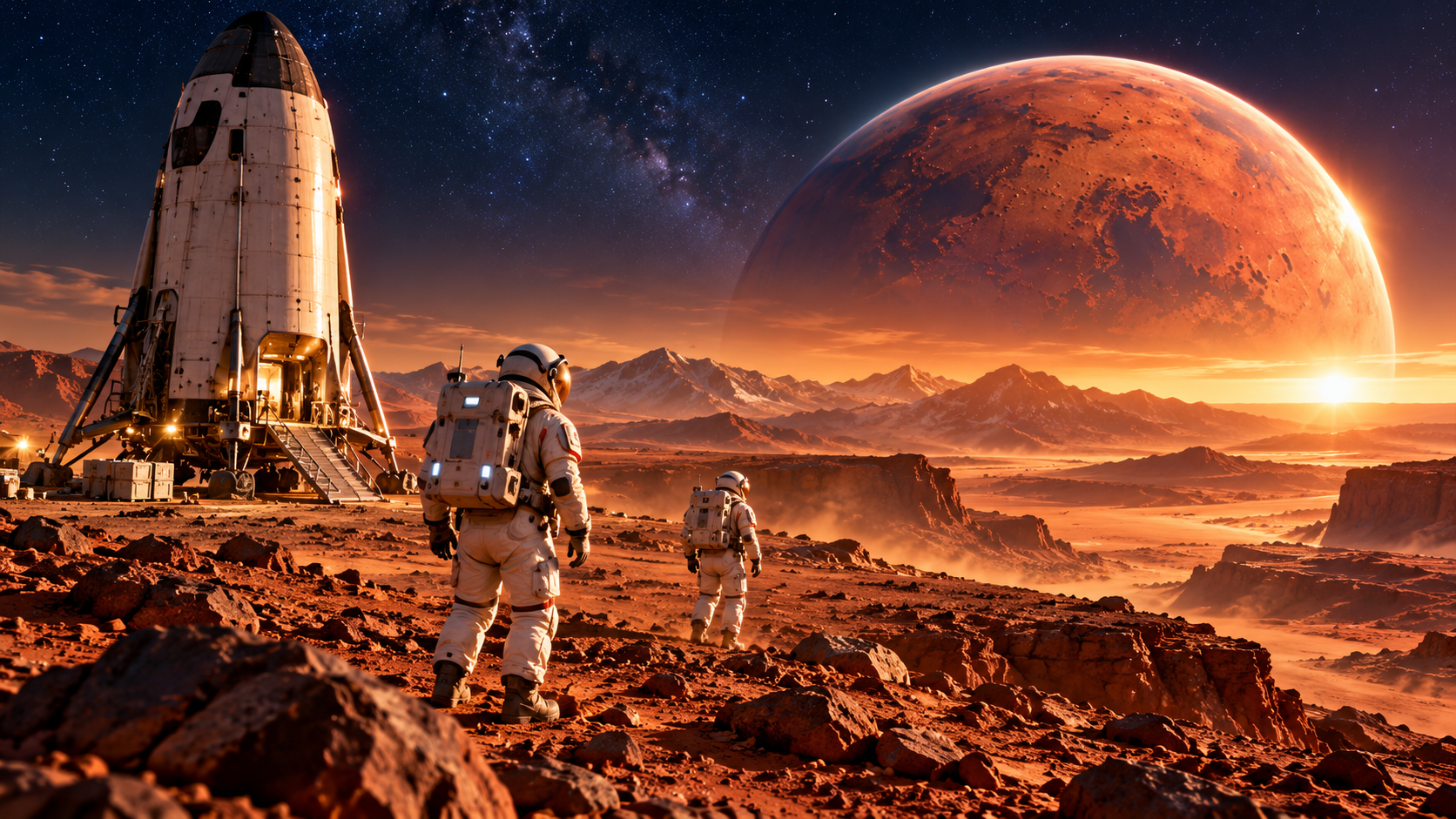
從火星基地邁向星際未來From Mars Bases to an Interplanetary Future
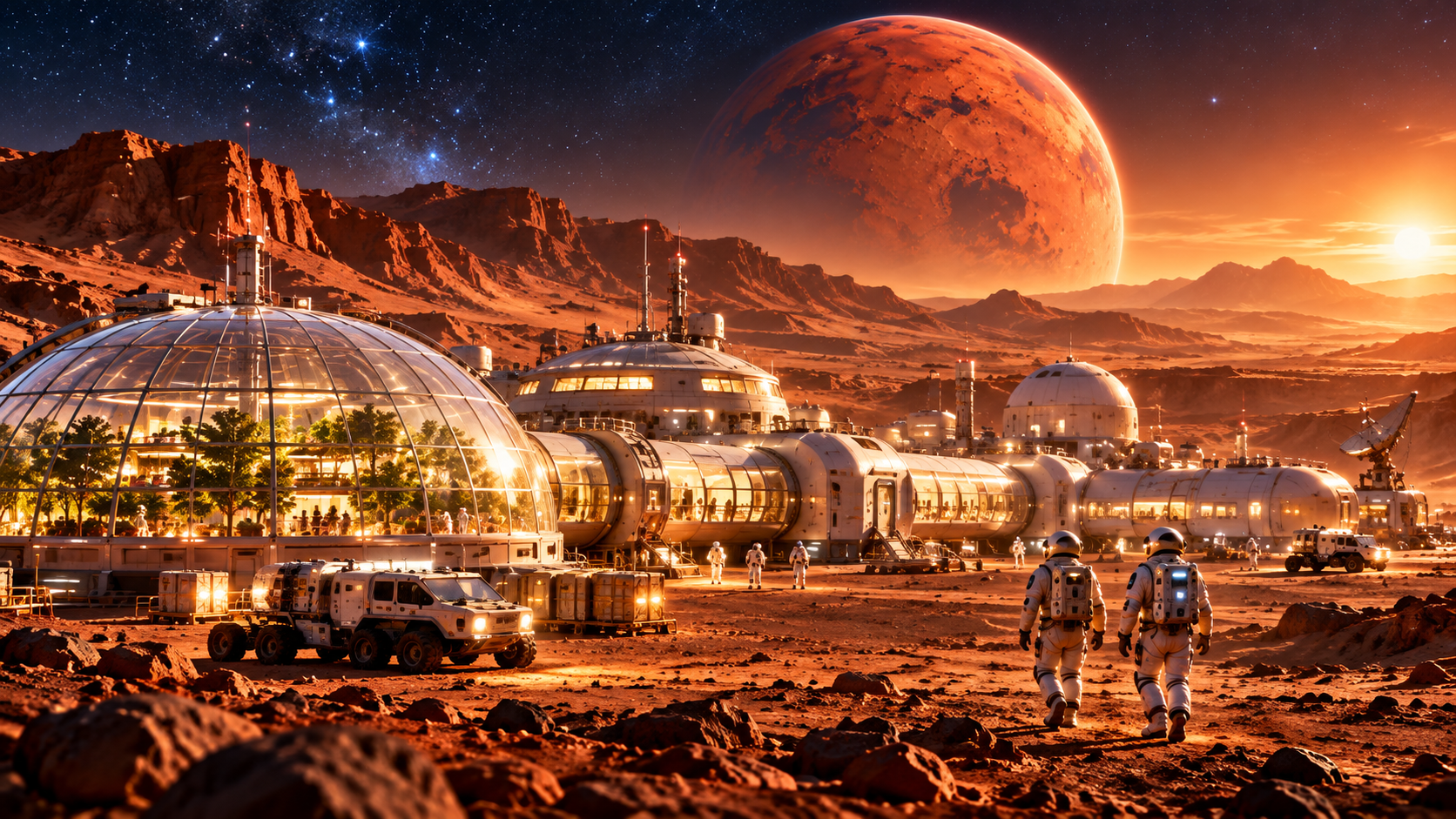
未來火星科研基地的構想,建立在安全棲居與資源循環的研究上。若能利用當地水冰、發展可靠能源,並從大氣製取氧氣,便可能減少對地球補給的依賴。NASA 的 MOXIE 已示範從火星大氣製氧,但距離支援長期載人生活仍需擴大規模與驗證。具備防護、維修與再生能力的研究棲地,是值得探索的方向;火星基地目前仍是未來願景,而非既成的人類聚落。
Future Mars research bases depend on safe habitats and resource recycling. Using local water ice, dependable energy and oxygen produced from the atmosphere could reduce reliance on supplies from Earth. NASA’s MOXIE demonstrated oxygen production from Martian air, but supporting long-term crews requires further scaling and validation. Protected, maintainable habitats with regenerative systems are a research direction; human settlements on Mars remain a future vision, not an existing reality.