太空旅行Space Travel
從夢想到現實,探索人類走向宇宙的新篇章From dream to reality, exploring humanity’s journey into the universe.
一、從夢想到現實From Dream to Reality
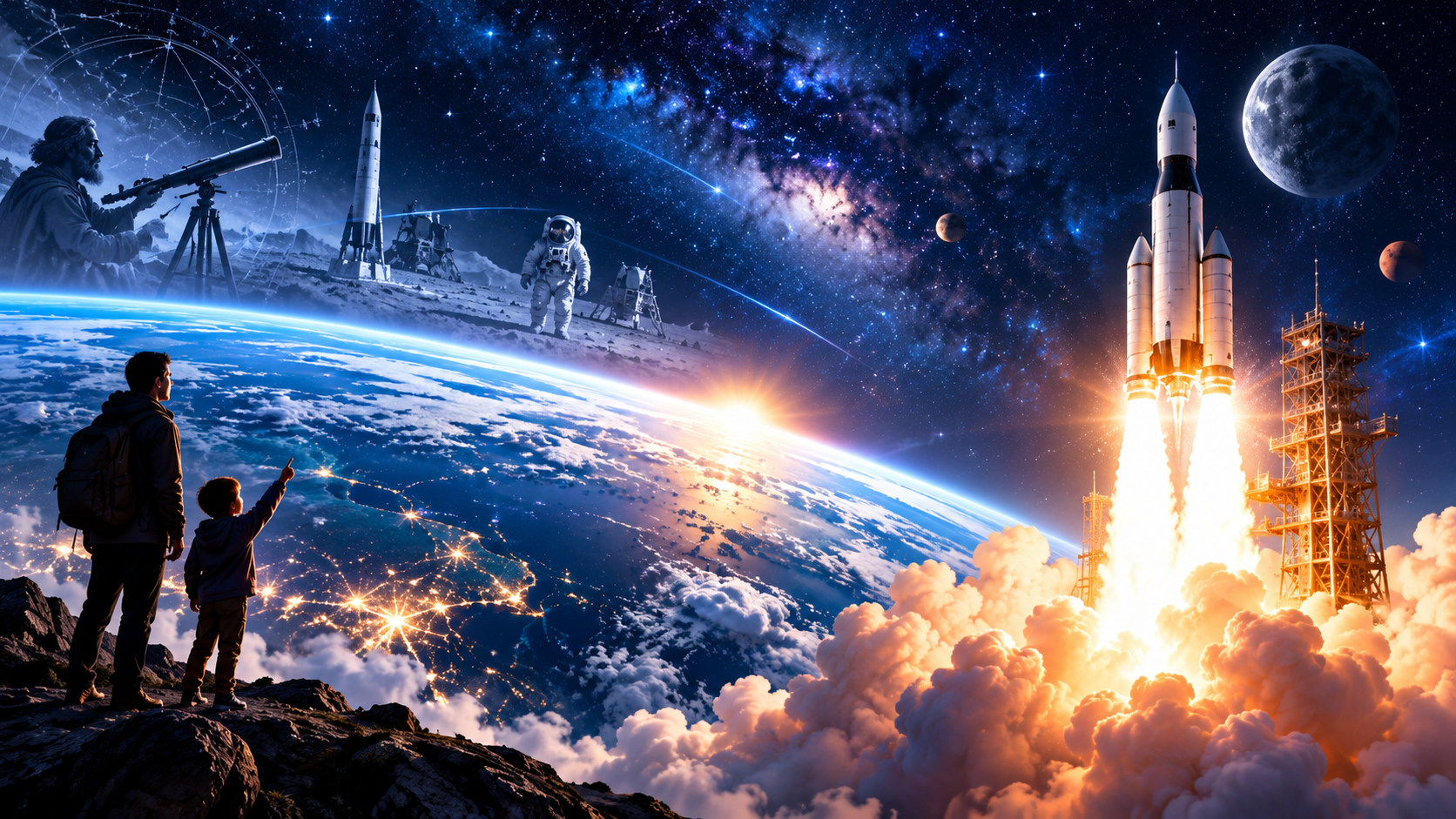
仰望星空,曾是人類認識宇宙的起點。1961 年,人類首次進入太空;1969 年,阿波羅 11 號完成首次載人登月。從科學探索到親身體驗,太空旅行延續著人類跨越地球邊界的好奇與夢想。
Looking up at the stars began humanity’s exploration of the universe. The first human spaceflight in 1961 and the Apollo 11 Moon landing in 1969 marked extraordinary steps beyond Earth. From scientific discovery to personal experience, space travel carries that same curiosity into a new chapter.
二、太空旅行的三種方式Three Types of Space Travel
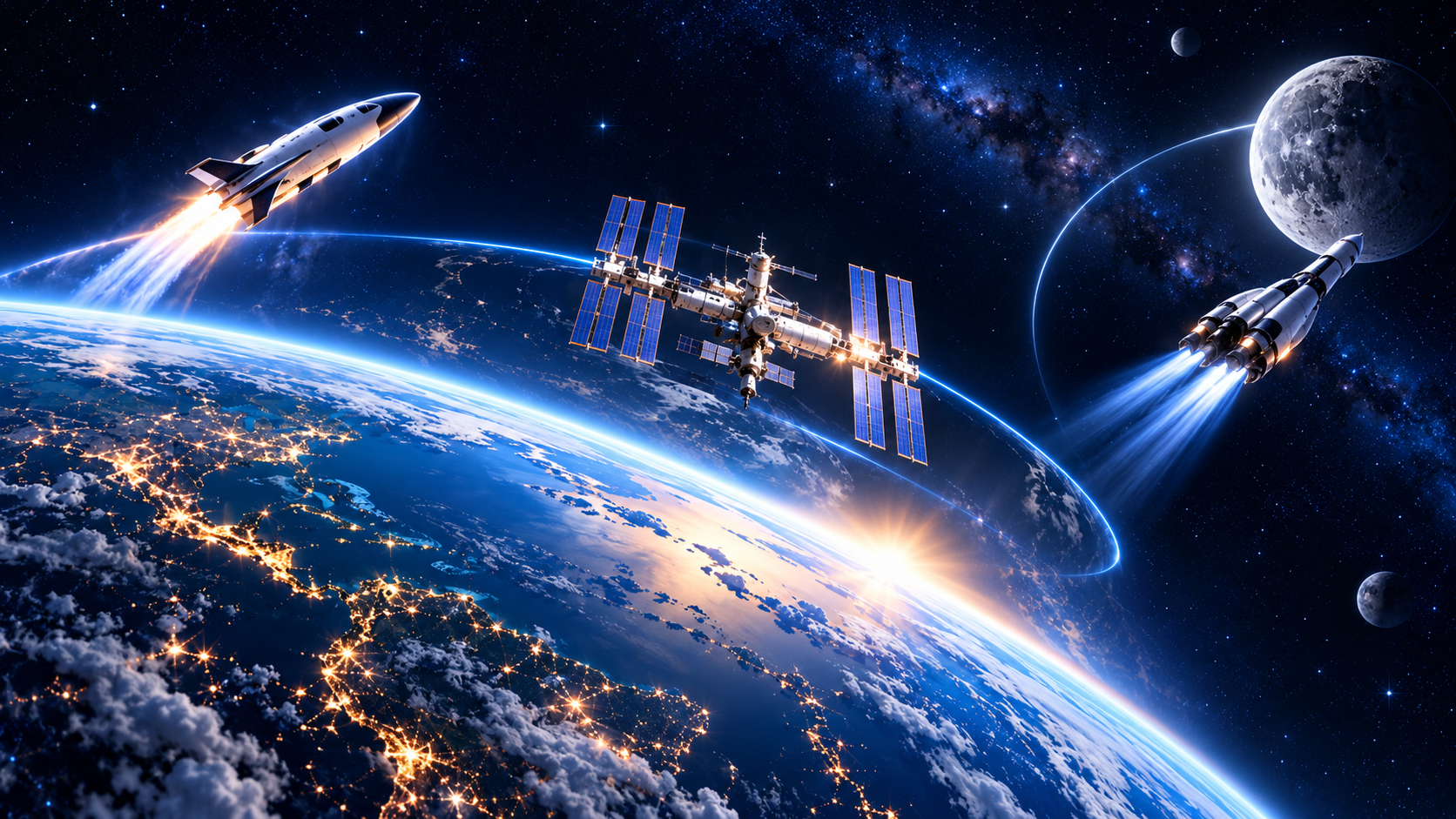
太空旅行可分為次軌道、軌道與深空旅行。次軌道飛行提供短暫的失重體驗;軌道旅行讓乘員繞行地球,並可能造訪太空站;深空旅行則以月球及更遠的目的地為探索方向。三者在任務時間、技術需求與成本上各有不同。
Space travel can be considered in three categories. Suborbital flights offer a brief experience of weightlessness. Orbital journeys circle Earth and may include a space-station visit. Deep-space travel looks toward the Moon and destinations beyond. Each involves different durations, technical demands and costs.
三、商業太空旅行的發展現況The Current State of Commercial Space Travel
商業太空旅行連結載人飛船、發射服務與乘員訓練,讓太空探索逐步拓展至不同參與者。安全驗證、任務成本、身體條件與訓練需求,都是規劃旅程時不可忽略的要素。從構想到搭乘,每一步都需要嚴謹的工程與任務準備。
Commercial space travel brings together crewed spacecraft, launch services and passenger training, opening new ways to participate in space exploration. Safety verification, mission costs, physical requirements and training remain central considerations. Turning an itinerary into a flight requires careful engineering and mission preparation.
四、太空旅行的未來展望The Future of Space Travel
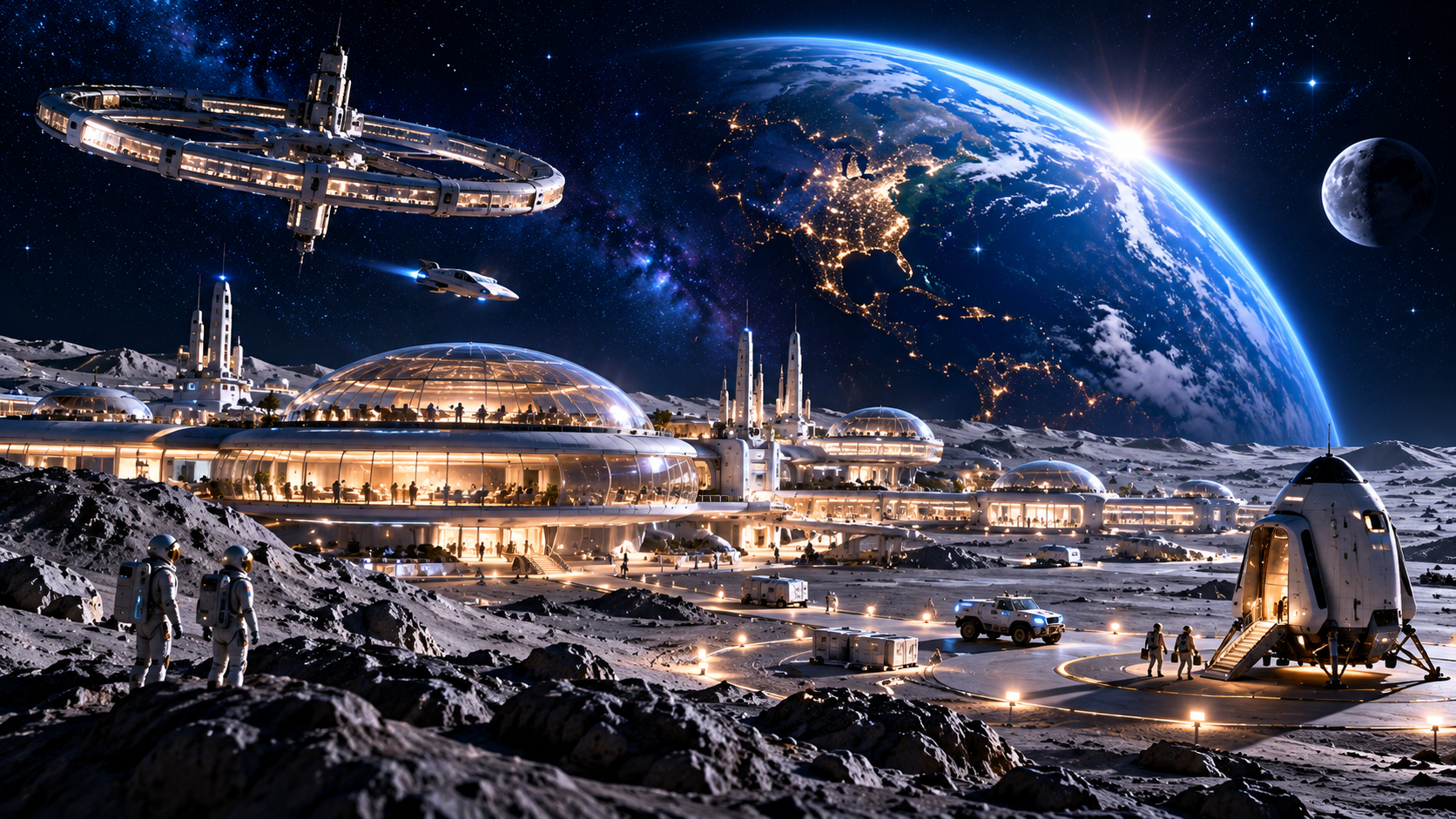
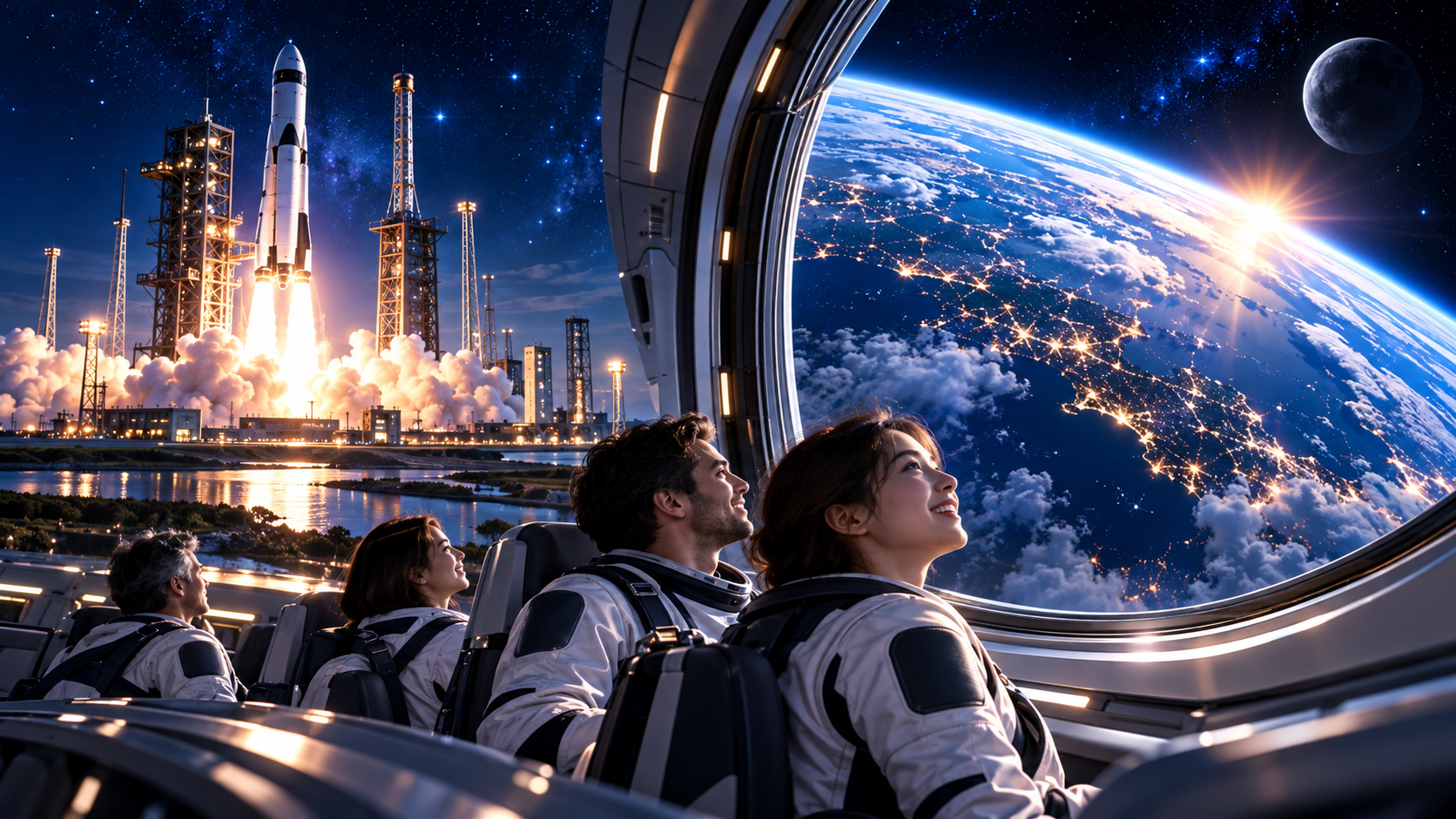
商業太空站、軌道旅宿與月球旅行,描繪出未來太空生活的想像。這些構想仍需克服運輸、生命維持、成本與安全等挑戰。太空旅行的意義,不只在於抵達更遠的地方,也在於以新的視角理解地球與人類在宇宙中的位置。
Commercial stations, orbital accommodation and lunar journeys offer a vision of future life beyond Earth. Realizing these ideas will require progress in transportation, life support, cost and safety. Space travel is also an invitation to see our home planet differently and reconsider humanity’s place in the universe.